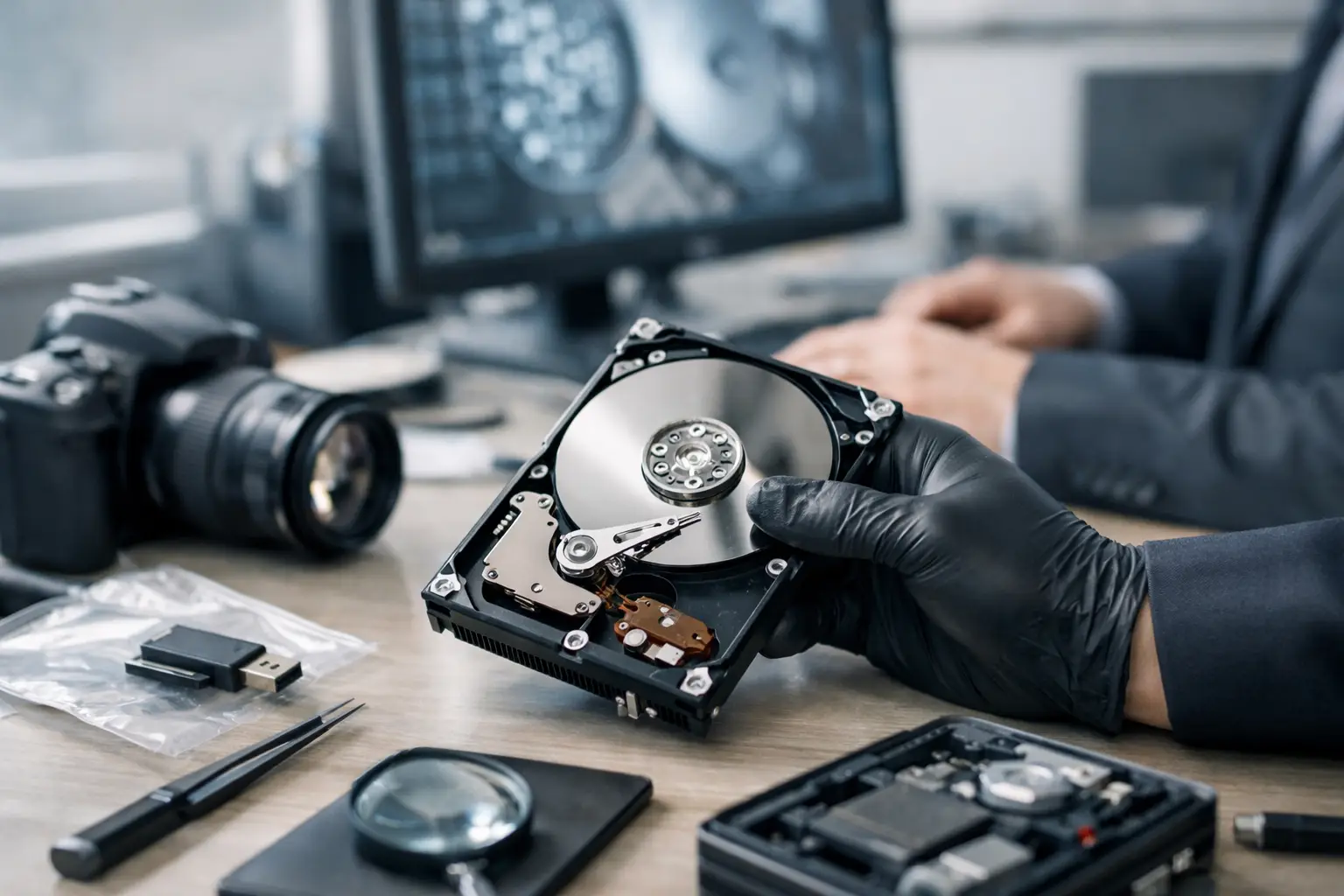
A phone is seized after an alleged fraud. A laptop is handed over in a shareholder dispute. An employee’s device is examined after suspected data theft. In each of these matters, one question appears early and often: what is a forensic image, and why does it matter so much to the evidence?
A forensic image is an exact, bit-for-bit copy of a digital storage device or logical data source, created in a way that preserves evidential integrity. It is not the same as copying visible files into a folder or backing up selected documents. A proper forensic image captures the underlying data structure of the source, which can include active files, deleted material, file system artefacts, metadata, and unallocated space, depending on the method used and the device involved.
For legal professionals and parties dealing with contested digital evidence, that distinction is decisive. A standard copy may be useful for everyday business purposes, but it is rarely enough where authenticity, completeness, and defensibility are in issue.
What Is a Forensic Image in Digital Forensics?
In digital forensics, a forensic image is created so an examiner can analyse data without altering the original device. That principle sits at the heart of good forensic practice. If the original is examined directly without proper safeguards, timestamps can change, system files can be modified, and the integrity of the evidence can be challenged.
A forensic image allows the examiner to work from a preserved duplicate while the original media remains secured. This protects the chain of custody and creates a repeatable basis for independent review. If another expert needs to validate the findings, the image can be examined again using the same or different tools.
The phrase itself can cause confusion because people often use “image” to mean a picture or screenshot. In this context, it means a forensic duplicate of data. The aim is not convenience. The aim is preservation, examination, and evidential reliability.
Why a Forensic Image Is Not Just a Backup
A backup is usually designed for restoration and business continuity. It helps a user recover documents, settings, or systems after loss or failure. It does not necessarily preserve all artefacts that may matter in an investigation, and it is not always created with evidential safeguards.
A forensic image serves a different purpose. It is created using specialist forensic methods, usually with verification through hash values, documented handling, and controlled acquisition procedures. Those steps help demonstrate that the copy matches the source at the point of capture.
That difference becomes critical in court or in internal investigations. If the issue is whether a file was deleted, whether external media was connected, when a user account was active, or whether a document was manipulated, a routine backup may not answer the question. A forensic image often can, although the answer still depends on the device, the operating system, encryption, and what data remains available.
How a Forensic Image Is Created
The process starts with preservation. The device is identified, recorded, secured, and assessed. The examiner considers what type of acquisition is possible and proportionate. A desktop hard drive, a live server, a mobile phone, and a cloud-linked account each present different technical and legal issues.
Where appropriate, a physical or full bit-stream acquisition is taken. This aims to capture all accessible sectors of the storage media, not merely user-visible files. In other cases, only a logical acquisition is possible, particularly with some modern mobile devices, encrypted environments, or restricted operating systems. A logical image can still be forensically valuable, but it is narrower in scope than a full physical capture.
Once acquired, the image is verified. This is commonly done using cryptographic hash values. If the source and the image produce the same hash at the time of acquisition and verification, that supports the proposition that the image is an exact duplicate of the captured data. The examiner then documents the method, tools, dates, times, and handling steps so the process can be explained and, if necessary, scrutinised.
What a Forensic Image Can Contain
A properly obtained forensic image may contain far more than the files a user can see by opening folders on the device. It can include deleted file remnants, filesystem records, internet history artefacts, application data, document metadata, user activity traces, and evidence of external device usage.
That does not mean every image will reveal every answer. Some data may have been overwritten. Encryption may block access. Cloud-hosted content may not be stored locally in full. Mobile applications can store data in fragmented or protected ways. The point is that a forensic image preserves the best available evidential snapshot of the source, allowing those issues to be assessed properly rather than guessed at.
This is one reason non-specialist handling can cause serious problems. Switching a device on, browsing through files, or attempting amateur recovery can alter the evidence. In a disputed matter, that can create avoidable arguments about contamination, omission, or reliability.
When Is a Forensic Image Needed?
A forensic image is commonly required where digital evidence may become part of litigation, regulatory action, disciplinary proceedings, or a criminal investigation. It is especially relevant where the data may be challenged by the opposing side.
For solicitors, this often arises in cases involving suspected employee misconduct, breach of restrictive covenants, intellectual property theft, fraud, harassment, hidden communications, or deleted material. In criminal matters, the imaging stage may be central to later questions about disclosure, attribution, or whether the examination was carried out properly. In matrimonial and private disputes, a forensic image may preserve data before devices are returned, sold, wiped, or reused.
There is also a timing issue. The value of imaging often lies in acting early. If a device continues to be used, data can change rapidly. Temporary files may be overwritten. Logs may roll over. Cloud synchronisation may alter local content. Delay does not always destroy evidence, but it can narrow what can be recovered and how confidently conclusions can be drawn.
Physical, Logical, and Targeted Imaging
Not all forensic images are the same. A physical image seeks to copy the full accessible contents of a storage medium. This can be the richest form of acquisition because it may include deleted artefacts and low-level data structures. It is often preferred where available and proportionate.
A logical image captures data at the file system or application level. It may be the only realistic route for certain mobile devices, live systems, or cloud-linked environments. It is still a forensic process if it is conducted with proper tools, verification, and documentation, but it may not expose the same depth of deleted or hidden data.
Targeted collections also have their place. If the instruction is narrow, time-sensitive, or constrained by scope, the examiner may collect specific datasets rather than the whole device. That can reduce cost and review volume, but it carries trade-offs. A targeted collection may miss context that only becomes relevant later. In contentious matters, scope should be considered carefully at the outset.
Why Admissibility Depends on Method, Not Just Data
Clients sometimes assume the key question is whether the relevant messages, files, or photographs can be recovered. That is only part of the picture. In evidential terms, the method of acquisition matters almost as much as the material itself.
If the data was captured without proper preservation, without documented chain of custody, or without a defensible explanation of the tools and process used, the findings may carry less weight. That does not automatically make them useless, but it creates room for challenge. Opposing experts and counsel will often focus closely on whether the evidence was handled in a way that protects authenticity and minimises contamination.
This is where an experienced forensic examiner adds value beyond technical extraction. The work must be transparent, proportionate, and capable of explanation to the court. At Computer Forensics Lab, that means approaching imaging not as a routine IT task but as an evidential procedure with legal consequences.
What Clients Should Do if Imaging May Be Required
If digital evidence is likely to become contentious, the safest course is usually to preserve the device and obtain specialist advice before anyone interacts with it further. Well-meaning internal staff can compromise a device simply by trying to inspect it. Equally, immediate seizure without thought to business continuity, privacy, or legal privilege can create different problems.
The right approach depends on the case. A corporate investigation may require urgent containment and discreet collection. A litigation matter may require a narrowly defined protocol. A criminal defence instruction may focus on independent review of an existing image rather than creating a fresh one. There is no single formula, which is why early scoping matters.
A forensic image is valuable because it gives the investigation a stable foundation. It preserves what was present at the time of capture, supports repeatable analysis, and helps keep the evidence fit for scrutiny. When the facts are disputed and the stakes are high, that foundation is often what separates assumption from proof.
If you are dealing with a device that may hold relevant evidence, treat it as evidence from the start. The sooner the data is preserved properly, the stronger your position is likely to be when the questions become harder.