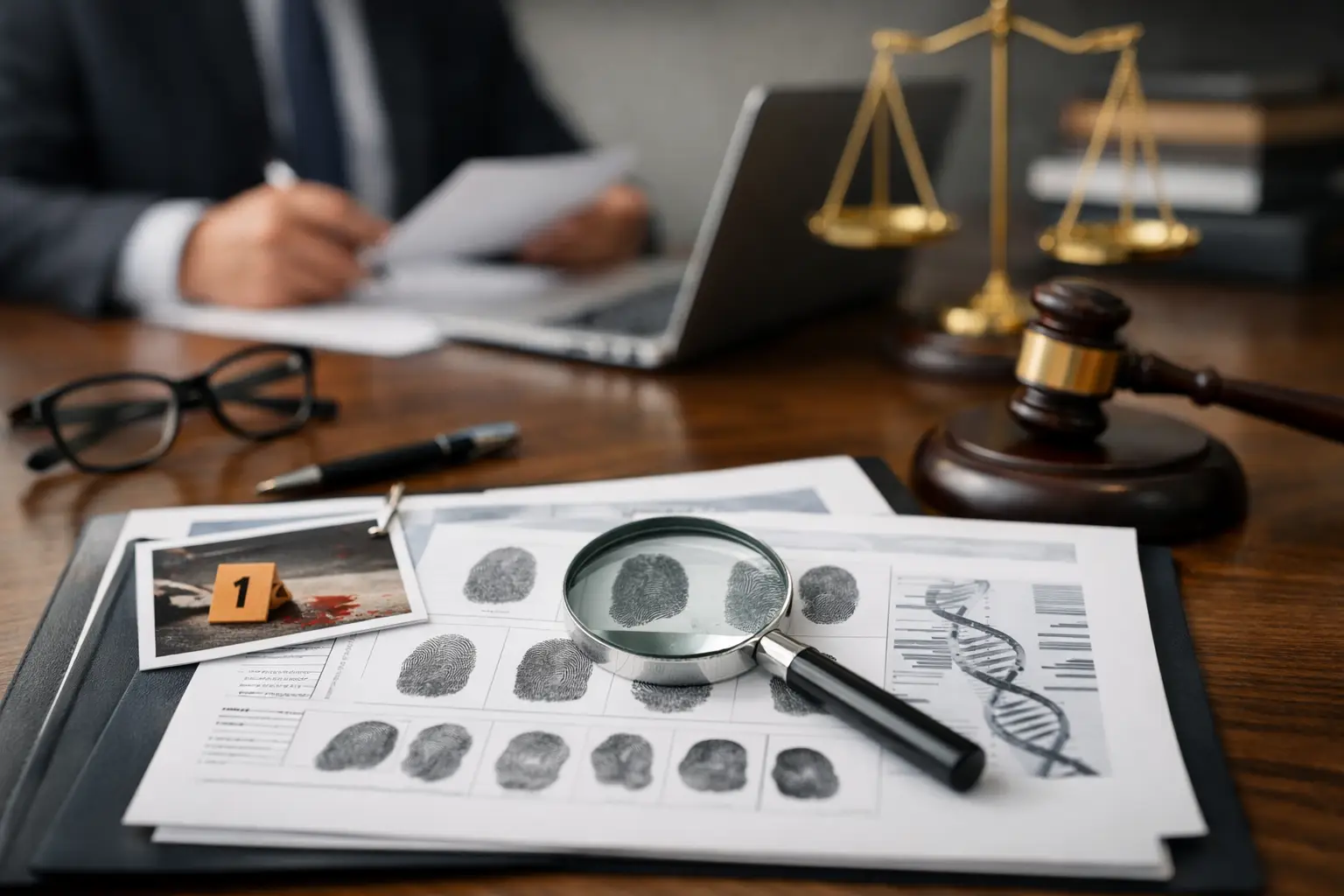
A digital device can contain the decisive evidence in a dispute, but only if the instruction is precise enough to preserve, recover and explain it properly. This forensic report instruction guide is for solicitors, investigators and organisations that need an independent digital forensic expert to produce findings capable of withstanding legal scrutiny.
The quality of an expert report is shaped long before examination begins. A vague request to “check the phone” or “look for deleted messages” may create avoidable delay, unnecessary cost and a report that does not answer the issues in dispute. A disciplined instruction allows the examiner to protect evidential integrity while directing effort towards the facts that matter.
What a forensic report instruction guide must achieve
An effective instruction establishes three things: the legal or investigative question, the evidence available, and the boundaries of the proposed examination. It should give the expert enough context to understand why a particular artefact matters without asking them to advocate for a preferred outcome.
That distinction is central. A forensic expert’s duty is to provide objective, transparent opinion based on the material examined. The instruction should therefore frame issues neutrally. Rather than stating that an employee “stole confidential files”, ask whether files matching identified names or categories were accessed, copied, transferred, deleted or sent outside the organisation during a defined period.
For civil proceedings, the scope should also be consistent with the issues likely to require expert evidence and the applicable procedural requirements, including the expert’s overriding duty to the court. In criminal matters, the instruction should identify the prosecution or defence issue being addressed, any disclosure context, and whether the findings may need to be explained in a statement or through oral evidence.
Start with the question the evidence must answer
The most useful instructions begin with a short case background followed by clear questions. Background should identify the parties, the nature of the dispute, key dates and the relevance of the device or account. It need not disclose every allegation or document in the case. It must provide sufficient context for the examiner to make proportionate and technically sound decisions.
Questions should be specific, testable and time-bounded where possible. For example, an instruction might ask whether a named iPhone contains communications between two individuals from January to March; whether a laptop was used to connect removable media on a particular date; or whether a document was created, modified or transmitted from a company account.
Avoid instructing an examiner to prove a conclusion. Digital evidence is often capable of more than one interpretation. A login record may show account activity, but not necessarily who was physically at the keyboard. A deleted file may be recoverable, partly overwritten or absent because it was never stored on the device. The report should distinguish fact, inference and limitation at every stage.
Define the relevant date range
Date ranges affect both cost and evidential value. A three-year review of a mobile telephone may be justified in a long-running matrimonial dispute or fraud investigation, but it is rarely proportionate where the alleged conduct concerns a single weekend.
Provide the known dates of incident, employment, contact, account compromise or device possession. If the exact period is uncertain, explain why. The forensic expert can then advise whether a wider examination is justified and whether metadata, system logs or cloud-synchronised data may assist in narrowing the timeline.
Identify every evidential source and its present condition
A report can only be as reliable as the material received and the manner in which it has been handled. The instruction should identify each device, storage medium, account export, screenshot, backup or data set available for examination. Include make and model where known, serial number or IMEI where recorded, operating system, owner or user, and the location from which it was obtained.
Just as important is the device’s condition. State whether it is powered on, locked, damaged, encrypted, remotely managed, connected to a network, or at risk of remote wipe. Mention any known passcodes, recovery keys, PINs, biometric access arrangements or account credentials, but arrange their transfer securely and separately from general case papers.
Screenshots and message printouts may help define the issue, but they are not substitutes for original evidence. They may omit surrounding context, system metadata and information needed to establish authenticity. Where the original handset, computer or storage media remains available, preserve it before relying on a screenshot alone.
Protect chain of custody before analysis begins
Chain of custody is not an administrative detail. It records who had the evidence, when it was transferred, how it was stored and what was done to it. Gaps do not automatically make evidence unusable, but they create questions that may later require explanation.
The instruction should record how each item came into possession, who handled it, whether it has been powered on or accessed, and whether any attempt has been made to search, repair, reset or recover data. If a client has already reviewed messages, copied files or tried data-recovery software, tell the expert. Concealing prior activity can impair interpretation and risk later criticism.
Where possible, preserve original devices in a secure state and arrange collection or delivery using a documented process. Do not repeatedly unlock a device, browse its contents, install applications or connect it to a computer merely to see what is there. On a live system, even routine activity can alter logs, timestamps and volatile data.
State the proposed scope – and what is out of scope
Digital examinations can expand quickly. A telephone may contain years of communications, photographs, location records, application data and cloud-linked material. A business laptop may contain personal data belonging to employees, customers or third parties. Proportionate scope is therefore essential.
Specify the data types that are relevant: communications, call records, photographs, browser activity, USB history, document metadata, cloud storage, deleted material, location information or security logs. Identify key names, telephone numbers, email addresses, domains, search terms, filenames and file types. These details allow targeted searches and make the process more efficient.
Equally, identify restrictions. In employment and commercial investigations, legal professional privilege, personal material and third-party confidential data may require filtering or an agreed review protocol. In family matters, a broad request to inspect a former partner’s phone can raise serious privacy and proportionality concerns. The appropriate scope depends on the pleaded issues, authority for access and the likely evidential return.
If there is a dispute about scope, ask the expert for a staged approach. An initial triage or preservation exercise can establish what data exists before the parties incur the cost of a full examination. This is often preferable to a wide search that produces substantial irrelevant material.
Give the expert the documents needed to interpret the data
A digital artefact rarely explains itself. Supply the relevant pleadings, witness statements, chronology, disclosure list, police schedules, employment policies, incident reports or correspondence that frame the issue. The expert does not need every document in the file, but should receive material necessary to understand names, dates, devices and competing accounts.
Where a party relies on a disputed screenshot, export or chat transcript, provide the original available version and explain its source. Where there is an allegation of hacking or account compromise, provide incident timelines, affected email addresses, IP address information, authentication logs and details of any containment steps. If an internal IT team has undertaken work, retain their notes and explain precisely what they did.
It may also be necessary to disclose potentially adverse material to the expert. An independent opinion cannot be reliably formed from a curated selection of facts. A report that appears to have ignored relevant contrary evidence is vulnerable to challenge.
Agree the deliverable before work starts
State whether you require a preliminary view, a factual forensic report, an expert opinion report, a disclosure schedule, a witness statement, attendance at a conference or expert witness support. These are different deliverables and should not be treated as interchangeable.
A court-ready report should ordinarily set out the instructions received, material examined, methodology, findings, basis for any opinion, limitations and relevant exhibits. It should also make clear where data could not be recovered, where timestamps require qualification, and where alternative explanations remain possible. Peer review can provide an additional safeguard in complex or high-stakes cases.
Discuss timescales candidly. Urgent preservation may be needed within hours, particularly where cloud content, volatile logs or a live compromise is involved. Full extraction, review and reporting may take longer, especially where encryption, damage, high data volumes or multiple devices are involved. A rushed report that omits method or limitation may create greater difficulty than a properly scoped phased examination.
A practical instruction checklist
Before sending instructions, ensure you can provide the case reference and contacts, a neutral summary of the issues, specific questions for the expert, key dates, a list of evidence sources, known access information, chain-of-custody details, relevant case documents, desired deliverables and any court or internal deadlines.
Also identify whether consent, a court order, organisational authority or another lawful basis supports access to each device and account. The expert can explain the technical process, but legal authority for obtaining and reviewing data must be addressed by those instructing the work.
A well-drafted instruction does not predetermine the evidence. It gives the examiner a defensible route to uncover it. Where the consequences of getting it wrong are serious, early contact with a specialist forensic team can preserve options that may disappear once a device is altered, reset or remotely changed.