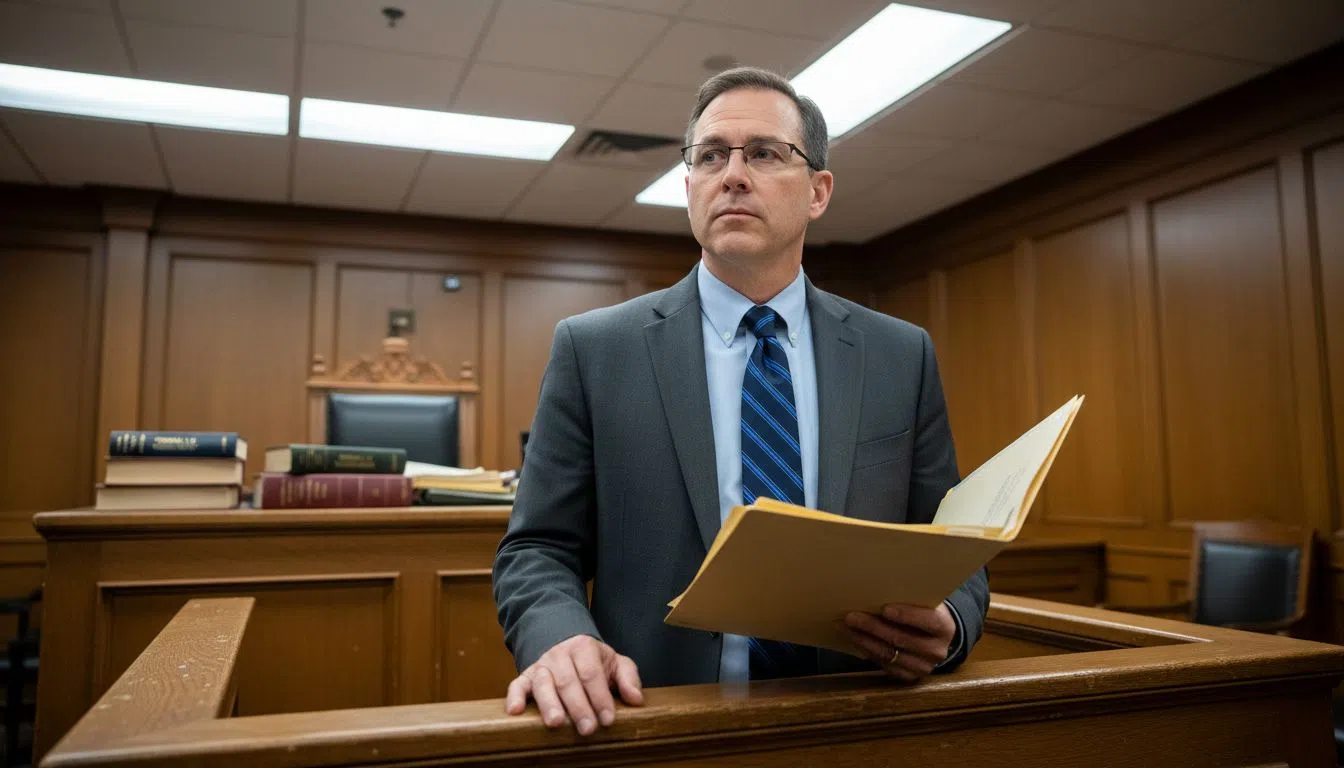
UK legal cases increasingly rely on forensic expert witnesses to clarify complex digital evidence for judges and juries. A surprising 90 percent of United Kingdom court decisions involving digital forensics reference expert testimony as a pivotal factor. Whether you are a solicitor, barrister, or technical specialist, understanding the responsibilities and required skills of a forensic expert witness ensures your case stands on solid ground. Learn what it takes to navigate the intersection of law, science, and communication in British digital forensics.
Table of Contents
- Understand The Role Of A Forensic Expert Witness
- Ensure Proper Evidence Handling And Chain Of Custody
- Prepare Detailed And Clear Expert Reports
- Maintain Impartiality And Objectivity At All Times
- Communicate Complex Technical Evidence Simply
- Prepare Thoroughly For Court Testimony
- Stay Updated With Latest Forensic Techniques
Quick Summary
| Takeaway | Explanation |
|---|---|
| 1. Document Evidence Thoroughly | Maintain comprehensive logs to ensure evidence integrity and admissibility in court. |
| 2. Communicate Clearly and Simply | Translate complex technical findings into plain language for judges and juries. |
| 3. Maintain Impartiality at All Times | Commit to objectivity, prioritising scientific truth over legal outcomes in analyses. |
| 4. Prepare Rigorously for Court | Anticipate questions and rehearse testimony to enhance clarity and confidence during proceedings. |
| 5. Stay Updated with Forensic Techniques | Engage in continuous learning to keep abreast of emerging technologies and methodologies in digital forensics. |
1. Understand the Role of a Forensic Expert Witness
A forensic expert witness is a highly specialised professional who provides critical technical testimony in legal proceedings, bridging the gap between complex scientific evidence and judicial understanding. These professionals play a pivotal role in helping courts comprehend specialised technical information that falls outside typical legal expertise.
In digital forensics, an expert witness must demonstrate extensive knowledge and credibility when presenting technical findings. Their primary responsibility involves explaining intricate technical details within legal frameworks, translating complex digital evidence into clear, comprehensible language for judges and juries.
The legal system relies on these professionals to offer objective, impartial opinions grounded in scientific methodology. Unlike other witnesses who recount facts, forensic expert witnesses can interpret technical evidence, analyse digital artefacts, and provide professional assessments that help courts make informed decisions.
When presenting testimony, forensic expert witnesses must adhere to strict ethical standards. This means providing opinions strictly within their professional competence and maintaining absolute objectivity. Their credibility hinges on their ability to communicate technical findings transparently and professionally, without bias or unsubstantiated claims.
The role demands not just technical expertise, but also exceptional communication skills. Expert witnesses must transform complex technical jargon into accessible explanations that judges, lawyers, and juries can understand. This requires a delicate balance of scientific precision and clear, straightforward language.
To be effective, forensic expert witnesses must prepare meticulously. This involves thoroughly documenting their findings, maintaining comprehensive research notes, and anticipating potential cross examination questions. Their written reports and verbal testimony must withstand rigorous legal scrutiny.
Pro tip: Always maintain comprehensive, detailed documentation of your forensic analysis, ensuring each step of your investigation can be transparently explained and verified in a legal setting.
2. Ensure Proper Evidence Handling and Chain of Custody
Maintaining the integrity of digital evidence is a critical responsibility for forensic expert witnesses, directly impacting the admissibility and credibility of technical findings in legal proceedings. Proper evidence handling and chain of custody are paramount to preserving the reliability of digital investigations.
The chain of custody represents a comprehensive documentation process that tracks every interaction with digital evidence from initial collection through analysis and presentation in court. Meticulous documentation is essential for demonstrating the uncompromised nature of digital artefacts.
Every digital forensic expert must implement rigorous protocols to protect evidence integrity. This involves creating detailed logs that record precise timestamps, identifying each individual who handled the evidence, documenting the purpose of each interaction, and ensuring a clear, unbroken trail of custody.
Key steps in maintaining a robust chain of custody include securing original digital media immediately upon collection, creating forensically sound bit exact copies, using write blockers to prevent accidental data modification, and storing evidence in sealed, tamper evident containers. Each piece of digital evidence must be catalogued with unique identifiers and tracked through comprehensive documentation.
Professional digital forensic experts understand that courts scrutinise every aspect of evidence collection. Inconsistent or incomplete documentation can render even the most compelling technical findings inadmissible. This means maintaining pristine records that demonstrate no opportunity for evidence tampering or uncontrolled access.
Courts require transparent, verifiable processes that prove the authenticity and integrity of digital evidence. This demands not just technical expertise, but meticulous attention to administrative details that validate the forensic investigation’s credibility.
Pro tip: Always create multiple independent forensic images of digital evidence immediately upon collection, storing them in separate secure locations to provide redundancy and protect against potential data loss.
3. Prepare Detailed and Clear Expert Reports
The expert witness report represents the cornerstone of scientific testimony, serving as a critical document that transforms complex technical findings into comprehensible legal evidence. These reports must communicate intricate digital forensic information with absolute clarity and precision.
Comprehensive expert reports require meticulous documentation of methodologies, findings, and conclusive interpretations that enable legal professionals to understand technical nuances without specialised technical knowledge.
A well constructed expert report follows a structured approach that demonstrates scientific rigour and professional credibility. This involves creating a document that not only presents findings but also explains the underlying processes, analytical techniques, and reasoning behind each conclusion.
Key components of an exceptional expert report include a detailed introduction explaining the scope of investigation, comprehensive methodology descriptions, systematic presentation of digital evidence, clear technical interpretations, and robust conclusions supported by empirical data. Each section must be written in plain language that judges, lawyers, and juries can comprehend.
Digital forensic experts must anticipate potential challenges to their report by providing transparent explanations of technical procedures. This means describing forensic tools used, validation processes, potential limitations of the analysis, and addressing any potential alternative interpretations of the evidence.
The report should maintain a neutral, objective tone that prioritises scientific accuracy over advocacy. While presenting findings favourable to the requesting party, the expert witness must demonstrate impartiality and commitment to scientific truth above legal outcomes.
Effective reports also include visual representations such as screenshots, diagrams, or charts that help illustrate complex technical findings. These visual elements can transform abstract digital evidence into more accessible and comprehensible information.
Pro tip: Draft your expert report as if it will be scrutinised by a technically sophisticated audience, ensuring every statement can withstand rigorous cross examination and scientific peer review.
4. Maintain Impartiality and Objectivity at All Times
The cornerstone of an expert witness’s professional reputation is unwavering impartiality, which demands absolute commitment to scientific truth regardless of legal outcomes. A forensic expert must approach every investigation with complete neutrality and rigorous scientific methodology.
Ethical obligations require expert witnesses to provide opinions strictly within their professional competence, ensuring that personal biases never compromise the integrity of their technical analysis.
Impartiality is not merely a professional recommendation it is a fundamental requirement that underpins the entire judicial process. Digital forensic experts must consistently demonstrate scientific objectivity, presenting findings based on empirical evidence rather than predetermined expectations or external pressures.
This commitment to objectivity means acknowledging potential limitations in your analysis, presenting alternative interpretations of evidence, and being prepared to modify your conclusions if new information emerges. An expert witness who demonstrates intellectual honesty builds far greater credibility than one who appears inflexible or defensive.
Practical strategies for maintaining objectivity include documenting all investigative steps, using standardised forensic methodologies, preserving original evidence, and providing comprehensive explanations of analytical processes. Every conclusion must be traceable, verifiable, and based on reproducible scientific techniques.
Courts expect expert witnesses to function as neutral technical advisors, not advocates for any particular legal outcome. This requires a delicate balance of professional expertise and judicial detachment. Your role is to illuminate technical complexities, not to influence the verdict.
Successful forensic expert witnesses understand that their primary allegiance is to scientific truth. They must be willing to present findings that might potentially undermine the interests of the party that engaged them, prioritising professional integrity over potential future opportunities.
Pro tip: Develop a personal ethical framework that places scientific objectivity above all other considerations, and consistently reflect on your own potential biases before presenting expert testimony.
5. Communicate Complex Technical Evidence Simply
Translating intricate digital forensic evidence into comprehensible language represents a critical skill for expert witnesses, bridging the gap between technical complexity and legal understanding. The courtroom demands clarity that transforms sophisticated technical findings into accessible narratives.
Expert witnesses must systematically deconstruct complex technical evidence to enable judges and juries to grasp critical forensic insights, ensuring that scientific precision does not obscure fundamental understanding.
Successful communication requires abandoning technical jargon in favour of clear, straightforward language that resonates with non technical audiences. Effective translation means converting complex digital forensic processes into relatable analogies and practical explanations that illuminate rather than confuse.
Technical experts should approach communication as storytelling, constructing narratives that guide listeners through digital evidence methodically. This involves breaking down sophisticated technical concepts into sequential, logical steps that demonstrate how digital artefacts reveal important information.
Visual aids play a crucial role in simplifying technical evidence. Diagrams, screenshots, flowcharts, and simple graphical representations can transform abstract technical concepts into tangible, understandable information. These visual elements help judges and juries comprehend complex digital forensic processes more intuitively.
Practical strategies include using everyday language, avoiding unnecessary technical terminology, providing context for digital findings, and anticipating potential questions. An expert witness must become an interpreter who bridges the gap between technical complexity and legal comprehension.
Communication also requires reading the room understanding the audience’s technical literacy and adjusting explanations accordingly. This means being prepared to provide progressively detailed explanations based on audience comprehension and judicial requirements.
Pro tip: Practice explaining your most complex technical findings to someone without a technical background, refining your explanation until they can understand the core insights without feeling overwhelmed.
6. Prepare Thoroughly for Court Testimony
Court testimony represents the pinnacle moment where a forensic expert witness transforms technical findings into compelling legal evidence. Rigorous preparation is not just recommended it is absolutely essential for maintaining professional credibility and ensuring effective communication.
Comprehensive preparation involves understanding legal procedures and developing robust communication strategies that enable clear, confident testimony under potentially intense cross examination.
Thorough preparation requires multiple strategic approaches. Anticipatory preparation means developing comprehensive responses to potential questions, understanding the broader legal context of your investigation, and rehearsing your testimony with colleagues who can provide critical feedback.
Forensic experts must meticulously review all case documentation, including original evidence, investigative notes, technical reports, and related materials. This ensures absolute consistency between written documentation and verbal testimony, preventing potential challenges to your professional credibility.
Simulating cross examination scenarios through mock legal proceedings can dramatically improve courtroom performance. These practice sessions help experts develop composure, refine communication skills, and identify potential weaknesses in their technical explanations before actual legal proceedings.
Understanding the specific legal context becomes crucial. This means comprehending the nuanced requirements of criminal versus civil proceedings, recognising the different evidentiary standards, and adapting your communication accordingly.
Psychological preparation is equally important. Expert witnesses must cultivate a demeanour that communicates confidence, objectivity, and professional expertise. This involves managing emotional responses, maintaining a calm and professional tone, and presenting technical information without appearing defensive or aggressive.
Additionally, experts should familiarise themselves with courtroom protocols, potential legal strategies employed by opposing counsel, and the specific expectations of the judicial environment. Knowledge of these procedural nuances can significantly enhance testimony effectiveness.
Pro tip: Record and critically review practice testimony sessions, analysing your body language, tone, and clarity to identify and eliminate potential communication barriers before entering the courtroom.
7. Stay Updated with Latest Forensic Techniques
The digital forensics landscape evolves at an unprecedented pace, demanding that expert witnesses continuously adapt and refine their technical knowledge to maintain professional relevance and legal effectiveness. Technological advancements emerge rapidly, transforming investigative methodologies and evidence collection strategies.
Forensic experts must proactively track emerging techniques that fundamentally reshape digital evidence management, ensuring their methodological approaches remain cutting edge and legally defensible.
Staying updated requires a multifaceted approach to professional development. Continuous learning becomes paramount, involving systematic engagement with technological innovations, academic research, and legal precedents that impact digital forensic practices.
Professional development strategies include attending specialised conferences, participating in advanced training programmes, subscribing to peer reviewed journals, and maintaining active memberships in professional forensic associations. These channels provide critical insights into emerging technological trends and methodological refinements.
Technological literacy extends beyond mere technical comprehension. Expert witnesses must understand how new forensic techniques interact with legal frameworks, assessing their potential implications for evidence admissibility and judicial interpretation.
Emergent technologies like blockchain, artificial intelligence, and advanced encryption techniques are continuously reshaping digital forensic practices. Understanding these innovations allows forensic experts to anticipate potential challenges and develop more sophisticated investigative approaches.
Networking with peers, engaging in interdisciplinary research collaborations, and maintaining professional curiosity are essential for staying ahead in this dynamic field. Forensic experts who demonstrate adaptability and technological insight become invaluable assets in legal proceedings.
Pro tip: Dedicate at least two hours weekly to structured learning about emerging digital forensic technologies, ensuring you remain at the forefront of investigative methodological innovations.
Below is a comprehensive table summarizing the key roles, responsibilities, and strategies for forensic expert witnesses as discussed in the article.
| Topic | Description | Key Considerations |
|---|---|---|
| Role of Forensic Expert Witness | Provides technical testimony in court, translating complex evidence. | Demonstrate credibility and communicate findings clearly. |
| Evidence Handling | Maintain chain of custody and evidence integrity. | Proper documentation and secure storage are essential. |
| Expert Reports | Document methodologies and findings with clarity. | Use structured reports with visual aids. |
| Impartiality & Objectivity | Maintain neutrality and scientific truth. | Acknowledge biases and potential evidence limitations. |
| Communication Skills | Simplify technical evidence for non-technical audiences. | Use straightforward language and visual aids. |
| Court Testimony Preparation | Rigorous understanding and rehearsal for legal procedures. | Simulate cross-examinations and know courtroom protocols. |
| Staying Updated | Continuously learn new forensic techniques. | Engage with emerging technologies and professional networks. |
Elevate Your Legal Success with Expert Forensic Support
Navigating the complexities of digital evidence and forensic expert witness testimony requires precision, impartiality, and clear communication. This article highlights key challenges such as maintaining the chain of custody, preparing detailed reports, and simplifying technical jargon for legal audiences. If you are seeking to overcome these challenges and ensure your digital investigations withstand the rigours of the courtroom, specialised support is essential.
At Computer Forensics Lab, we combine advanced forensic techniques with expert witness experience to provide trustworthy analysis and impartial reports. Our dedicated Expert Witness and Forensic Computing Expert teams deliver meticulously documented evidence handling, crystal clear reporting, and courtroom-ready testimony preparation. Don’t wait for uncertainty to affect your case results. Visit our website now to secure comprehensive digital forensic services tailored to empower your legal success.
Frequently Asked Questions
What is the role of a Forensic Expert Witness in legal proceedings?
A Forensic Expert Witness provides specialised technical testimony that helps the court understand complex scientific evidence. It is essential to clarify intricate technical details in a way that judges and juries can easily grasp.
How can I ensure proper evidence handling and chain of custody during a forensic investigation?
To maintain the integrity of digital evidence, document every interaction with it from collection to court presentation. Implement rigorous protocols, including secure storage, detailed logs, and unique identifiers for each piece of evidence, to ensure a clear and unbroken chain of custody.
What should be included in a detailed expert report for court?
An expert report should comprehensively document methodologies, findings, and clear interpretations of technical evidence. Ensure the report includes a structured approach with an introduction, detailed methodology, logical presentation of evidence, and visual aids to enhance understanding.
How can I maintain impartiality and objectivity as a Forensic Expert Witness?
Maintain impartiality by strictly adhering to scientific methodology and presenting findings based solely on empirical evidence. Document all investigative steps thoroughly and be prepared to acknowledge any limitations in your analysis to demonstrate intellectual honesty.
What strategies can I use to communicate complex technical evidence simply in court?
Utilise straightforward language and avoid technical jargon when explaining your findings. Consider incorporating analogies and visual aids to help break down complex concepts, making them more relatable and easier to understand for non-technical audiences.
How can I prepare effectively for court testimony as a Forensic Expert Witness?
Comprehensive preparation involves reviewing all relevant documentation and anticipating possible questions. Conduct mock testimony sessions to build confidence and refine your communication skills, focusing on presenting clear and concise answers.