
Most people never realize that a single mistake in handling digital evidence can instantly jeopardize an entire legal case. As the demand for british digital forensic experts rises, the courts increasingly depend on professionals whose technical skills far exceed everyday understanding. This article clarifies what truly defines an expert witness in digital forensics and highlights the crucial qualifications, legal obligations, and real-world risks that set these specialists apart in the courtroom.
Table of Contents
- Defining Expert Witness in Digital Forensics
- Qualifications and Professional Standards Required
- Legal Obligations and Courtroom Responsibilities
- Evidence Reporting and Chain of Custody Practices
- Risks, Pitfalls, and Common Mistakes
Key Takeaways
| Point | Details |
|---|---|
| Digital Forensic Expert Witnesses | Specialists with profound technical expertise who translate complex digital evidence for legal contexts. |
| Qualifications and Standards | Must possess advanced degrees, certifications, and extensive practical experience in digital forensics. |
| Legal Obligations | Required to present unbiased evidence that withstands rigorous scrutiny while maintaining objectivity throughout testimony. |
| Evidence Reporting Practices | Demand meticulous documentation and strict adherence to chain of custody protocols to ensure the integrity of digital evidence. |
Defining Expert Witness in Digital Forensics
A Digital Forensic Expert Witness represents a specialised professional who provides authoritative insights in legal proceedings involving electronic evidence. These professionals possess advanced technical knowledge that extends far beyond typical understanding, enabling them to analyse complex digital systems and interpret technical findings for legal contexts. Computer forensics experts play a critical role in translating technical complexities into clear, comprehensible explanations for judges and juries.
The fundamental characteristics of a Digital Forensic Expert Witness are defined by their profound technical expertise, academic qualifications, and practical experience in handling digital evidence. According to forensic science research, these professionals must demonstrate knowledge that substantially exceeds an average person’s understanding, specifically in areas of digital investigations, data recovery, and electronic evidence analysis. They are typically required to have extensive training, professional certifications, and a proven track record of successful forensic investigations.
Legal systems recognise these experts based on stringent criteria that evaluate their competence and credibility. An expert witness in digital forensics must provide objective, scientifically-sound opinions that can withstand rigorous cross-examination. Their testimony often involves explaining complex technical processes, demonstrating how digital evidence was collected, preserved, and analysed, and presenting findings that can significantly influence the outcome of criminal or civil proceedings. The Essential Guide to Digital Forensics in Litigation highlights the critical nature of maintaining professional standards and maintaining the integrity of digital evidence throughout investigative processes.
Qualifications and Professional Standards Required
Digital forensic expert witnesses must meet rigorous professional standards that validate their technical competence and legal credibility. Comprehensive certification programmes play a crucial role in establishing the foundational qualifications required for providing expert testimony in legal proceedings. These professionals typically require advanced academic credentials, specialised technical training, and demonstrable practical experience in digital evidence analysis.
The landscape of professional qualifications for digital forensic experts is characterised by a complex ecosystem of certifications, academic achievements, and practical expertise. Recognised international standards have emerged to address the critical need for standardised evaluation of expert witness capabilities. Research indicates a pressing requirement for structured qualifications that ensure attorneys can confidently rely on an expert’s technical knowledge and analytical capabilities during legal proceedings.
Key qualification requirements typically encompass multiple dimensions of professional competence. These include advanced university degrees in computer science, cybersecurity, or digital forensics, professional certifications from recognised bodies, extensive practical experience in forensic investigations, and a proven track record of successful digital evidence analysis. Experts must demonstrate not only technical proficiency but also the ability to communicate complex technical findings in clear, comprehensible language for legal audiences. Continuous professional development, participation in industry conferences, and maintaining up-to-date knowledge of emerging digital technologies are also essential components of maintaining credibility as a digital forensic expert witness.
Legal Obligations and Courtroom Responsibilities
Digital forensic expert witnesses operate within a rigorous legal framework that demands absolute professional integrity. Computer forensics experts must navigate complex legal protocols that govern their courtroom testimony, ensuring their evidence meets stringent judicial standards. The voir dire process represents a critical initial stage where the court meticulously evaluates an expert’s qualifications, credentials, and potential ability to provide reliable technical insights.
The primary legal obligation of a digital forensic expert witness centres on presenting unbiased, technically precise evidence that withstands intense judicial scrutiny. The Essential Guide to Digital Forensics in Litigation emphasises that experts must maintain objectivity while translating complex technical findings into comprehensible legal narratives. They are legally bound to provide truthful, scientifically validated testimony, understanding that their professional reputation and potential future engagement depend on maintaining the highest standards of technical and ethical conduct.

Courthouse responsibilities extend beyond mere technical presentation, requiring experts to communicate complex digital evidence in clear, accessible language. Experts must anticipate and prepare for rigorous cross-examination, where opposing counsel will challenge their methodologies, findings, and professional credibility. This demands not only deep technical knowledge but also exceptional communication skills, emotional composure, and the ability to explain intricate digital forensic processes in ways that judges and juries can readily understand. Their testimony must be precise, consistent, and capable of withstanding intense legal scrutiny, serving as a critical bridge between technical complexity and legal interpretation.
Evidence Reporting and Chain of Custody Practices
In digital forensics, evidence reporting represents a critical process that demands meticulous documentation and stringent tracking of all digital evidence. Chain of custody procedures ensure that digital evidence remains uncontaminated and maintains its legal integrity from initial collection through final presentation in court. Forensic experts must create comprehensive, detailed reports that chronicle every interaction with digital evidence, including precise timestamps, identification of personnel handling the evidence, and comprehensive documentation of forensic methodologies employed.
The fundamental principles of evidence reporting require forensic professionals to demonstrate an unbroken, transparent trail of evidence handling. This involves creating detailed logs that record each stage of evidence collection, preservation, analysis, and storage. Understanding chain of custody protocols becomes paramount in ensuring that digital evidence remains admissible in legal proceedings. Experts must implement rigorous documentation practices that include forensic imaging, hash value verification, and maintaining exact duplicates of original digital materials to prevent any potential challenges to evidence authenticity.
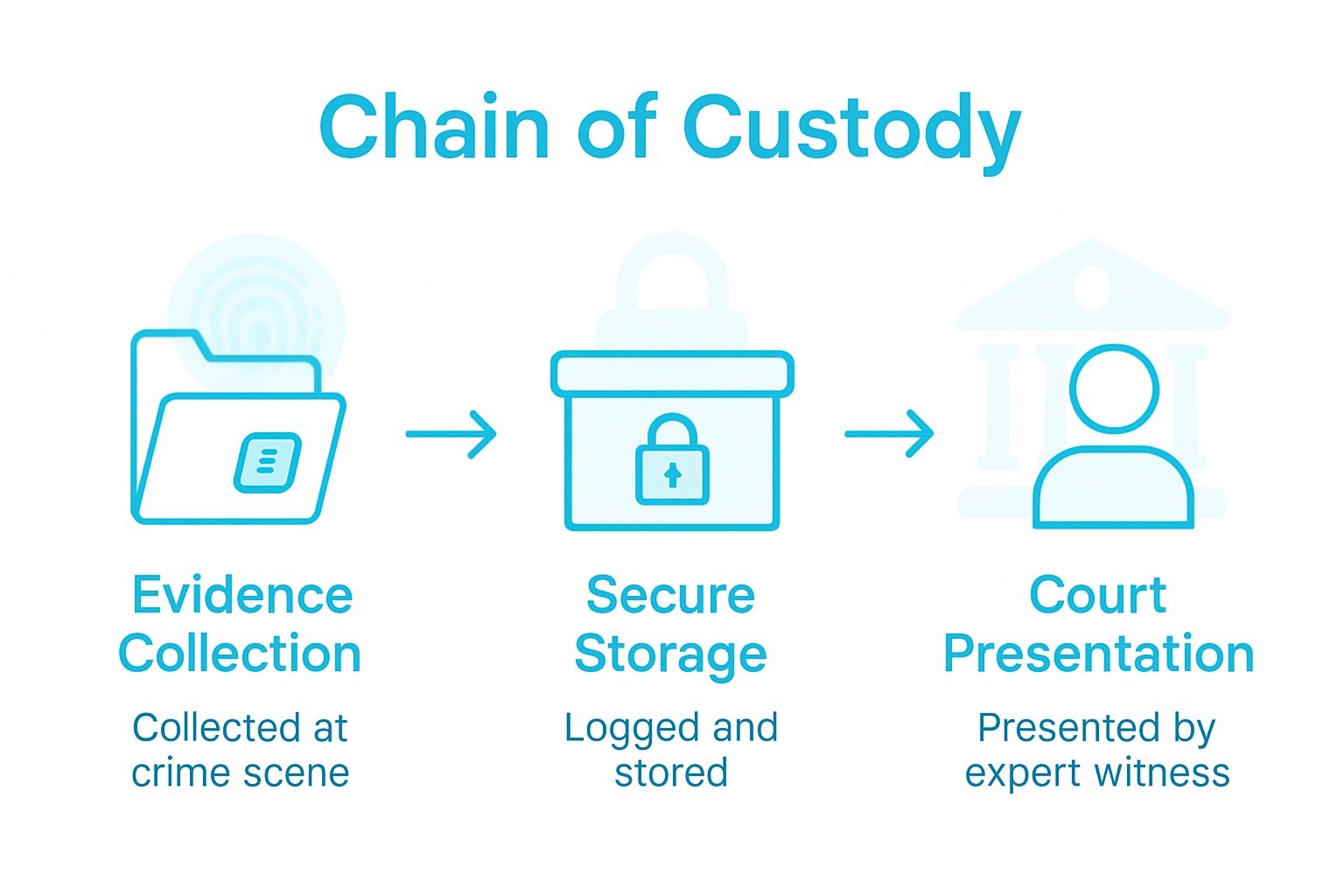
Reporting practices extend beyond mere technical documentation, requiring expert witnesses to prepare comprehensive narratives that translate complex digital forensic findings into clear, legally comprehensible language. This involves generating detailed reports that not only catalogue technical findings but also explain the significance of digital evidence in a manner accessible to legal professionals who may lack advanced technical understanding. Forensic experts must anticipate potential legal challenges, ensuring that their documentation provides a transparent, verifiable account of how digital evidence was discovered, preserved, analysed, and interpreted, ultimately supporting the credibility and reliability of their expert testimony.
Risks, Pitfalls, and Common Mistakes
Digital forensic expert witnesses face numerous potential professional risks that can fundamentally compromise their credibility and legal effectiveness. Computer forensics experts must remain vigilant against common mistakes that could potentially invalidate their entire forensic investigation. These risks range from technical errors in evidence collection to subtle but critical lapses in professional conduct that may undermine their expert testimony’s reliability and admissibility in legal proceedings.
One of the most significant challenges involves maintaining absolute objectivity and avoiding potential bias indicators that could discredit their professional standing. Understanding chain of custody procedures becomes crucial in mitigating risks associated with evidence handling. Experts must meticulously document their methodologies, avoid ambiguous terminology in their professional documentation, and ensure that compensation agreements do not create perceived conflicts of interest that might compromise their perceived neutrality.
Technical pitfalls present equally complex challenges for digital forensic experts. Common mistakes include insufficient documentation, inadequate preservation of digital evidence, failure to maintain proper forensic imaging techniques, and using outdated or improperly validated forensic tools. Experts must constantly update their technical knowledge, remain current with emerging digital technologies, and develop robust methodological approaches that can withstand intense judicial scrutiny. Their professional reputation hinges on their ability to provide precise, reproducible, and legally defensible digital forensic analysis that meets the highest standards of technical and ethical excellence.
Expert Witness Support for Your Digital Forensics Challenges
Navigating the legal complexities of digital evidence demands precise expertise and unwavering integrity. If you are facing challenges related to maintaining chain of custody or need clear, credible expert testimony, understanding the role and responsibilities of an expert witness is essential. The article highlights the critical nature of objective evidence reporting, courtroom responsibilities, and professional qualifications that only trusted expert witnesses can provide.
Our team at Computer Forensics Lab specialises in delivering comprehensive expert witness services tailored to legal professionals, law enforcement, and businesses. With proven experience in forensic computing and digital evidence analysis, we ensure your case is supported by meticulous documentation and scientifically validated testimony. Discover how our Expert Witness and Forensic Computing Expert services uphold the highest standards. Act now to secure reliable digital forensic support that withstands rigorous legal scrutiny. Visit us today at Computer Forensics Lab to discuss how we can strengthen your litigation strategy.
Frequently Asked Questions
What is the role of a digital forensic expert witness in legal proceedings?
Digital forensic expert witnesses analyse and interpret electronic evidence, translating complex technical findings into clear explanations that can be understood by judges and juries. Their insights can significantly influence the outcomes of legal cases.
What qualifications are required to become a digital forensic expert witness?
To serve as a digital forensic expert witness, individuals typically need advanced degrees in relevant fields such as computer science or cybersecurity, along with professional certifications and extensive practical experience in digital evidence analysis.
What are the legal obligations of a digital forensic expert witness?
Digital forensic experts are legally required to present objective, scientifically sound testimony that withstands cross-examination. They must maintain professional integrity while ensuring their evidence meets legal standards and is communicated clearly to the court.
What is the importance of maintaining chain of custody in digital forensics?
Maintaining chain of custody is crucial as it ensures that digital evidence remains uncontaminated and legally admissible. It involves meticulous documentation that records every interaction with the evidence, preserving its authenticity throughout the legal process.