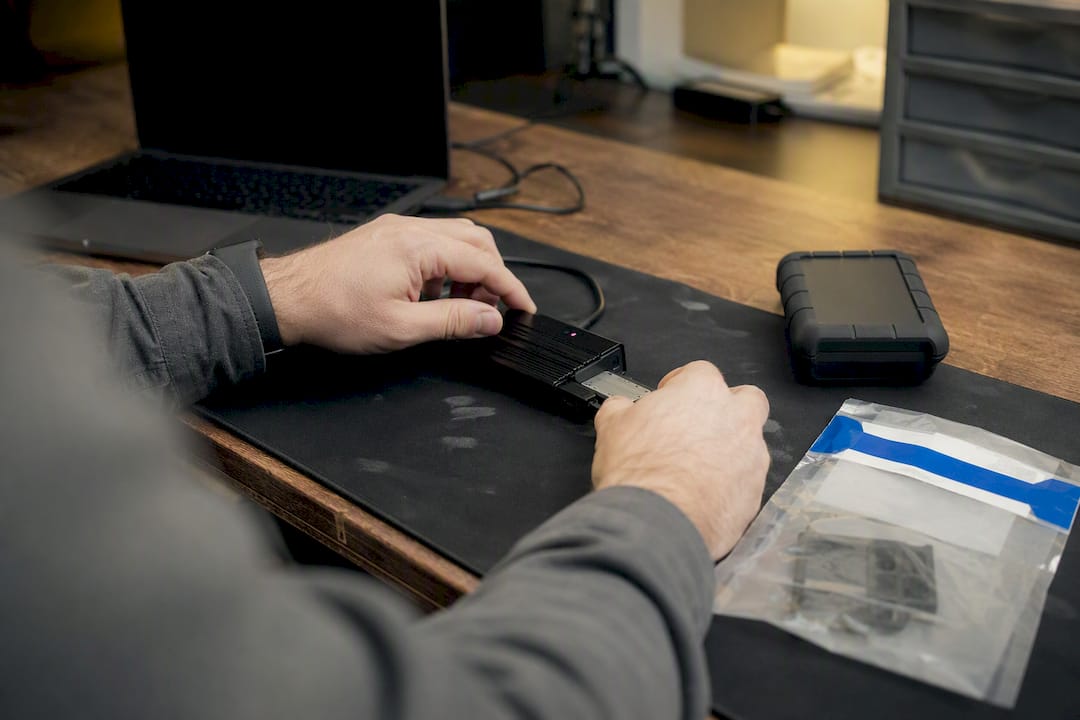
In a legal and law‑enforcement context, cyber intelligence means digital forensics: the recovery, analysis and reconstruction of electronic evidence to produce findings that will hold up in court. Computer Forensics Lab uses the term to describe forensically sound investigation work carried out to standards consistent with National Institute of Justice guidance, resulting in admissible evidence, a defensible chain of custody and expert witness reports.
TL;DR:
- Forensic cyber investigations are necessary when digital evidence is required to prove misconduct, theft, or breach-related allegations dependent on device or network data.
- The four-phase process—identify, preserve, analyze, and report—is mandatory for admissible evidence and must include a complete chain of custody with cryptographic hashing.
- Using validated tools and independent testing ensures the credibility of evidence and helps defend against cross-examination attacks.
- Proper handling by trained personnel and detailed documentation are essential to prevent evidence from becoming inadmissible due to human error.
- External counsel-led forensic engagement enhances legal protection, safeguards privilege, and ensures reports meet court standards for technical accuracy and clarity.
Table of Contents
- When does an investigation need forensic cyber intelligence?
- The four‑phase process courts expect: identify, preserve, analyse, report
- Chain of custody: the paperwork that decides whether evidence survives cross‑examination
- How independent forensic experts protect privilege and strengthen your case
- What to ask for when you commission a forensic investigation
- Where forensic investigation fits within wider cybersecurity work
- The practical limits of forensic cyber intelligence
- Forensic evidence in action: incident response and internal investigations
- Strategic, tactical and operational intelligence in a forensic context
- The techniques and tools behind forensic data gathering
- What years of forensic casework teach you about timelines and cost
- How Computer Forensics Lab supports your investigation
- Sources
When does an investigation need forensic cyber intelligence?
Forensic cyber intelligence becomes necessary the moment a dispute or allegation depends on what happened on a device, in an account, or across a network, and someone will eventually have to prove it. Unlike proactive threat monitoring, this work is reactive: it starts after wrongdoing is suspected, a breach is discovered, or litigation is on the horizon, and it asks a narrow, evidential question rather than a broad, predictive one.
The scope covers a recognisable set of scenarios that legal and corporate security teams encounter repeatedly:
- Employee misconduct — data exfiltration before resignation, breaches of acceptable use policy, or harassment conducted through company systems.
- Intellectual property theft — trade secrets copied to personal cloud storage or USB media ahead of a move to a competitor.
- Regulatory disclosures — data protection incidents requiring a forensic account of what was accessed, when, and by whom.
- Criminal allegations — fraud, extortion or harassment cases where digital devices hold the primary evidence.
- Breach attribution — establishing how an intrusion occurred and what was taken, for insurers, regulators or civil claims.
Evidence typically comes from desktops and laptops, mobile handsets, server logs, cloud storage and collaboration platforms, and social media accounts. A single case often draws on several of these sources simultaneously, since deleted files, login timestamps and message metadata rarely live in one place.
The four‑phase process courts expect: identify, preserve, analyse, report
A defensible digital investigation follows a structured sequence, and departing from it is one of the fastest ways to see evidence excluded. The NIJ’s digital evidence policies and procedures manual sets out four phases that most credible forensic methodologies mirror: identification and seizure, preservation, analysis, and reporting. A complete chain of custody runs through all four and is, in the NIJ’s own framing, mandatory for judicial reliability.
- Identify — establish lawful authority to seize the device or data, whether through consent, a warrant, or an employer’s contractual right to access company equipment. Skipping this step can taint everything that follows, regardless of how carefully the technical work is done afterwards.
- Preserve — create a forensic image using hardware write‑blockers, capture volatile memory where relevant, and generate a cryptographic hash of the acquired data. Any subsequent alteration to that image changes the hash value, which is precisely why hashing underpins integrity claims in court.
- Analyse — reconstruct timelines, examine file and system metadata, and correlate activity across multiple devices or accounts. Digital forensics for legal teams increasingly relies on this cross‑device correlation because modern conduct rarely stays confined to one machine.
- Report — translate technical findings into a clear factual narrative, supported by exhibits, tool logs, and steps detailed enough for another examiner to reproduce them.
Pro Tip: Ask any prospective forensic provider which tools they use and whether those tools have been through independent validation testing. NIST’s digital evidence resources exist precisely because unvalidated tools can produce results that collapse under cross‑examination.
Tool validation matters more than most instructing solicitors realise. A method that has never been independently tested for accuracy is a vulnerability an opposing expert will exploit, and NIST’s cloud forensics and tool‑testing programmes exist specifically to close that gap.
Chain of custody: the paperwork that decides whether evidence survives cross‑examination
A chain of custody record has to show, without a gap, who handled a piece of evidence, when, where, and why, from the moment it was seized to the moment it appears in a witness statement. Every transfer of a device, image, or storage medium needs a corresponding entry, and every entry needs a signature. Cryptographic hashing sits alongside this paperwork as its technical backbone: a hash generated at acquisition and matched at every later stage proves the data was never altered, and a mismatch raises exactly the doubt a defence team will seize on.
First responders and in‑house IT staff play a disproportionate role in whether this record survives scrutiny. Practical guidance from the NIJ’s electronic crime scene investigation guide sets out clear rules for that critical first contact:
- Photograph the device and its surroundings before touching anything.
- Isolate the device from networks to prevent remote wiping or overwriting.
- Never boot up or log into a device before a forensic image has been taken.
- Record every person who has had physical or logical access to the evidence.
- Store devices in a secure, access‑controlled location pending collection.
The most common pitfall is well‑intentioned self‑collection: an IT administrator copying files onto a USB drive, unaware that the act of powering on a machine can overwrite volatile memory or alter file metadata. That single decision can render an otherwise strong case unusable, which is precisely why the NIJ’s policies and procedures manual treats trained handling and documented custody as inseparable requirements, not optional extras.
How independent forensic experts protect privilege and strengthen your case
Instructing a forensic expert through external counsel, rather than directly, changes the legal character of the work. Engaging a third‑party investigator early preserves evidence integrity and supplies the neutral expertise that judges and juries need to understand complex technical findings, and doing so under counsel’s direction maximises the chance that the work qualifies for attorney-client and work-product protection.
The safest engagement structure follows a consistent pattern: the forensic vendor is contracted by external counsel, the scope of work is directed by counsel, deliverables are labelled privileged, and all communication channels include counsel rather than routing directly between the client and the examiner.
A defensible expert report needs several elements to withstand challenge:
- A clear statement of instructions received and the questions the report answers.
- A step‑by‑step account of methodology, referencing validated tools and standard practices.
- Exhibits, hash values, and raw artefact references that allow independent verification.
- Plain‑language conclusions that a non‑technical judge or jury can follow without oversimplifying the underlying science.
When testimony is required, the same expert who wrote the report typically appears to defend it, translating technical detail into terms a courtroom can absorb while withstanding cross‑examination on methodology. Coordination between counsel, in‑house security teams and the forensic vendor throughout the engagement, rather than at the reporting stage alone, tends to produce reports that survive scrutiny.
What to ask for when you commission a forensic investigation
Speed matters at first contact. Before a forensic team even arrives, isolate the affected devices from networks, stop any routine data deletion or backup‑rotation policies that might overwrite relevant material, and record who has accessed the equipment since the incident was discovered.
Once you’re evaluating a provider, a short set of questions separates a defensible engagement from a vulnerable one:
- What accreditation or validated methodologies do you use, and can you cite testing equivalent to CFTT results?
- How is chain of custody documented and handed over at the end of the engagement?
- What is the realistic turnaround for imaging, analysis, and a court‑ready report?
- How do you handle data redaction for privileged or irrelevant material?
- How is the engagement structured to protect privilege, and will you work under instruction from external counsel?
| Deliverable | What it demonstrates |
|---|---|
| Forensic images with hash manifests | Data integrity and reproducibility |
| Annotated timelines | Correlated activity across devices and accounts |
| Raw artefacts (read‑only) | Independent verification by opposing experts |
| Expert witness report | Court‑ready factual narrative and conclusions |
Structuring the retainer through solicitors, with deliverables clearly marked privileged from the outset, keeps the work-product protections intact should the matter proceed to litigation.
Where forensic investigation fits within wider cybersecurity work
Forensic cyber intelligence, in the sense used throughout this article, sits downstream of an incident rather than ahead of it, unlike proactive cyber threat intelligence which anticipates and defends against attacks before they succeed. It is not the same discipline as cyber threat intelligence, which gathers and analyses threat data to anticipate and defend against attacks before they succeed. The two disciplines, however, frequently share the same case file.
A breach investigation, for example, often starts with forensic analysis establishing how an intrusion occurred and what was accessed, and that finding then feeds a security team’s broader defensive posture, informing patching priorities, access control changes, or staff training. The insight in the Marshall University research on cyber forensics and cybersecurity is that the line between device‑centric forensic work and network or cloud‑level security investigation has largely dissolved. Modern cases routinely require a hybrid approach, pulling artefacts from an endpoint, a cloud tenancy, and a network log simultaneously to build one coherent account.
For corporate legal and security teams, this means a forensic engagement rarely concludes with the report alone. Findings typically feed into an incident response debrief, inform whether a regulatory notification is required, and shape whether internal controls need tightening. Treating the forensic phase as isolated from the wider security programme tends to produce reports that answer the legal question but miss the operational lessons the organisation actually needed.
The practical limits of forensic cyber intelligence
Forensic investigation is powerful, but it has real boundaries that legal teams should understand before setting expectations with clients or opposing counsel. Encryption is the most persistent obstacle: a fully encrypted device or messaging app without a recoverable key can stop an otherwise sound investigation before it starts, regardless of the examiner’s skill.
Cloud data introduces a different set of constraints. Evidence held by third‑party providers often requires a formal legal request, subject to that provider’s own jurisdiction and retention policy, which can add weeks to a timeline a client expected to move in days. Volatile data is equally unforgiving: RAM contents, active network connections, and other transient artefacts exist only while a device stays powered on, so a delay of even a few hours between discovery and forensic capture can permanently close off a line of enquiry.
Volume presents a quieter but growing challenge. A single case can involve terabytes of data across multiple devices and accounts, and manually reviewing all of it is neither efficient nor reliable. Research on intelligent forensics and digital forensic intelligence points to techniques such as social network analysis and machine‑assisted triage as ways to focus examiner attention on the artefacts most likely to matter, rather than reviewing everything with equal weight.
Finally, human error remains the most common failure mode. Untrained handling, undocumented transfers, and rushed self‑collection cause more evidence to become inadmissible than any technical limitation of the forensic tools themselves.
Forensic evidence in action: incident response and internal investigations
A breach investigation illustrates the pattern well. When a company detects unauthorised access to its network, forensic examiners image affected servers and endpoints, reconstruct a timeline of the intruder’s movements, and identify precisely which files or records were accessed or exfiltrated. That timeline then does double duty: it answers the legal question of scope for breach notification purposes, and it hands the security team a concrete account of which controls failed.
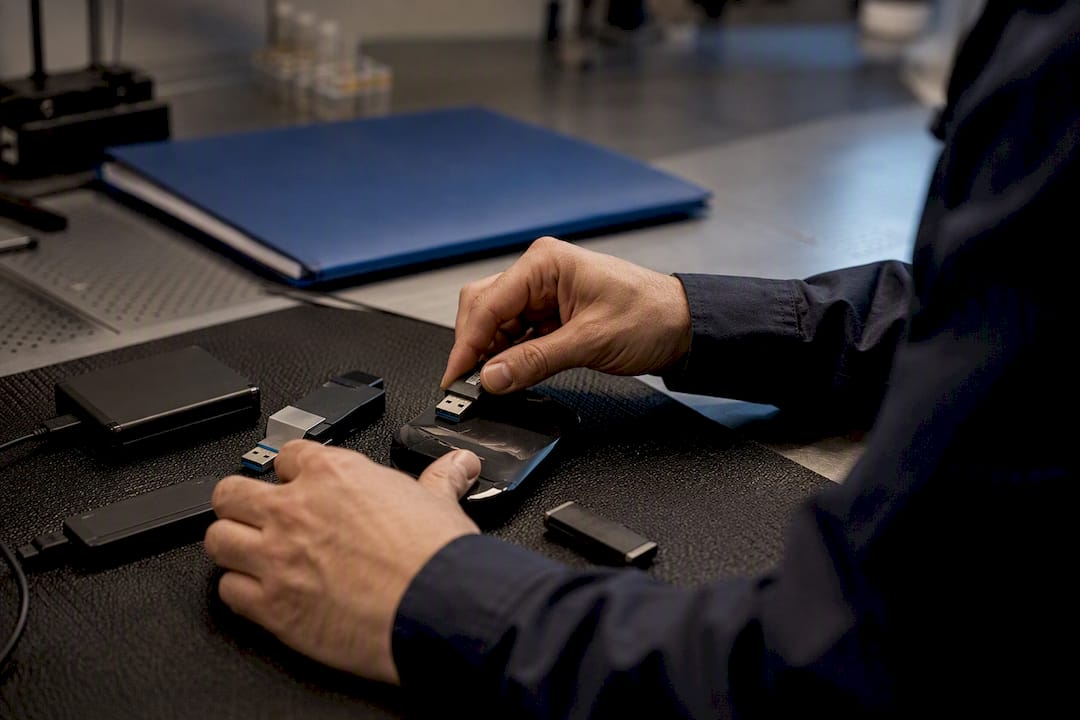
Employee misconduct cases follow a comparable arc on a smaller scale. A departing employee suspected of copying client lists before joining a competitor leaves traces across USB connection logs, cloud upload histories, and email attachments, and forensic analysis of a work laptop and associated cloud accounts can establish exactly what left the building and when.
Intellectual property theft cases often hinge on metadata that a non‑technical observer would never think to check. File creation and modification timestamps, the last‑accessed dates on sensitive documents, and print‑spool logs have all featured as decisive evidence in disputes over whether material was taken deliberately or accessed incidentally.
Proactive defence benefits from this same forensic discipline, even outside active litigation. Organisations that run periodic forensic readiness assessments, checking that logging is comprehensive and that devices can be imaged quickly if needed, consistently shorten the timeline of any investigation that follows. Readiness of this kind rarely makes headlines, but it is often the difference between a case resolved in weeks and one that drags on for months while examiners try to reconstruct data that was never properly preserved in the first place.
Strategic, tactical and operational intelligence in a forensic context
Forensic engagements are sometimes described using the same strategic, tactical and operational tiers borrowed from broader intelligence disciplines, and the distinction is useful for scoping an investigation correctly from the outset.
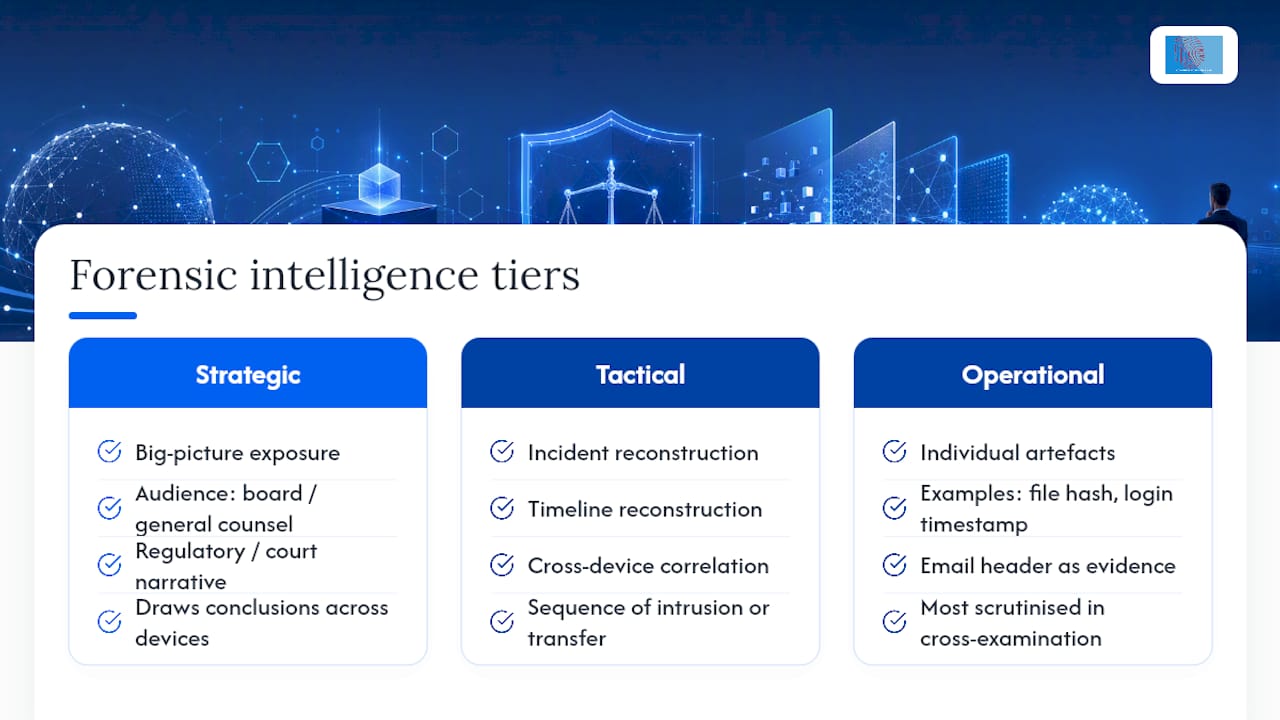
Strategic‑level findings answer the big‑picture question a board or general counsel actually needs resolved: did a breach expose regulated personal data, and what is the organisation’s overall exposure? This tier draws together conclusions from multiple devices and accounts into a single narrative suitable for a regulator or a court.
Tactical findings sit one level down, focusing on how a specific incident unfolded. This is where timeline reconstruction and cross‑device correlation do most of their work, establishing the sequence of an intrusion or the mechanics of a data transfer step by step.
Operational findings are the most granular tier: individual artefacts such as a specific file’s hash value, a login timestamp, or a single email header. These are the building blocks that tactical timelines and strategic conclusions are built from, and they are the details an opposing expert will scrutinise most closely during cross‑examination.
A well‑scoped forensic instruction typically specifies which tier of finding the client actually needs, since chasing operational‑level detail on every artefact when only a strategic conclusion is required wastes time and budget without strengthening the case.
The techniques and tools behind forensic data gathering
Forensic examiners rely on a consistent toolkit regardless of case type, built around acquisition, preservation and analysis. Forensic imaging software paired with hardware write‑blockers captures a bit‑for‑bit copy of a device without altering the original, while hashing algorithms generate the cryptographic fingerprint that proves the image has stayed unchanged throughout the case.
Mobile device forensics uses specialised extraction methods to recover call logs, messages, and application data from handsets, often the richest single evidence source in employee misconduct and IP theft cases. Cloud forensics tools authenticate against provider APIs to pull account activity, login histories, and stored files, a process that has to account for each provider’s own retention and access policies.
Analysis techniques include metadata examination, which reads the hidden properties attached to files and communications, and timeline reconstruction software that plots activity across multiple sources into a single chronological account. Cross‑device correlation, increasingly assisted by techniques drawn from social network analysis, helps examiners spot patterns that would be invisible looking at any one device in isolation. Every tool in this chain needs to meet the validation standards referenced in NIST’s digital evidence guidance, since an examiner using an untested method hands an opposing expert an easy line of attack.
What years of forensic casework teach you about timelines and cost
A single‑device misconduct case can often be imaged, analysed and reported within a relatively short timeframe. Multi‑device breaches involving cloud accounts and encrypted communications can take significantly longer, since legal requests to third‑party providers and encryption barriers both add delay outside the examiner’s control.
Cost tends to track three variables closely: the number of devices, the complexity of cloud environments involved, and whether encryption requires additional recovery effort. Expert witness experience, disciplined chain of custody practice, and forensic work featured in productions such as Discovery+’s 999 Murder Calling all shape how a report performs once it reaches cross‑examination.
— Computer
How Computer Forensics Lab supports your investigation
Computer Forensics Lab provides forensic imaging, mobile and cloud data analysis, expert witness reporting, and chain‑of‑custody handling for solicitors, law enforcement, corporate legal departments and private clients across the full lifecycle of an investigation. Unlike generalist IT support brought in after the fact, the lab works to methods aligned with NIJ and NIST guidance, backed by court testimony experience and validated procedures that have already withstood cross‑examination, including work featured in Discovery+’s 999 Murder Calling.
If you suspect employee misconduct, IP theft, or a data breach and need evidence preserved before it degrades, the first priority is stopping any further alteration to the affected devices or accounts. Explore the full range of digital forensic investigation services or get in touch directly through Computer Forensics Lab’s contact page to arrange an immediate intake call and start preserving your evidence correctly from the outset.
Sources
- Digital evidence policies and procedures manual (National Institute of Justice)
- The art of investigating: simultaneously managing incident response and overseeing a privileged forensic investigation (Lexology)