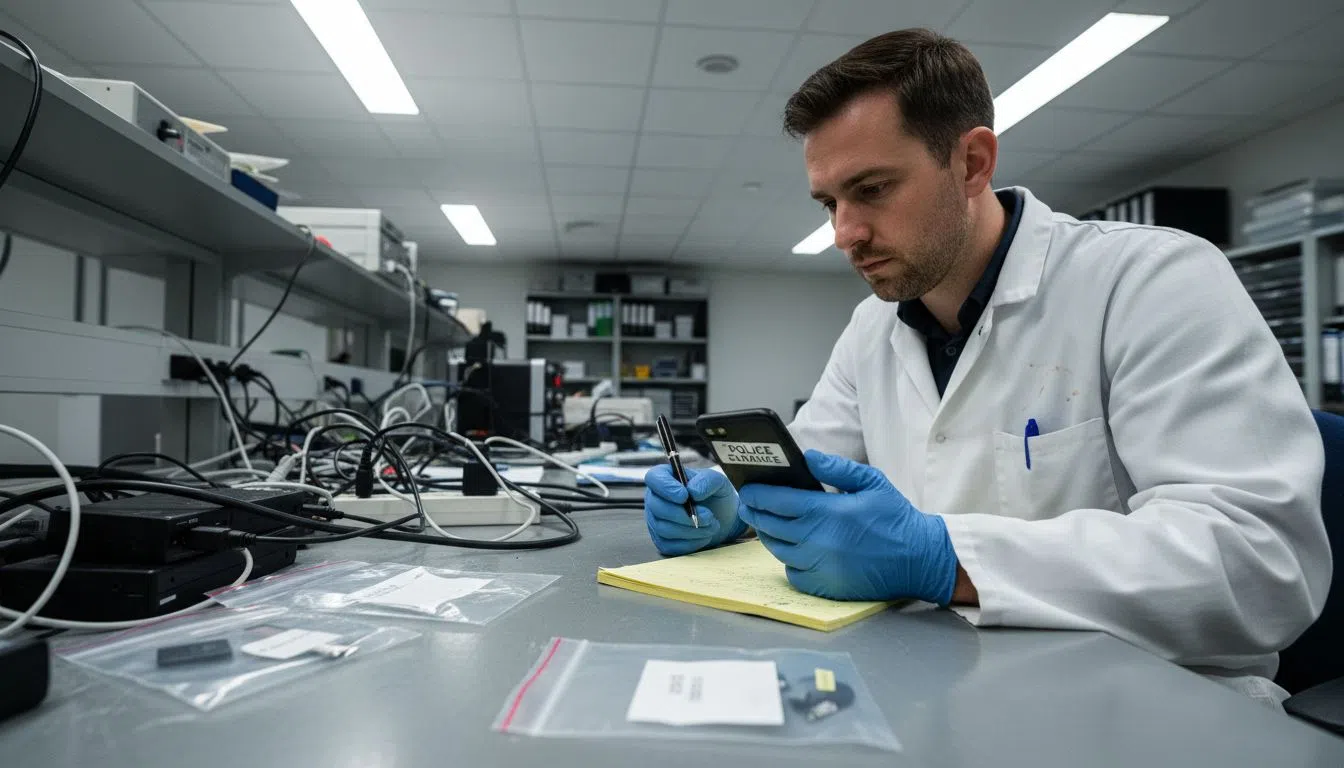
Finding digital evidence on a smartphone can feel like searching for vital clues in a maze. Forensic investigators and criminal lawyers in London know that the sheer complexity of mobile devices presents both challenges and opportunities in cybercrime cases. This article offers practical insights into mobile device analysis, outlining extraction methods, legal requirements, and common pitfalls to help professionals achieve reliable results and maintain legal admissibility.
Table of Contents
- Defining Mobile Device Analysis In Forensics
- Key Types Of Mobile Data Extracted
- Methods And Process Of Device Analysis
- Legal Requirements And Evidential Standards
- Practical Applications In Legal Cases
- Risks, Challenges, And Common Pitfalls
Key Takeaways
| Point | Details |
|---|---|
| Mobile Device Forensics is Essential | This field focuses on recovering and analysing digital evidence from mobile devices, crucial for modern investigations. |
| Strict Legal Adherence is Necessary | Forensic investigators must follow legal protocols to ensure the admissibility and integrity of digital evidence. |
| Continuous Adaptation to Technological Changes | Investigators need to update skills and tools regularly to keep pace with evolving technologies and data protection methods. |
| Systematic Methodologies Improve Outcomes | Employing a structured approach to mobile device analysis enhances the reliability and effectiveness of evidence retrieval. |
Defining Mobile Device Analysis in Forensics
Mobile device analysis is a specialised forensic discipline within digital investigations that focuses on extracting and examining electronic evidence from mobile communication devices. Forensic investigation methods encompass a comprehensive approach to identifying, acquiring, processing, and reporting electronically stored information for legal proceedings.
The core objectives of mobile device forensics include:
- Recovering deleted or hidden digital evidence
- Preserving data integrity during extraction
- Analysing communication records and metadata
- Documenting forensic processes for potential court presentation
- Decrypting secured device information
Mobile device analysis has become increasingly critical due to the ubiquitous nature of smartphones and their central role in modern digital communications. Forensic investigators must navigate complex technological landscapes, understanding diverse device architectures, operating systems, and evolving data storage mechanisms.
Professional mobile device analysis requires specialised knowledge across multiple domains, including digital forensics, cybersecurity, and legal evidence collection procedures. Practitioners must continuously adapt their techniques to address emerging technologies, encryption challenges, and sophisticated data protection mechanisms.
Pro tip: Always maintain a robust chain of custody and document every step of your forensic analysis to ensure potential digital evidence remains admissible in legal proceedings.
Key Types of Mobile Data Extracted
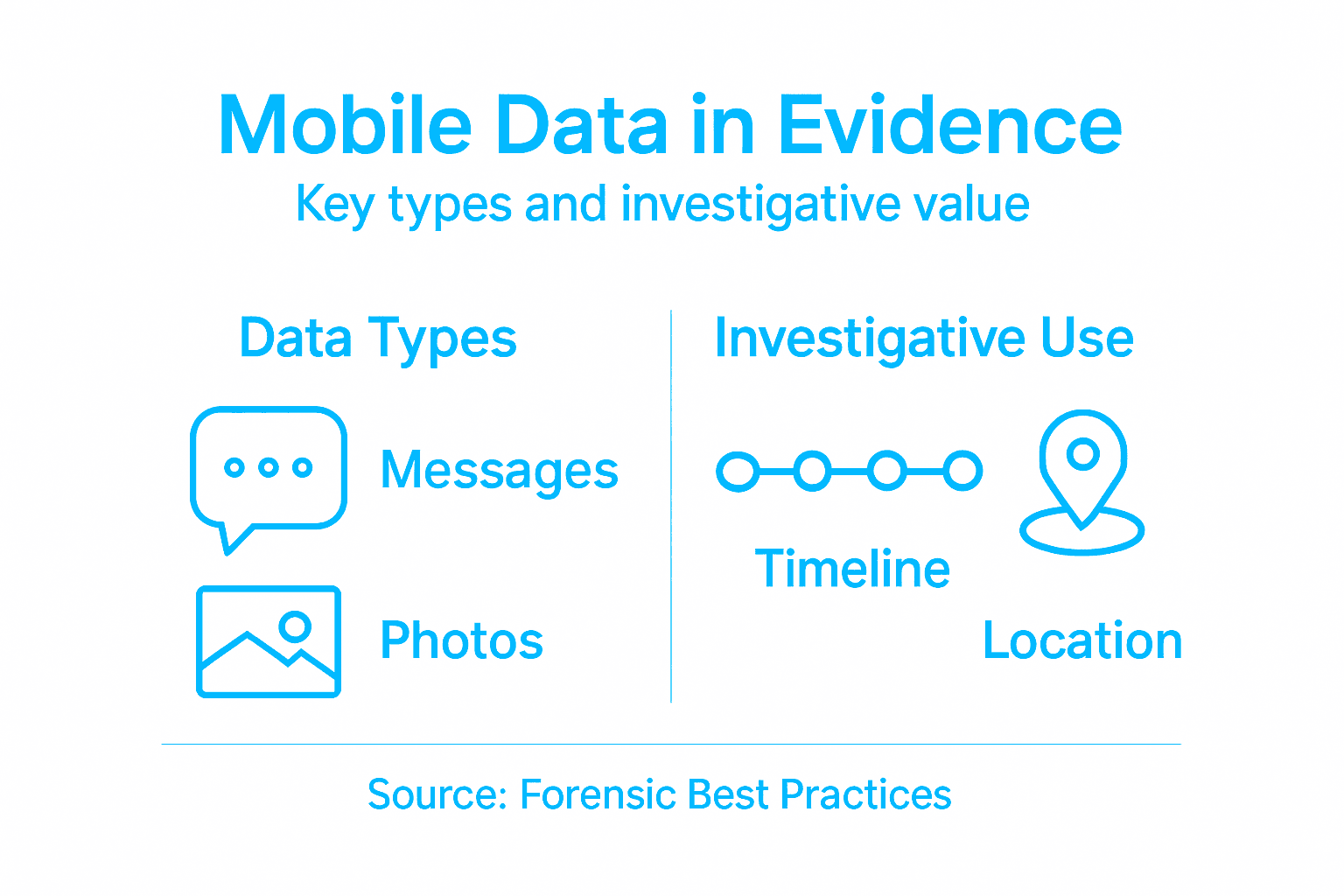
Mobile data extraction encompasses a comprehensive range of digital artifacts critical for forensic investigations. Forensic practitioners extract diverse data types that provide a holistic view of user activities and communications across multiple digital platforms.
The primary categories of mobile data typically extracted include:
- Call records and communication logs
- Text messages (SMS and instant messaging)
- Email correspondence
- Multimedia files (photos, videos, audio recordings)
- Geolocation and GPS tracking information
- Contact lists and address book details
- Social media application data
- Web browsing history
- Application usage logs
- System metadata and device configuration settings
Each data category offers unique investigative insights, revealing intricate details about an individual’s digital interactions, behavioural patterns, and potential evidentiary connections. Digital forensic experts must employ sophisticated techniques to recover and analyse these data fragments, often dealing with encrypted or deliberately concealed information.
The complexity of mobile data extraction requires advanced technological understanding, with forensic professionals continuously adapting to emerging device technologies, encryption methods, and data storage mechanisms. Successful extraction demands a nuanced approach that balances technical expertise with legal and ethical considerations.
Pro tip: Always document your forensic extraction process meticulously, ensuring each retrieved data point can withstand potential legal scrutiny and maintain its evidential integrity.
Methods and Process of Device Analysis
Mobile device forensic analysis involves a systematic approach to digital evidence extraction and examination. Forensic investigators follow comprehensive methodological frameworks to ensure thorough and legally admissible data recovery across multiple device platforms.
The primary stages of mobile device forensic analysis typically include:
- Preservation: Securing the original device and preventing data modification
- Acquisition: Creating forensically sound bitwise copies of device memory
- Examination: Detailed analysis of extracted digital artifacts
- Documentation: Comprehensive logging of forensic processes and findings
- Reporting: Preparing detailed expert reports for legal proceedings
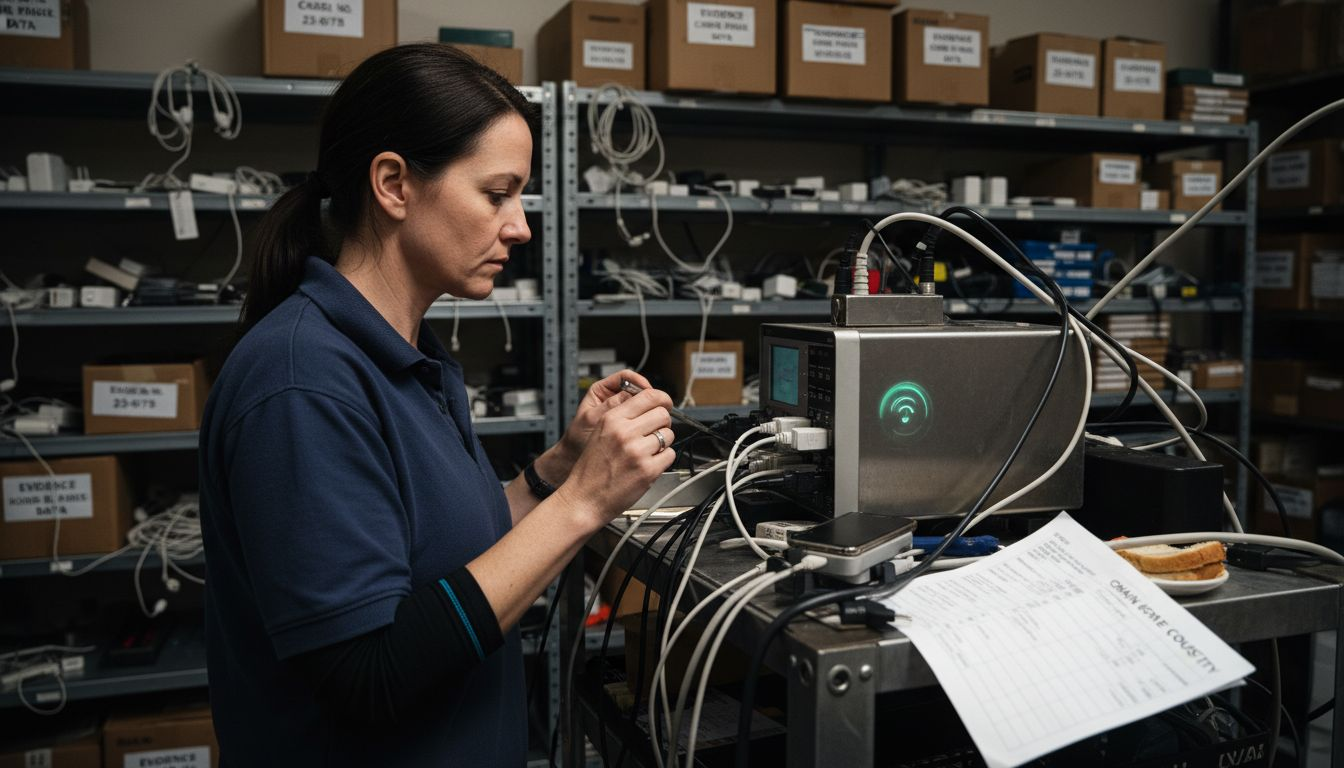
Acquisition techniques vary depending on device characteristics, with forensic experts employing multiple strategies to overcome technological barriers. These may include physical extraction, logical extraction, file system extraction, and advanced methods for bypassing encryption and accessing locked devices.
Here’s a quick overview of forensic data extraction approaches and their suitability for different device conditions:
| Extraction Approach | Suitable Device State | Technical Complexity | Typical Use Case |
|---|---|---|---|
| Physical Extraction | Powered-on, unlocked | High – specialist tools | Deep data recovery |
| Logical Extraction | Unlocked or partially locked | Moderate – software tools | Standard artefact retrieval |
| File System Extraction | Unlocked, accessible storage | Moderate – advanced tools | Metadata and app analysis |
| Cloud Data Extraction | Cloud-synced, user credentials available | Variable – depends on cloud security | Remote data acquisition |
The complexity of mobile forensics demands continuous adaptation to emerging technologies, with investigators constantly updating their methodological approaches. Forensic professionals must navigate challenging landscapes of device diversity, encryption technologies, and evolving data storage mechanisms, ensuring that digital evidence remains intact and legally defensible.
Pro tip: Maintain a strict chain of custody and document every technical intervention during the forensic analysis to preserve the evidential integrity of digital artifacts.
Legal Requirements and Evidential Standards
Digital forensic investigations require strict adherence to legal protocols and evidential standards. Forensic investigators must follow internationally recognised legal frameworks to ensure the admissibility and credibility of digital evidence in judicial proceedings.
The primary legal requirements for mobile device forensics encompass:
- Obtaining proper legal authorisation (search warrants, subpoenas)
- Maintaining comprehensive chain of custody documentation
- Preserving original evidence integrity
- Ensuring forensic methodologies are scientifically validated
- Protecting individual privacy rights
- Complying with data protection regulations
- Demonstrating forensic tool reliability
- Providing transparent and reproducible analysis
Evidential standards demand meticulous documentation and adherence to established forensic protocols. Investigators must follow systematic approaches that withstand potential legal challenges, including comprehensive logging of every technical intervention and preservation of original device state.
The legal landscape surrounding digital evidence continues to evolve, with forensic professionals required to navigate complex regulatory environments. This demands continuous professional development, understanding emerging privacy laws, and maintaining adaptable forensic methodologies that respect both investigative requirements and individual rights.
Pro tip: Always document every technical action with precise timestamps and validated forensic tools to create an unassailable forensic record.
Practical Applications in Legal Cases
Mobile device forensics plays a critical role in modern legal investigations, providing comprehensive digital evidence across multiple legal domains. Artificial intelligence frameworks enhance digital evidence examination by supporting sophisticated data retrieval and event reconstruction techniques.
Key practical applications in legal proceedings include:
- Criminal investigations and prosecution support
- Domestic violence and stalking case evidence
- Intellectual property theft investigations
- Corporate misconduct and fraud detection
- Child protection and online exploitation cases
- Cybercrime and digital security breach analysis
- Insurance fraud investigation
- Matrimonial and family law disputes
- Employment misconduct verification
- Digital evidence authentication
Forensic investigators leverage mobile device data to reconstruct critical events, providing courts with verifiable digital evidence that can substantiate or challenge legal claims. This approach enables precise timeline reconstruction, communication pattern analysis, and contextual understanding of complex digital interactions.
To aid rapid reference, here’s a table summarising how forensic mobile device analysis is used in legal investigation types:
| Legal Domain | Evidence Provided | Insight Gained |
|---|---|---|
| Criminal Cases | Communication timelines | Suspect activity reconstruction |
| Corporate Investigations | App and usage logs | Misconduct event validation |
| Family Law | Messaging and photos | Relationship verification |
| Cybercrime | System metadata | Security breach analysis |
| Insurance Claims | Location history | Fraudulent claim exposure |
The multifaceted nature of mobile forensics demands exceptional technical expertise and legal understanding. Forensic professionals must navigate intricate technological landscapes while maintaining strict adherence to legal standards, ensuring that digital evidence remains admissible and reliable in judicial proceedings.
Pro tip: Always collaborate closely with legal counsel to ensure digital evidence meets specific jurisdictional requirements and maintains comprehensive forensic integrity.
Risks, Challenges, and Common Pitfalls
Mobile device forensics confronts numerous complex challenges that demand sophisticated technological and legal expertise. Investigators navigate intricate technological landscapes while addressing multifaceted risks inherent in digital evidence collection.
Key risks and challenges include:
- Rapidly evolving device technologies
- Complex encryption mechanisms
- Diverse operating system architectures
- Cloud data synchronisation complications
- Proprietary file system restrictions
- Privacy protection legal constraints
- Large-scale data volume management
- Potential evidence contamination risks
- Authentication and integrity verification
- Cross-platform data inconsistencies
Forensic practitioners must develop comprehensive strategies to mitigate these challenges, requiring continuous professional development and adaptive technological approaches. Maintaining strict protocols becomes essential to preserve digital evidence integrity and ensure legal admissibility.
The dynamic nature of mobile technologies necessitates ongoing learning and technological adaptation. Forensic experts must remain vigilant, understanding that each device presents unique extraction challenges requiring specialised knowledge, sophisticated tools, and meticulous documentation to overcome potential investigative obstacles.
Pro tip: Regularly update your forensic toolkit and participate in continuous professional training to stay ahead of emerging technological challenges in mobile device analysis.
Unlock the Power of Expert Mobile Device Analysis for Your Digital Investigations
Mobile device analysis is critical in overcoming the challenges of extracting and preserving complex digital evidence. Whether you are dealing with encrypted data, hidden communication logs, or vast amounts of multimedia files, ensuring data integrity and legal admissibility can feel overwhelming. At Mobile Phone Forensic Experts, we specialise in delivering meticulous forensic analysis tailored to meet evolving technologies and strict evidential standards. Our expertise includes advanced extraction techniques and comprehensive documentation designed to support your legal or investigative needs with confidence.
Don’t let crucial digital evidence slip through the cracks in your case. Discover how our Mobile Forensics Investigations can provide precise recovery, detailed reporting, and expert witness support to strengthen your position. Act now to safeguard your investigation with trusted professionals ready to navigate the complexities of mobile device forensics. Contact us today at Computer Forensics Lab and turn your digital evidence challenges into decisive outcomes.
Frequently Asked Questions
What is mobile device analysis in forensics?
Mobile device analysis in forensics is the process of extracting and examining electronic evidence from mobile communication devices, focusing on data recovery, integrity preservation, and legal documentation.
What types of data can be extracted from mobile devices during a forensic analysis?
Common types of data extracted include call records, text messages, emails, multimedia files, GPS information, contact lists, social media data, web browsing history, and more.
What are the key stages involved in mobile device forensic analysis?
The key stages include preservation of the device, acquisition of data, examination of extracted artifacts, thorough documentation of processes, and reporting of findings for legal proceedings.
What legal requirements must be observed in mobile device forensics?
Legal requirements include obtaining proper authorisation, maintaining a chain of custody, preserving evidence integrity, complying with data protection regulations, and demonstrating the reliability of forensic tools.