
Digital Forensics Services Overview for Legal and Corporate Cases: Comprehensive Investigation and Evidence Analysis
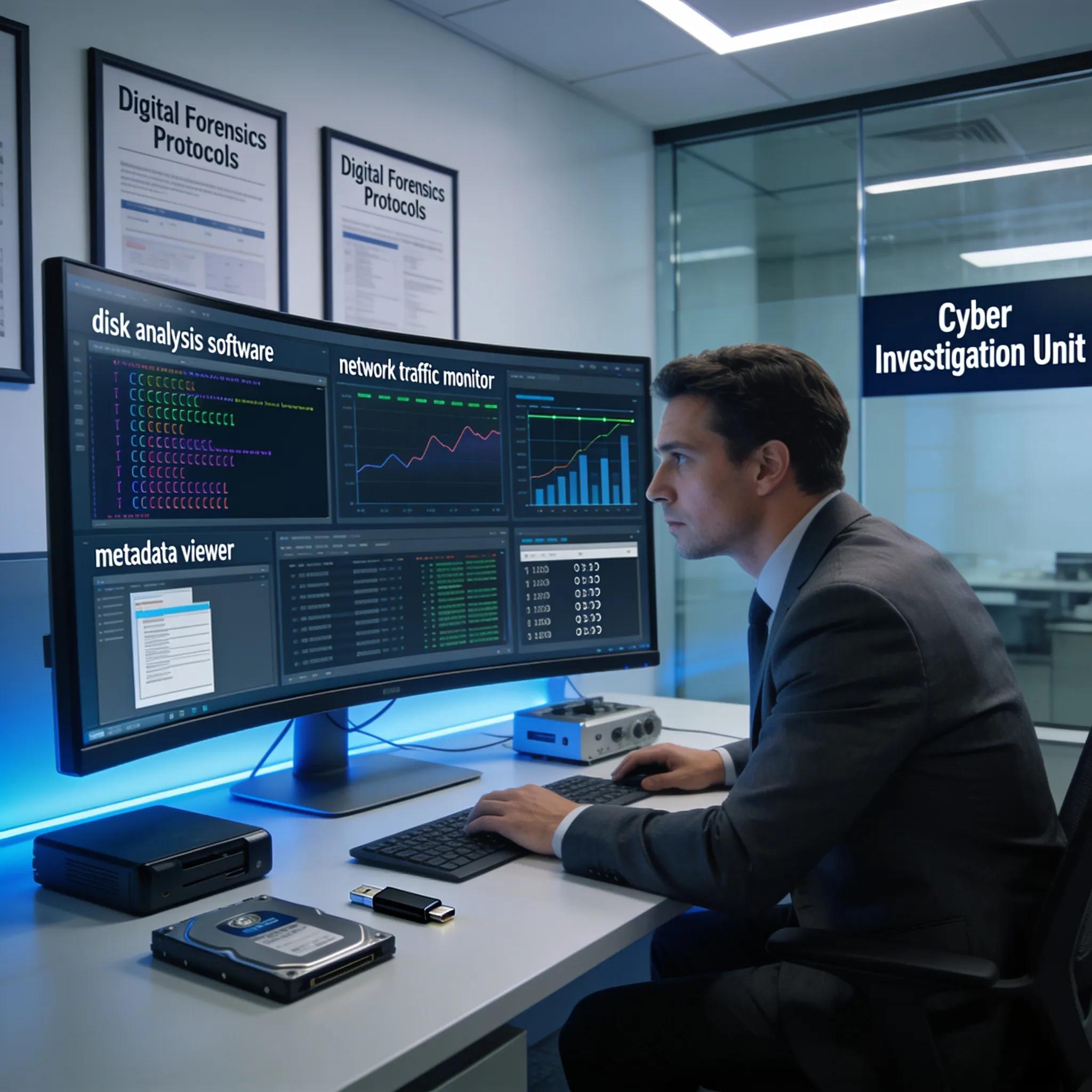
Digital forensics plays a crucial role in both legal and corporate settings by providing systematic investigation and analysis of digital data. It empowers organizations and legal authorities to uncover evidence necessary for resolving disputes or criminal cases. As cybercrimes and digital incidents rise, the demand for skilled digital forensic services grows. This article dives into what digital forensics entails, its significance, and how it supports investigations in legal and corporate environments. We will explore the essential techniques, electronic evidence types, and the standards that guide these forensic practices, as well as address common queries related to the field.
What Constitutes Digital Forensics and Its Role in Legal and Corporate Investigations?
Digital forensics refers to the process of collecting, analyzing, and preserving digital evidence in a manner that is legally admissible. It involves various techniques and tools to extract data from electronic devices, ensuring that collected information remains intact and unaltered. The importance of digital forensics in legal and corporate investigations is immense, as it aids in uncovering hidden information and corroborating facts in disputes or alleged criminal activities. This systematic approach not only validates evidence but also contributes to the broader understanding of cyber legality and compliance in organizational settings.
How Are Digital Forensics and Computer Forensics Defined and Differentiated?
Digital forensics encompasses a broad range of data recovery and analysis across multiple device types, including computers, mobile phones, and cloud environments. Computer forensics, on the other hand, is a subset focused specifically on analyzing data from computers and personal devices. While both fields share methodologies, digital forensics is more comprehensive as it addresses various forms of digital evidence beyond typical computer systems. For example, digital forensics may include data from IoT devices or forensic analysis from network logs, which may not fall under the traditional computer forensics umbrella.
Which Types of Electronic Evidence Are Critical in Legal Proceedings?
The types of electronic evidence considered critical in legal proceedings include emails, digital documents, chat logs, browsing history, and data from social media platforms. Each of these evidence types can provide invaluable insights during investigations. Moreover, when properly collected and analyzed, they can substantiate various claims or accusations presented in court. The handling of such evidence must adhere to strict legal standards to ensure its admissibility, particularly in criminal cases where the stakes are high.
How Are Digital Forensics Services Structured to Support Legal Cases Effectively?
Digital forensics services are typically structured with specific protocols and methodologies tailored to meet legal requirements. These structured approaches ensure that investigations are thorough and comply with rules governing evidence collection and presentation in legal settings. With a focus on integrity and accuracy, these services help legal teams build strong cases based on solid forensic evidence.
What Are the Standard Procedures for Evidence Collection, Preservation, and Chain of Custody?
Standard procedures for evidence collection emphasize meticulous documentation and adherence to a chain of custody protocol. This involves formally recording how evidence is gathered, analyzed, and stored to prevent contamination or tampering. Digital forensic specialists employ careful measures such as creating immediate backups of data and using write blockers to ensure that original evidence remains untouched. Such practices are essential for ensuring that digital evidence is credible and can withstand scrutiny in legal proceedings.
How Do Forensic Reporting Standards and Expert Testimony Facilitate Court Proceedings?
Forensic reporting standards play a crucial role in digital forensics by providing structured frameworks for presenting findings in legal contexts. Expert testimony by forensic specialists may also be necessary, as these professionals can articulate the methodologies and significance of their findings to a judge or jury. In legal battles, the capacity for a forensic expert to translate complex technical information into understandable terms can significantly influence the outcome of a case, enhancing the credibility of the evidence presented.
Which Digital Forensics Solutions Address Corporate Risk Management and Incident Response?
Corporate environments increasingly rely on digital forensics solutions to bolster risk management and incident response strategies. These forensic services enable organizations to identify security breaches, manage threats, and ensure regulatory compliance effectively. This proactive management is vital to safeguarding sensitive information and maintaining trust among stakeholders.
How Are Forensic Investigations Applied in Corporate Fraud Detection and Compliance Assurance?

Forensic investigations are integral to detecting fraud within organizations and assuring compliance with various regulations. Techniques such as data analytics and anomaly detection are often employed to uncover suspicious activities and ensure adherence to legal and financial standards. For example, detailed financial records can be examined to identify patterns indicative of fraud, thus helping organizations mitigate risks associated with non-compliance.
What Role Does Incident Response Play in Cybersecurity and Forensic Support?
Incident response has become a fundamental component of modern cybersecurity strategies. It involves immediate actions taken to address a cyber incident and mitigate damage while initiating forensic investigations to understand the scope and impact of the breach. Effective incident response not only helps in recovering from incidents but also aids in providing valuable insights that can shape future security practices, ensuring organizations are better prepared for potential threats.
What Specialized Forensic Techniques Are Employed for Mobile Devices, Networks, and Cloud Environments?
Specialized techniques in digital forensics have evolved to cater to the diverse landscape of digital environments, including mobile devices, networks, and cloud storage solutions. Each area demands specific forensic methodologies given the unique challenges and data structures involved.
How Is Mobile Device Forensics Conducted to Extract and Authenticate Data?
Mobile device forensics focuses on extracting and authenticating data from smartphones and tablets. Techniques may include the use of software tools to bypass security features and retrieve deleted information. These methods ensure that essential data such as messages, call logs, and application data are preserved and can be analyzed for evidentiary purposes.
What Are the Challenges and Methods in Network and Cloud Forensics?
Network and cloud forensics present unique challenges due to the complexity of data flow and storage across multiple locations. The dynamic nature of cloud services often complicates evidence collection, as data is sometimes distributed or subject to rapid changes. Employing robust methodologies and tools, forensic experts can trace data transfers, activity logs, and access records to reconstruct events surrounding a security incident effectively.
How Do Recent Trends and Industry Standards Impact Digital Forensics Services and Legal Outcomes?
Staying informed about recent trends and industry standards is imperative for practitioners in digital forensics to remain effective in their roles. The landscape of digital evidence is always shifting, influenced by technological advancements and evolving legal requirements.
What Are the Implications of Rising Cybercrime Rates on Digital Evidence Handling?
Rising cybercrime rates pose significant challenges for digital evidence handling, necessitating robust frameworks for processing and preserving electronic evidence. As criminals become more sophisticated in their methods, the tools and techniques used by digital forensics professionals must also evolve to safeguard against the manipulation or loss of evidence.
Which Authoritative Guidelines Govern Forensic Practices and Evidence Admissibility?
Several authoritative guidelines govern forensic practices, shaping the policies that forensic experts must follow when handling digital evidence. Adhering to recognized standards not only ensures compliance with legal requirements but also enhances the credibility of forensic methodologies. Many organizations and courts now refer to industry-recognized protocols to ensure the admissibility and reliability of digital evidence.
What Are Frequently Asked Questions About Digital Forensics in Legal and Corporate Contexts?
Inquiries regarding the capabilities and limitations of digital forensics are common among both legal practitioners and corporate stakeholders. Addressing these questions helps clarify expectations and deepen understanding of this vital field.
What Devices Can Digital Forensics Analyze and How Long Do Investigations Typically Take?
Digital forensics can analyze a wide range of devices, including smartphones, tablets, laptops, and cloud storage systems. Investigation timelines can vary based on case complexity and data volume but typically range from several days to weeks. Prompt action during the early stages can significantly enhance the effectiveness of the investigation.
Can Digital Forensics Evidence Be Reliably Used in Court and How Is Its Integrity Maintained?
Yes, digital forensics evidence can be relied upon in court, provided it is collected and handled according to established guidelines. Its integrity is maintained through strict adherence to chain of custody requirements, ensuring that the evidence remains unaltered and verifiable. This confidence in forensic integrity plays a crucial role in legal proceedings, enhancing the overall credibility of the evidence presented.