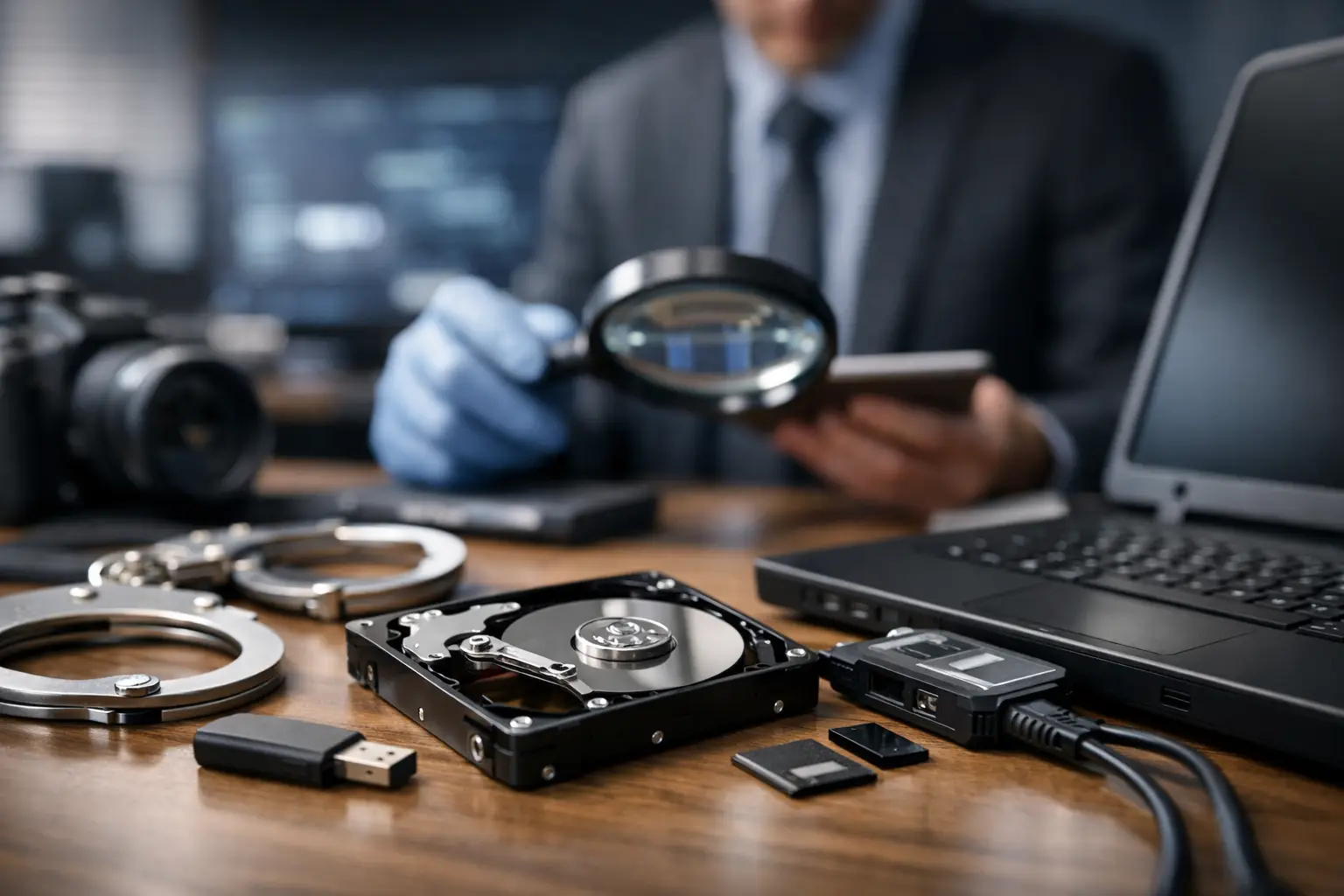
A deleted message, inaccessible laptop or damaged mobile phone can become central to a dispute with very little warning. In legal and investigative matters, data recovery is not simply about getting files back. The priority is to recover potentially relevant material without altering it, document every action taken, and produce findings that can be tested by the court, the opposing party or an internal investigation.
That distinction matters. A conventional repair shop may be able to make a device usable again. A forensic examiner must preserve the original evidence, establish what was present, explain how it was recovered, and distinguish fact from interpretation. Where digital material may influence a prosecution, civil claim, employment dispute or family matter, the method is as important as the result.
What forensic data recovery is designed to achieve
Forensic data recovery is the controlled extraction of data that is deleted, damaged, inaccessible or no longer visible through normal use. It may concern documents from a failed hard drive, deleted WhatsApp messages, photographs from a formatted memory card, browser activity, email attachments, cloud-synchronised content or records held within application databases.
The work begins by identifying the evidential question. Is the issue whether a document existed? Whether it was accessed or transferred? Whether messages were deleted after a particular event? Whether a device contains traces of unauthorised activity? Defining the question helps ensure the examination is proportionate, targeted and capable of addressing the issues in dispute.
A forensic process normally works from a verified forensic copy rather than the original device wherever possible. Examiners calculate cryptographic hash values to demonstrate that the acquired data has not changed. They maintain an auditable record of receipt, handling, acquisition, recovery methods and findings. This creates the chain of custody needed to show that material presented later is the same material obtained at the outset.
Why ordinary recovery can undermine evidence
Many devices change the moment they are switched on. An operating system may update logs, overwrite temporary data, connect to online accounts or synchronise content. Opening a document can amend access records. Installing recovery software directly onto a drive can overwrite the very deleted data that needs to be examined.
These risks do not mean data cannot be recovered. They mean early handling requires discipline. If the device may be relevant to proceedings, avoid repeated attempts to log in, repair it, update it or run consumer recovery tools. Record who found it, where it was found, its condition and any actions already taken. Keep associated chargers, storage media and written passwords or recovery details where they can be preserved securely.
There are circumstances in which urgent business continuity work is necessary, such as a failed server supporting live operations. In that case, the appropriate approach may be to preserve the original media or obtain a forensic image before remedial work begins. The balance between continuity and evidence preservation should be made consciously, with a clear record of the decision.
Data recovery from common sources
Computers, hard drives and removable media
On computers and external storage, deletion often removes the file system reference rather than immediately erasing the underlying content. Depending on how the device has been used since deletion, an examiner may recover intact files, fragments, folder structures, metadata and traces of user activity. File carving can identify material by its internal structure even where a filename or directory entry no longer survives.
The prospects vary significantly. A mechanically damaged hard disk may require specialist treatment before any acquisition is possible. A solid-state drive can be more difficult because TRIM and garbage collection may clear deleted blocks quickly. Encryption, overwritten sectors and physical failure can also limit recovery. A defensible report should explain those limitations rather than imply certainty where none exists.
Mobile phones and tablets
Modern mobile devices often contain the most significant evidence in an investigation: communications, call history, location artefacts, images, application data, account details and deleted records. They are also technically complex. Device model, operating system version, encryption state, lock status, available access credentials and app behaviour all affect what can be acquired and recovered.
A phone that appears to contain nothing of relevance may still hold residual data in application databases, notification records, media caches or system artefacts. Equally, an absence of recovered content does not prove an event did not occur. Data may have been overwritten, encrypted, retained only in the cloud, stored on another device or removed by an app’s own retention processes. Careful wording is essential when reporting both positive and negative findings.
Cloud-linked accounts and synchronised data
A device is increasingly only part of the evidential picture. Email, photographs, documents and message backups may be held in cloud accounts or synchronised across several devices. Accessing those sources requires particular care. Questions of authority, privacy, proportionality, disclosure obligations and preservation all need consideration, especially where third-party or corporate data may be involved.
For a business investigation, preserving relevant account information promptly can be critical. Retention settings, remote deletion, account changes and automatic synchronisation can affect what remains available. For legal teams, early advice helps identify whether preservation steps, disclosure requests or a targeted forensic collection are required.
The difference between recovery and interpretation
Recovered data does not speak for itself. A filename may suggest one thing while metadata, timestamps, system configuration or surrounding activity show another. Timestamps can reflect creation, modification, copying, download, synchronisation or backup activity. They may also be affected by clock settings, time zones and software behaviour.
This is why forensic examination should separate recovered artefacts from conclusions drawn from them. A transparent report identifies the source of a finding, the method used, the limitations encountered and the degree to which the evidence supports a proposed account. It should not overstate what a deleted fragment, a cached image or a single timestamp can prove.
In contested matters, this approach protects both sides. It allows solicitors and counsel to understand the evidential weight of the material before relying on it, and it enables an independent expert to explain the work under cross-examination if required.
A practical response when data may matter
The first hours after discovery can determine whether valuable evidence is preserved. A proportionate response usually involves securing the device or storage media, recording its condition and provenance, and preventing unnecessary use. Do not assume that a device is blank, broken beyond recovery or irrelevant because its owner says so.
Where there is a risk of remote access or deletion, the position needs assessing quickly. Network isolation can prevent further synchronisation, but it may also affect live volatile evidence or device behaviour. The correct action depends on the device, the allegation and the immediate risk. A considered forensic strategy is preferable to an improvised technical intervention.
Legal teams should also consider the scope of the examination at an early stage. An overly broad search can create unnecessary privacy and disclosure issues; an unduly narrow search can miss material that later becomes important. Search terms, date ranges, custodians, file types and relevant applications should be linked to the pleaded case or investigation objectives wherever possible.
Computer Forensics Lab approaches recovery as an evidential process: preserving original material, examining verified copies, documenting methods and presenting relevant findings in clear, court-ready reporting. That approach is particularly valuable where opposing experts, regulatory scrutiny or disclosure obligations are likely.
What a defensible report should address
A useful forensic report does more than attach recovered files. It should identify the items received, their condition, the acquisition method, the software or techniques used, relevant hash values and the recovery outcomes. It should explain material limitations, including damage, encryption, inaccessible areas, overwritten data or the absence of required credentials.
The report should also set out findings in language the court and instructing parties can follow. Technical detail remains necessary, but it should support a clear evidential narrative: what was found, where it was found, what it may indicate and what it cannot establish. Where appropriate, underlying exhibits and schedules can allow the parties to review the recovered material without confusing raw output with expert opinion.
When data may decide a case, the safest first step is rarely to try another password, download another recovery tool or ask an IT colleague to investigate. Preserve the position, define the evidential question and obtain specialist advice before recoverable material becomes altered, overwritten or difficult to explain.