

Every cybercrime case can hinge on whether scientific evidence is presented clearly and convincingly in court. For litigation paralegals across London law firms, understanding the role of forensic science within legal proceedings is essential for building robust arguments and challenging opposing claims. This article highlights how digital forensics transforms intricate data into actionable insights, supporting your legal team with reliable, unbiased evidence that meets judicial standards and withstands meticulous scrutiny.
Table of Contents
- Forensics In Litigation: Purpose And Scope
- Key Types Of Forensic Evidence Used
- Admissibility And Legal Standards Explained
- Expert Witnesses And Their Responsibilities
- Risks, Pitfalls, And Quality Assurance
Key Takeaways
| Point | Details |
|---|---|
| Forensic Science’s Role | Forensic science is vital in legal proceedings, transforming scientific analyses into narratives that aid judicial comprehensibility. |
| Types of Forensic Evidence | Various categories of forensic evidence, such as physical, biological, chemical, and digital, each require specialised handling and interpretation for effective legal application. |
| Admissibility Standards | The Frye and Daubert standards dictate the criteria for admitting forensic evidence in court, prioritising scientific reliability and thorough evaluation. |
| Expert Witnesses’ Responsibilities | Expert witnesses must provide unbiased analyses, communicate complex evidence effectively, and uphold ethical standards throughout legal proceedings. |
Forensics in Litigation: Purpose and Scope
Forensic science represents a critical interface between scientific methodology and legal proceedings, serving as an essential mechanism for uncovering truth through rigorous investigative techniques. Scientific evidence application in legal frameworks demonstrates how forensic experts transform complex scientific analysis into comprehensible legal narratives that support judicial decision-making.
The purpose of forensic science in litigation extends far beyond simple evidence collection. Forensic professionals systematically gather, analyse, and interpret scientific evidence across multiple domains – from crime scene investigation to laboratory analysis. Their work provides independent, unbiased insights that help courts understand intricate technical details, corroborate facts, and establish reliable narrative reconstructions of events. Whether addressing criminal prosecutions or civil disputes, forensic experts employ sophisticated scientific protocols to transform raw data into compelling legal arguments.
The scope of forensic work in litigation is remarkably diverse, encompassing disciplines such as digital forensics, DNA analysis, trace evidence examination, ballistics, toxicology, and computer forensics. Each specialisation brings unique methodological approaches to evidence interpretation. Litigation teams rely on these forensic experts to provide scientifically validated insights that can definitively support or challenge claims, ensuring that legal proceedings are grounded in objective, empirically verifiable information.
Pro Tip: When preparing forensic evidence for litigation, always maintain meticulous documentation and chain of custody to ensure the scientific integrity and admissibility of your findings.
Key Types of Forensic Evidence Used
Forensic evidence represents a sophisticated arsenal of investigative techniques that transform scientific analysis into legal insights. Forensic artifacts provide critical evidentiary foundations by systematically documenting and interpreting scientific information across multiple domains. These diverse evidence types serve as crucial mechanisms for establishing factual narratives in both criminal and civil legal proceedings.
The primary categories of forensic evidence encompass physical, biological, chemical, and digital artifacts. Physical evidence includes fingerprints, trace materials, ballistic profiles, and crime scene reconstructions. Biological evidence centres on DNA analysis, bodily fluids, and genetic markers that can definitively link suspects to specific locations or events. Chemical evidence involves toxicology reports, residue analysis, and substance identification, while digital evidence captures electronic data from computers, mobile devices, and network systems. Each evidence type requires specialised collection, preservation, and interpretation protocols to maintain scientific integrity.
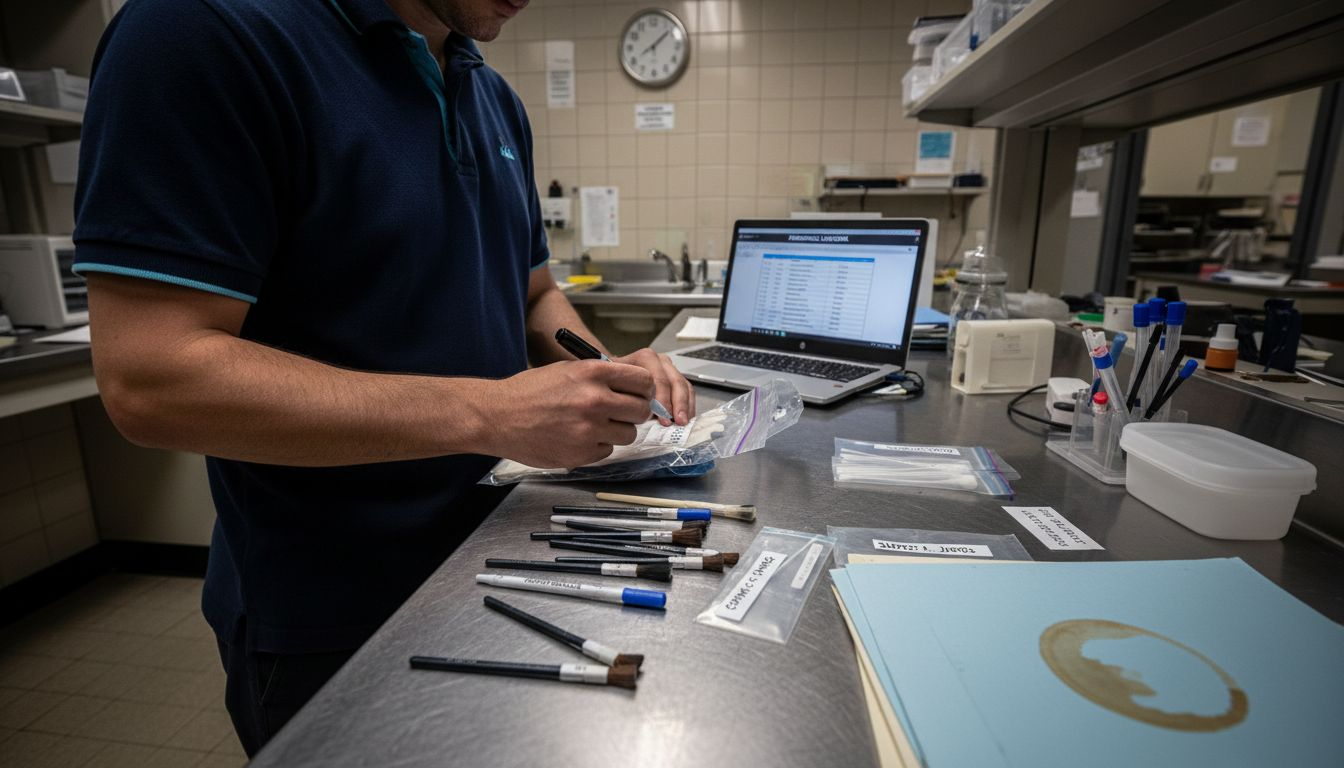
The forensic landscape continues to evolve, with emerging technologies expanding the potential for sophisticated evidence gathering. Advanced techniques like digital forensics now enable investigators to reconstruct complex digital interactions, recover deleted data, and trace electronic communications. This technological progression allows legal professionals to access previously unattainable insights, transforming how investigations are conducted and how judicial decisions are informed. The interdisciplinary nature of forensic science means that experts must continuously adapt their methodological approaches to leverage cutting-edge scientific capabilities.
Here is a summary comparing major forensic evidence types and their primary legal applications:
| Evidence Type | Collection Method | Typical Legal Use | Key Strength |
|---|---|---|---|
| Physical | Scene examination, lifting | Linking objects to events | High reliability |
| Biological | Swabbing, sample extraction | Identifying individuals | Definite links |
| Chemical | Chemical analysis, testing | Determining substance origins | Accurate identification |
| Digital | Data retrieval, imaging | Reconstructing digital actions | Detailed timelines |
Pro Tip: Always document the precise chain of custody for forensic evidence, ensuring each piece of evidence can be tracked from collection through analysis to courtroom presentation.
Admissibility and Legal Standards Explained
Legal admissibility of forensic evidence represents a complex framework that demands rigorous scientific validation and judicial scrutiny. Forensic evidence legal standards establish critical parameters for scientific techniques to be considered acceptable within courtroom proceedings, ensuring that only reliable and scientifically sound methodologies influence judicial outcomes.
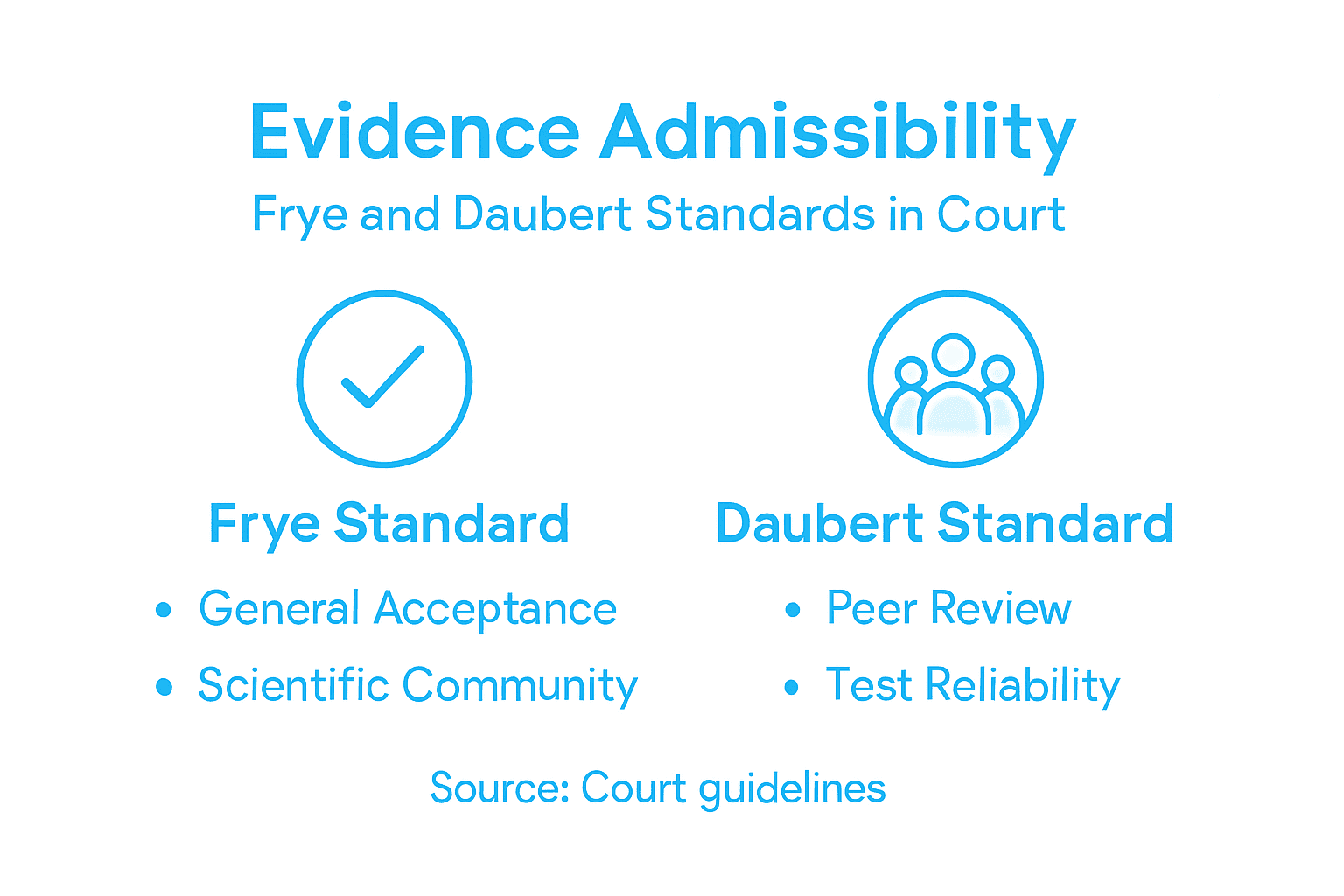
Two primary legal standards govern forensic evidence admissibility: the Frye standard and the Daubert standard. The Frye standard requires that scientific techniques demonstrate widespread acceptance within the relevant scientific community, essentially validating methods through professional consensus. In contrast, the Daubert standard provides a more nuanced approach, empowering judges to critically evaluate scientific evidence based on multiple criteria, including empirical testability, peer-reviewed research, known error rates, and maintained scientific standards. This approach allows for more flexible and sophisticated assessment of emerging forensic technologies.
To clarify admissibility standards, here is a brief comparison of Frye and Daubert legal frameworks:
| Standard | Main Criteria | Jurisdiction Application | Benefit to Court |
|---|---|---|---|
| Frye | General acceptance by experts | Some U.S. states, globally | Community validation |
| Daubert | Empirical testability, peer review | Federal and many state courts | Flexible, thorough review |
The admissibility process involves comprehensive scrutiny of forensic methodologies, with courts carefully examining the scientific validity, reliability, and potential bias of presented evidence. Forensic experts must demonstrate not just technical competence but also the ability to communicate complex scientific findings in ways that judges and juries can comprehend. This necessitates a multidisciplinary approach that combines rigorous scientific training with exceptional communication skills. Different jurisdictions may apply varying standards, but the fundamental objective remains consistent: ensuring that forensic evidence provides genuine, unbiased insights that genuinely advance the pursuit of judicial truth.

Pro Tip: Forensic experts should meticulously document their methodological processes, maintain transparent research records, and be prepared to explain complex scientific techniques in clear, accessible language.
Expert Witnesses and Their Responsibilities
Expert witnesses form a critical bridge between complex scientific methodologies and legal comprehension, translating intricate technical evidence into accessible courtroom narratives. Expert witness roles in forensic trials demand an extraordinary blend of specialised knowledge, communication skills, and unwavering professional integrity.
The primary responsibilities of expert witnesses encompass several key dimensions. First, they must provide objective, impartial analysis that transcends partisan interests, focusing solely on presenting scientifically validated findings. This involves preparing comprehensive written reports that meticulously document forensic methodologies, analysis processes, and conclusions. During court proceedings, expert witnesses must articulate complex technical concepts in clear, understandable language, enabling judges and juries to grasp nuanced scientific evidence without becoming overwhelmed by technical jargon. Their testimony should illuminate rather than complicate, providing transparent insights that facilitate judicial understanding.
Beyond courtroom testimony, expert witnesses bear significant ethical responsibilities. They are legally and professionally obligated to maintain absolute neutrality, disclosing any potential conflicts of interest or factors that might compromise their credibility. This includes revealing methodological limitations, potential error rates in their scientific techniques, and acknowledging the boundaries of their expertise. Successful expert witnesses must continually update their knowledge, stay current with emerging scientific developments, and demonstrate a commitment to intellectual honesty that transcends individual case outcomes. Their ultimate allegiance is to scientific truth and the pursuit of justice, not to the legal team that has engaged their services.
Pro Tip: Develop a comprehensive portfolio documenting your forensic methodology, maintain meticulous research records, and practise explaining complex scientific concepts in clear, accessible language.
Risks, Pitfalls, and Quality Assurance
Forensic investigations operate in a complex landscape where scientific precision intersects with legal scrutiny, demanding extraordinary rigour and systematic risk management. Quality management in forensic science requires a multifaceted approach that anticipates and mitigates potential errors and methodological vulnerabilities.
The primary risks in forensic investigations stem from multiple interconnected factors. Human error represents the most significant potential compromise, with individual biases, fatigue, and inconsistent procedural adherence potentially undermining evidential integrity. Technical challenges include data contamination, improper evidence handling, insufficient preservation techniques, and technological limitations that can introduce unintended distortions. Digital forensics, in particular, confronts unique challenges such as rapidly evolving technological landscapes, complex data encryption, and the inherent fragility of electronic evidence. Forensic professionals must develop sophisticated strategies to counteract these risks, implementing rigorous validation protocols, continuous training, and systematic quality control mechanisms.
Quality assurance in forensic science demands comprehensive, multilayered approaches. Adherence to internationally recognised standards like ISO/IEC 17025 provides a foundational framework for maintaining evidentiary reliability. This involves establishing clear procedural guidelines, implementing regular independent audits, maintaining meticulous documentation, and developing robust verification processes. Emerging technologies such as artificial intelligence and blockchain offer promising innovations for evidence tracking, verification, and integrity monitoring. Successful quality assurance integrates technological solutions with human expertise, creating a dynamic, adaptive system that can respond to evolving investigative challenges.
Pro Tip: Develop a comprehensive quality management system that combines standardised procedures, continuous professional development, and technological innovation to minimise forensic investigation risks.
Strengthen Your Case with Expert Forensic Solutions
The article highlights the critical challenge of ensuring forensic evidence is reliable, scientifically validated and legally admissible throughout litigation. Pain points such as maintaining a secure chain of custody, accurately interpreting complex digital data and providing clear expert testimony are crucial to achieving credible outcomes in court. If you are seeking to overcome these hurdles with confidence, partnering with specialists who understand these exact concerns can make all the difference.
At Computer Forensics Lab, we specialise in delivering expert forensic science services tailored to the demands of modern litigation. From meticulous Chain of Custody Tracking to advanced Computer Forensics techniques, our team provides objective, legally defensible evidence that supports your case with clarity and precision. Do not leave your evidence to chance. Visit our website today to secure reliable forensic assistance that empowers your legal strategy and ensures integrity from collection to courtroom.
Frequently Asked Questions
What is the role of forensic science in litigation?
Forensic science plays a crucial role in litigation by systematically gathering, analysing, and interpreting scientific evidence. It helps to create clear narratives that support judicial decision-making in both criminal and civil cases.
What types of forensic evidence are commonly used in legal proceedings?
Common types of forensic evidence include physical evidence (like fingerprints and ballistic profiles), biological evidence (such as DNA), chemical evidence (toxicology reports), and digital evidence (electronic data from devices). Each type offers unique insights pertinent to legal cases.
How do the Frye and Daubert standards differ regarding forensic evidence admissibility?
The Frye standard requires that scientific techniques be widely accepted within the relevant scientific community, while the Daubert standard allows judges to evaluate evidence based on criteria like empirical testability and peer-reviewed research, offering a more flexible assessment of emerging technologies.
What responsibilities do expert witnesses have in forensic cases?
Expert witnesses are responsible for providing objective, impartial analysis of forensic evidence, preparing detailed reports, articulating complex concepts clearly in court, and maintaining ethical standards by disclosing potential conflicts of interest and acknowledging the limits of their expertise.