
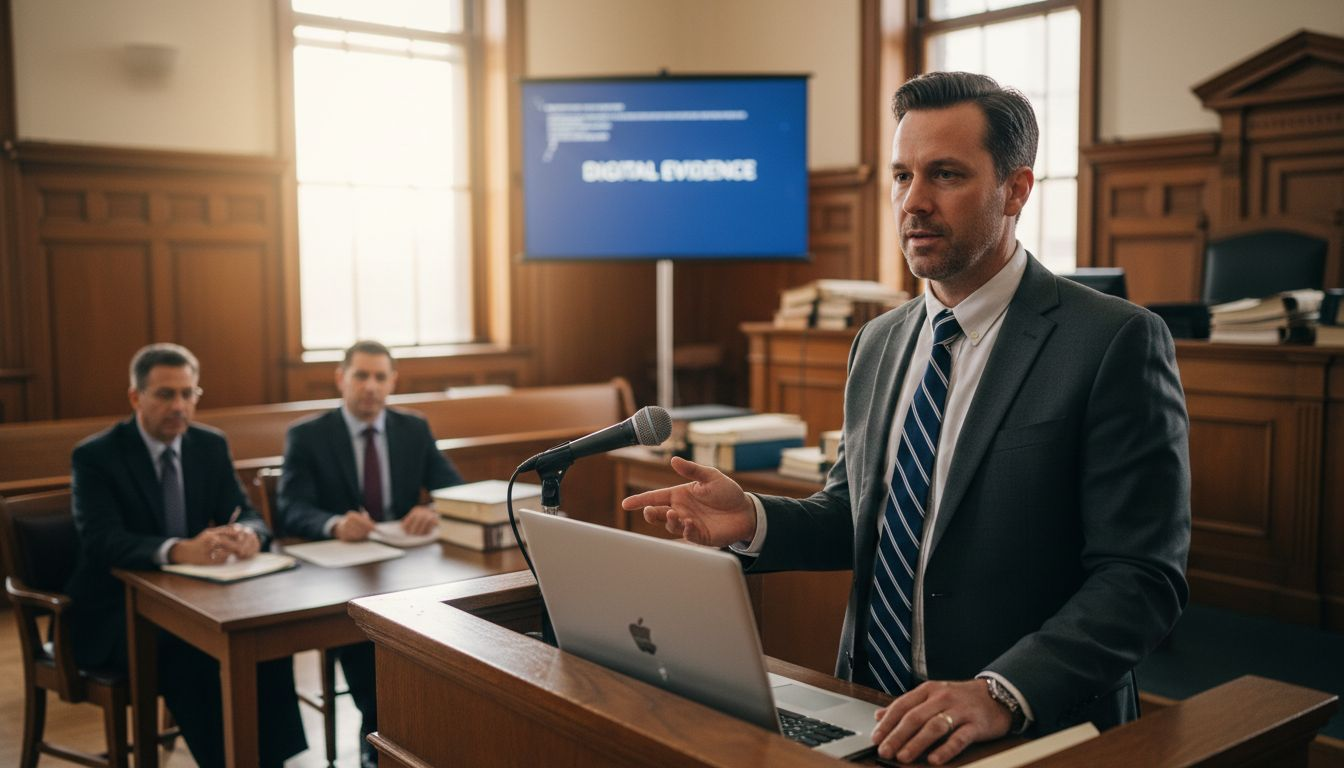
Cybercrime trials in London often hinge on interpreting evidence far beyond everyday knowledge. When technical complexities arise, the role of forensic testimony becomes indispensable for criminal lawyers seeking to fortify their arguments. Expert witnesses translate intricate digital findings and ensure technical procedures meet rigorous legal standards, offering clarity that can determine the strength of a case. Understanding the differences between fact and expert witnesses, and the requirements for presenting credible forensic testimony, is vital for advancing robust cybercrime defences.
Table of Contents
- Defining Forensic Testimony In Criminal Cases
- Types Of Digital Forensic Testimony Presented
- Legal Standards And Admissibility Requirements
- Responsibilities And Challenges For Expert Witnesses
- Common Pitfalls And How To Avoid Them
Key Takeaways
| Point | Details |
|---|---|
| Importance of Forensic Testimony | Forensic testimony is vital for translating complex scientific evidence into understandable legal concepts for judges and juries. |
| Distinction Between Witness Types | Understanding the difference between fact witnesses and expert witnesses is essential for proper evidence presentation in court. |
| Rigorous Documentation Practices | Maintaining meticulous documentation and a clear chain of custody is critical for the admissibility and integrity of digital evidence. |
| Continuous Professional Development | Forensic experts must engage in ongoing learning to stay abreast of evolving technologies and legal standards related to their field. |
Defining Forensic Testimony in Criminal Cases
Forensic testimony represents a critical element in criminal proceedings, providing expert insights that bridge complex scientific evidence with legal comprehension. In essence, forensic testimony involves specialised expert witnesses who interpret technical findings for judicial understanding. Expert witnesses in digital forensics play a particularly nuanced role in translating intricate technological evidence into comprehensible legal narratives.
At its core, forensic testimony differentiates fundamentally between two distinct witness categories: fact witnesses and expert witnesses. Fact witnesses provide direct observations of events, whereas expert witnesses offer professional interpretations based on specialised knowledge and scientific analysis. These experts possess advanced qualifications enabling them to explain complex technical matters beyond typical courtroom comprehension.
The following table summarises the main differences between fact witnesses and expert witnesses in the context of forensic testimony:
| Aspect | Fact Witness | Expert Witness |
|---|---|---|
| Source of Knowledge | Personal experience | Specialised expertise |
| Role in Court | Report observed facts | Interpret technical evidence |
| Qualification Requirement | None specific | Advanced professional credentials |
| Scope of Testimony | Direct observations only | Professional opinions and analysis |
| Example | Bystander at scene | Digital forensics specialist |
The primary functions of forensic testimony encompass several critical objectives:
- Clarifying technical evidence for judges and juries
- Establishing scientific credibility of investigative findings
- Providing professional interpretations of complex data
- Supporting legal arguments through rigorous scientific methodology
- Ensuring transparency in evidence presentation
Forensic expert testimony demands extraordinary precision. Experts must communicate their findings with absolute clarity, ensuring that technical complexities do not obscure fundamental legal questions. Their testimony must withstand intense cross-examination, requiring comprehensive documentation and unimpeachable professional credentials.
Pro-tip: When preparing forensic testimony, meticulously document every analytical step and maintain absolute objectivity to enhance credibility and legal effectiveness.
Types of Digital Forensic Testimony Presented
Digital forensic testimony encompasses multiple sophisticated disciplines, each addressing unique technological evidence critical to cybercrime investigations. Digital forensics in litigation requires expert witnesses to demonstrate profound understanding of various evidence collection and analysis methodologies across different digital platforms.
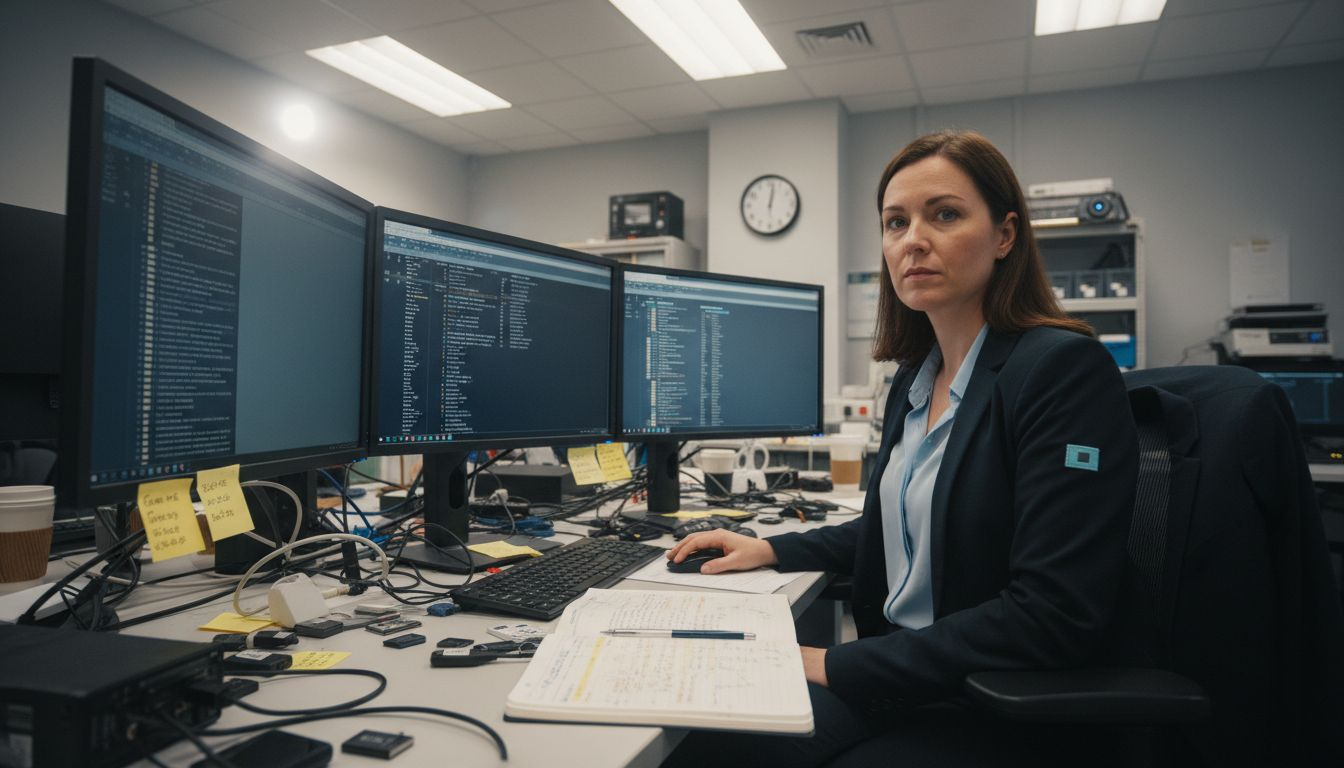
The primary categories of digital forensic testimony include several specialised domains, each targeting specific technological environments and evidence types:
Here is a concise reference table outlining the focus areas and typical evidence analysed in key digital forensic disciplines:
| Discipline | Main Focus | Common Evidence Analysed |
|---|---|---|
| Computer Forensics | Computer systems | Hard drives, files, metadata |
| Network Forensics | Digital communication | Network logs, packet data |
| Mobile Forensics | Portables devices | Texts, app data, call logs |
| Image & Video Forensics | Multimedia verification | Photos, videos, metadata |
| Memory Forensics | Active system memory | RAM content, volatile data |
- Computer Forensics: Analysing data storage systems, hard drives, and computer media
- Network Forensics: Examining network traffic, logs, and communication protocols
- Mobile Device Forensics: Investigating evidence from smartphones, tablets, and portable devices
- Digital Image and Video Forensics: Authenticating and analysing multimedia content
- Memory Forensics: Recovering and interpreting active computer memory data
Each forensic discipline demands rigorous technical expertise and meticulous documentation. Experts must not only understand the technological intricacies but also effectively communicate complex findings in a manner comprehensible to legal professionals who may lack advanced technical knowledge.
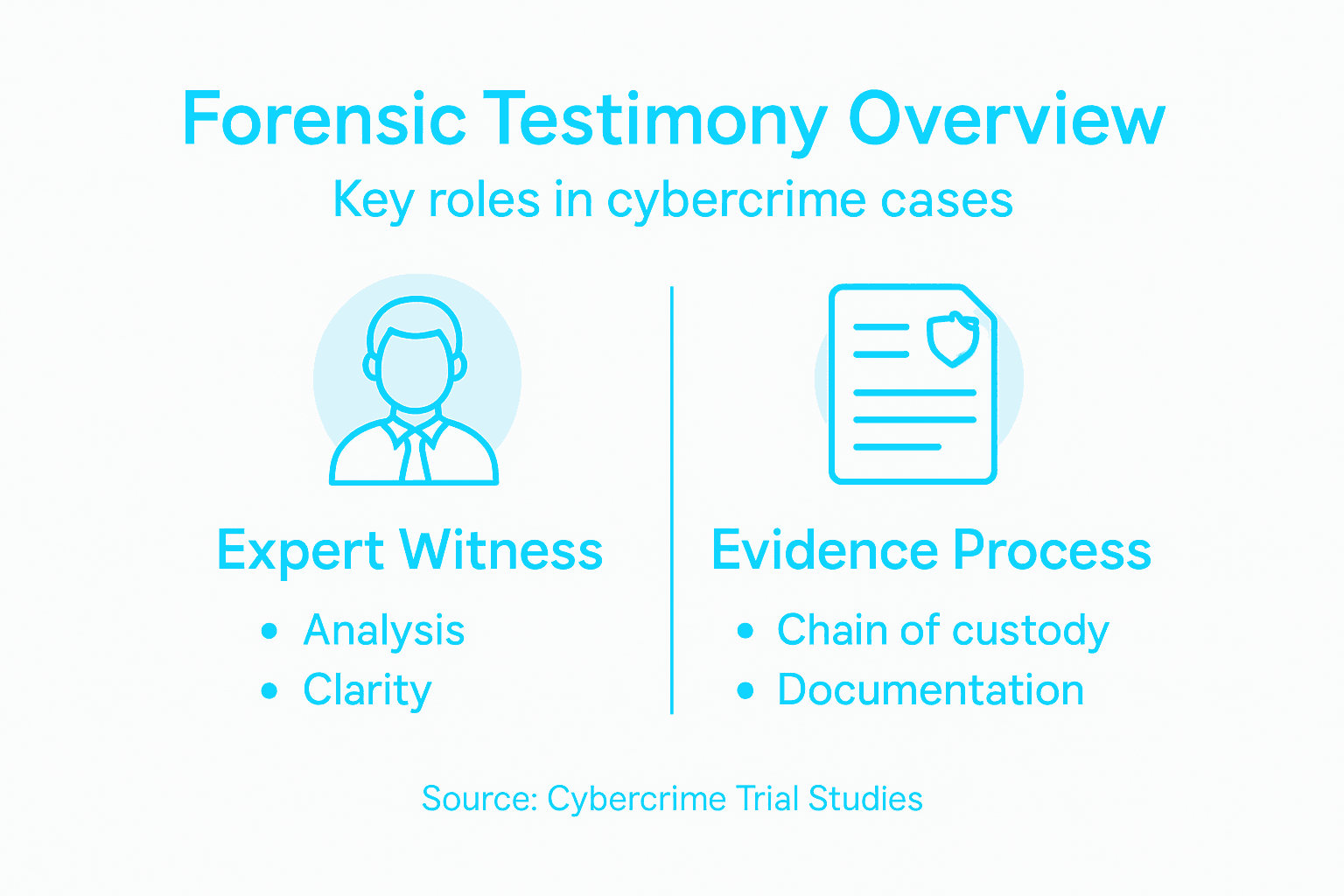

The evidentiary value of digital forensic testimony hinges on the expert’s ability to establish a clear, unbroken chain of evidence, demonstrating the integrity and authenticity of digital artifacts. This requires comprehensive documentation, repeatable methodologies, and transparent analytical processes that can withstand intense judicial scrutiny.
Pro-tip: Develop a systematic approach to evidence documentation that clearly illustrates each analytical step, ensuring reproducibility and credibility of your forensic findings.
Legal Standards and Admissibility Requirements
Digital forensic testimony must navigate a complex landscape of legal standards that rigorously assess the admissibility and credibility of technological evidence. Digital evidence admissibility assessment involves multiple critical evaluation criteria that determine whether digital artifacts can be presented in court proceedings.
The fundamental legal requirements for digital forensic testimony centre on several key dimensions:
- Legal Authorization: Obtaining appropriate search warrants and legal permissions
- Evidence Collection Methodology: Using validated forensic techniques
- Chain of Custody: Maintaining comprehensive documentation of evidence handling
- Relevance: Demonstrating direct connection to the legal matter
- Authenticity: Proving the integrity and origin of digital evidence
Courts apply stringent scrutiny to digital evidence, examining not just the content but the entire process of evidence extraction, preservation, and analysis. Forensic experts must be prepared to substantiate every technical procedure, showing that their methodologies are scientifically sound, repeatable, and compliant with established legal protocols.
Privacy regulations such as GDPR and CCPA add additional layers of complexity to digital forensic testimony. Investigators must balance thorough evidence collection with strict privacy protections, ensuring that digital investigations respect individual rights while maintaining the evidentiary integrity required for successful legal proceedings.
Pro-tip: Always document each step of your forensic investigation meticulously, creating a transparent and defensible record that can withstand rigorous legal examination.
Responsibilities and Challenges for Expert Witnesses
Forensic expert witnesses occupy a critical intersection between technological complexity and legal proceedings, requiring an extraordinary blend of technical expertise and communicative precision. Expert testimony in digital forensics demands sophisticated skills that extend far beyond traditional technical analysis.
The core responsibilities of digital forensic expert witnesses encompass several fundamental dimensions:
- Technical Interpretation: Translating complex digital evidence into comprehensible language
- Methodological Transparency: Explaining forensic collection and analysis procedures
- Ethical Objectivity: Maintaining impartiality and professional integrity
- Continuous Learning: Staying updated with rapidly evolving technological landscapes
- Legal Compliance: Ensuring forensic practices meet rigorous judicial standards
Navigating the intricate challenges of expert witness testimony requires exceptional preparation and adaptability. Experts must anticipate potential cross-examination strategies, understand the nuanced legal context of their findings, and communicate technical details with absolute clarity and precision. The ability to respond confidently to challenging questions while maintaining scientific credibility becomes paramount.
The technological domain of digital forensics presents unique professional challenges, including managing the rapid pace of technological change, maintaining neutrality under intense scrutiny, and bridging complex technical concepts with legal requirements. Expert witnesses must continuously validate their methodologies, document their processes meticulously, and demonstrate unwavering commitment to scientific principles.
Pro-tip: Develop a comprehensive personal training strategy that includes regular technological updates, legal procedure refreshers, and communication skill enhancement to remain an authoritative and effective expert witness.
Common Pitfalls and How to Avoid Them
Forensic testimony involves navigating complex legal and technical landscapes where seemingly minor errors can catastrophically undermine an entire case. Preparing forensic expert witness reports requires meticulous attention to detail and strategic preparation to mitigate potential risks.
The most prevalent pitfalls for digital forensic expert witnesses include:
- Technical Overcomplication: Using unnecessarily complex technical jargon
- Insufficient Documentation: Failing to maintain comprehensive evidence logs
- Bias Perception: Appearing subjective or predetermined in conclusions
- Outdated Methodologies: Using obsolete forensic investigation techniques
- Incomplete Chain of Custody: Inadequate tracking of digital evidence
Communication represents a critical vulnerability for many expert witnesses. The ability to translate intricate technical findings into clear, comprehensible language determines the credibility and impact of forensic testimony. Experts must strike a delicate balance between technical precision and accessibility, ensuring that judges and juries can understand complex digital evidence without feeling overwhelmed by technical minutiae.
Legal proceedings demand rigorous analytical standards that extend beyond technical competence. Expert witnesses must anticipate potential challenges, prepare comprehensive explanations for their methodologies, and demonstrate unwavering professional integrity. This requires continuous professional development, staying updated with emerging technological trends, and maintaining a disciplined approach to evidence collection and interpretation.
Pro-tip: Develop a systematic pre-testimony review process that critically examines your evidence, methodology, and potential communication challenges to proactively identify and mitigate potential weaknesses.
Strengthen Your Cybercrime Trials with Trusted Forensic Testimony
Understanding the pivotal role of forensic testimony in cybercrime trials can transform the outcome of your case. The challenges of presenting complex digital evidence clearly and maintaining a rigorous chain of custody demand specialised expertise and unwavering professionalism. Key concerns such as establishing authenticity, providing objective expert interpretation, and navigating legal admissibility standards are crucial to securing justice.
At Computer Forensics Lab, we partner with legal professionals and law enforcement to deliver authoritative digital forensic services. Our accredited experts provide comprehensive Expert Witness support, ensuring concise, credible testimony that withstands intense scrutiny. With advanced techniques in Computer Forensics and adherence to forensic science principles, we create transparent evidence trails critical for courtroom success.
Don’t leave your case to chance. Connect with us today at Computer Forensics Lab and empower your cybercrime trials with clear, compelling forensic testimony that makes a decisive impact.
Frequently Asked Questions
What is forensic testimony in cybercrime trials?
Forensic testimony involves expert witnesses providing insights and interpretations of complex technical evidence related to cybercrime cases, ensuring that judges and juries understand the implications of digital evidence.
How do expert witnesses differ from fact witnesses in court?
Expert witnesses offer professional opinions based on specialised knowledge and analysis, whereas fact witnesses provide direct observations regarding events, without additional interpretation.
What are the main responsibilities of a digital forensic expert witness?
Digital forensic expert witnesses are responsible for interpreting technical evidence, maintaining methodological transparency, ensuring ethical objectivity, continuously learning about technology advancements, and complying with legal standards.
What challenges do forensic expert witnesses face in presenting their testimony?
Forensic expert witnesses face challenges such as managing the rapid pace of technological change, ensuring clear communication of complex concepts, and maintaining impartiality during cross-examinations.