
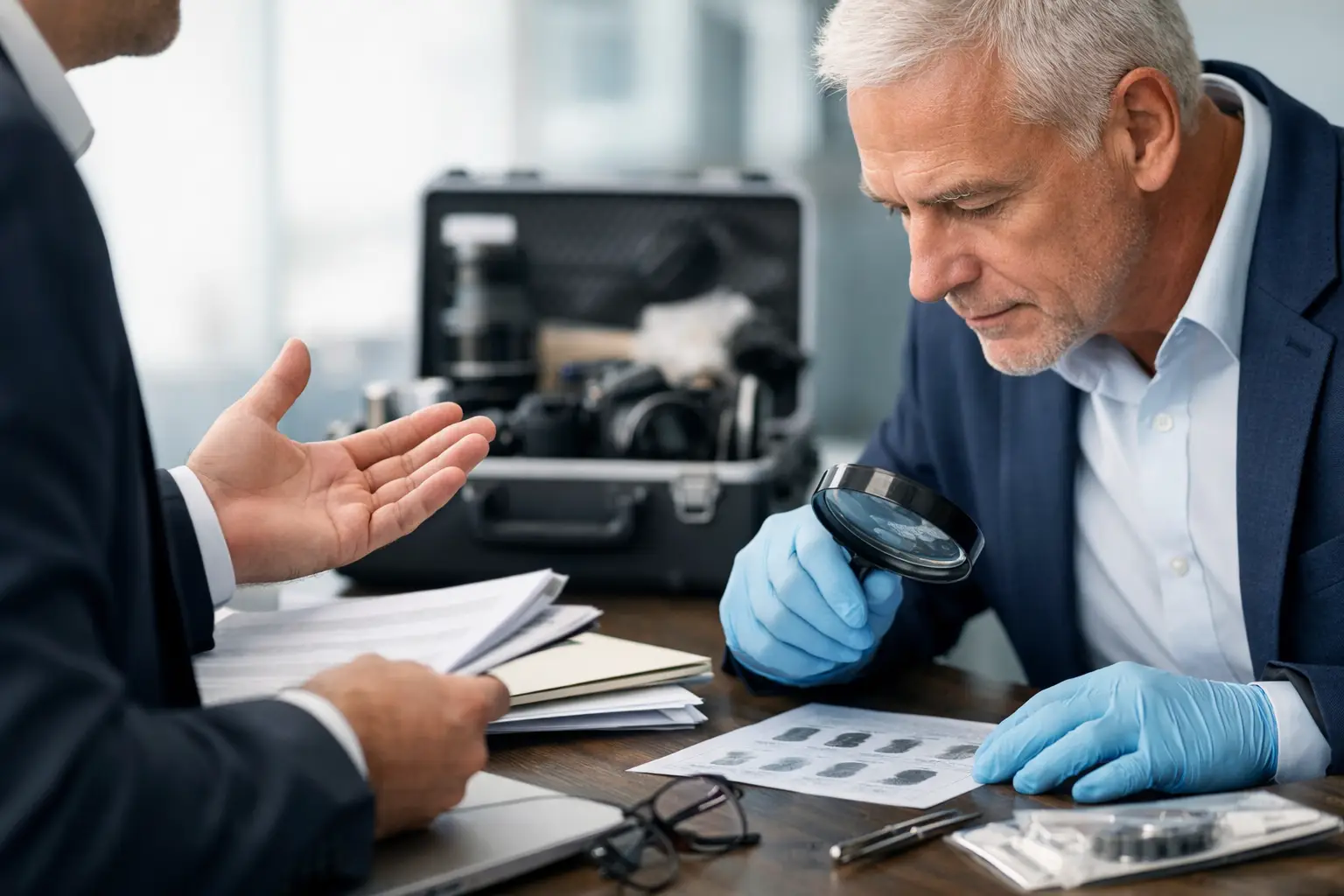
When a case turns on a phone, laptop, cloud account or deleted message trail, knowing how to instruct forensic expert support properly can affect both the evidence you recover and whether that evidence survives scrutiny. A poor instruction can widen cost, delay urgent preservation work, or leave the expert answering the wrong question. A precise instruction, by contrast, helps secure relevant digital material early, preserve integrity, and produce findings that are genuinely useful in proceedings.
For solicitors, in-house counsel, corporate investigators and private clients, the issue is rarely just technical. It is procedural. The expert must understand what is alleged, what devices or accounts exist, what legal forum applies, and what question they are being asked to answer. That sounds straightforward, but in practice many instructions arrive either too vague to be effective or too prescriptive to allow a proper forensic methodology.
Why careful instructions matter
A forensic expert is not there to “have a look” at a device in the manner of general IT support. Their role is to examine digital material in a way that preserves evidential integrity, maintains chain of custody and produces a transparent record of what was done, what was found and what the limits of the findings are.
That means the initial instruction letter or briefing note matters more than many clients expect. If the case concerns alleged employee misconduct, for example, the expert may need to preserve laptops, review USB usage, identify file transfer activity, and examine messaging data. If the issue is a family law dispute, the focus may be on location history, deleted communications or the authenticity of messages. If the matter is criminal, timing, continuity and disclosure obligations may be central from the outset.
The better the instruction, the less time is wasted correcting course later. It also reduces the risk of evidential contamination, irrelevant work and avoidable disputes over proportionality.
How to instruct a forensic expert at the start of a case
The first step is to define the issue in dispute, not merely the device involved. “Please examine this iPhone” is not an adequate forensic question. “Please examine this iPhone to determine whether WhatsApp messages between X and Y were deleted between specific dates, and whether location or usage data supports presence at a named address” is far more useful.
A good instruction usually sets out five things clearly. It explains the nature of the proceedings or anticipated proceedings. It identifies the parties and the status of the instruction. It states the factual issues the expert is being asked to address. It identifies the devices, accounts or data sources potentially relevant. It also states any urgency, such as risk of remote wiping, employee departure, live business interruption or imminent hearing dates.
There is a balance to strike. An expert needs direction, but not a script. If the instruction is too narrow, relevant lines of enquiry may be unintentionally excluded. If it is too broad, the exercise may become expensive, slow and disproportionate. The right approach is to define the legal and evidential question while allowing the expert to advise on methodology and scope.
Provide context, not advocacy
A forensic expert should receive enough background to understand the dispute, but not in a way that pressures them towards a preferred result. Courts expect independence. An expert instructed by one side is still required to give an impartial opinion.
That is why the briefing should separate allegation from established fact. If a company suspects data theft, say so as a suspicion and explain the basis for it. If a party claims messages were fabricated, identify the disputed material and the reason for concern. Precise, neutral instructions help the expert remain focused on evidence rather than argument.
Identify the material that actually exists
Many delays begin with assumptions about what can be examined. Before instruction, it helps to establish what devices are available, who controls them, whether passwords are known, whether cloud backups exist, and whether consent, authority or court permission is required.
A desktop computer in an office, a company-issued handset, a personal tablet used for work, Microsoft 365 data, CCTV exports and third-party messaging platforms all raise different practical and legal considerations. The expert needs to know what is in scope and what access barriers may exist. If some material is held by another party, that should be stated early so the expert can advise on preservation or targeted requests.
Evidence preservation comes before analysis
In urgent matters, the most valuable instruction is often not “analyse everything” but “preserve first”. Digital evidence can change quickly. Devices may sync, overwrite logs, rotate backups or be remotely altered. Employees may leave. Relationships may break down. Systems may continue running.
A disciplined forensic approach starts with securing the evidence source in a defensible manner. That may involve imaging a hard drive, isolating a handset, preserving server logs, collecting cloud data, or documenting device condition and custody at the point of receipt. If preservation is mishandled, later analysis may still be possible, but the weight of the evidence can be weakened.
For that reason, one of the most important parts of how to instruct a forensic expert is telling them what needs immediate protection and what time pressures apply. If there is a hearing in two weeks, say so. If there is concern that a suspect still has access to systems, say so. Forensic priorities depend on timing.
Scope, proportionality and cost
No serious client wants an open-ended forensic exercise. Equally, no serious case benefits from an artificially narrow review that misses decisive evidence. Scope should therefore be framed around issues, date ranges, custodians, devices and likely data sources.
If the case value is modest, proportionality may require a staged approach. The expert might first preserve devices and carry out a triage review. Only if indicators are found would the instruction extend to deeper artefact analysis, deleted data recovery or a full expert report. In higher-value litigation or serious criminal defence work, broader examination may be justified from the outset.
An experienced expert should be able to advise on what is likely to be recoverable, what is speculative, and where cost is best deployed. That advice is part of the value of proper instruction. It prevents clients paying for technical work that does not answer the legal question.
What documents and information should you send?
Most forensic instructions are improved by attaching the right case materials at the start. That often includes pleadings or a summary of the dispute, relevant court directions, a chronology, schedules of devices or accounts, known passwords where lawful to share, and copies of disputed communications or screenshots.
If previous IT work has been carried out, disclose that too. A device that has already been accessed, repaired, reset or searched by an internal team may present evidential complications. It is far better for the expert to know that at the beginning than discover it halfway through an examination.
Where the matter concerns alleged hacking, insider activity or data exfiltration, network logs, endpoint alerts, HR material, access records and policy documents may also shape the forensic strategy. The key is relevance. Send enough for the expert to understand the problem, but not a bundle of undirected paperwork.
Expert report or investigator support?
Not every instruction requires a full CPR-compliant or criminal expert report at the outset. Sometimes a client needs early case assessment, preservation advice, or technical input to support an application, disclosure request or internal decision. In other matters, the expert is being instructed specifically to provide an independent opinion for court.
That distinction should be made early. Reporting obligations, format, timescale and even the nature of the examination can differ depending on whether the work is advisory, investigative or intended for formal expert evidence. If testimony may later be required, the work should be conducted from the start with that possibility in mind.
This is where specialist providers such as Computer Forensics Lab are often brought in early – not simply to extract data, but to ensure the process, documentation and reporting stand up when challenged.
Common mistakes when instructing a forensic expert
The most common mistake is waiting too long. By the time a client seeks help, devices may have been reused, accounts changed, logs expired or opportunities for preservation lost. The second is asking the wrong question, such as requesting a broad device search when the real issue is authorship, access, timing or deletion.
Another frequent problem is treating forensic work as if it were routine IT support. Forensic examination is not about convenience. It is about repeatability, transparency and evidential weight. A quick look by an internal technician may satisfy curiosity, but it can create disclosure issues or complicate later expert evidence.
There is also a risk in overloading the expert with advocacy. Strong cases are not built by telling the expert what they are expected to find. They are built by instructing clearly, preserving properly and allowing the evidence to speak.
A better way to approach the instruction
If you are considering how to instruct forensic expert support in a civil, criminal or corporate matter, start with the dispute, the evidence sources, and the decision you need the evidence to support. Be clear about urgency. Be realistic about what is known and unknown. Ask the expert to advise on scope where needed, rather than guessing at technical process.
The best instructions are precise without being restrictive, factual without being partisan, and urgent where urgency truly exists. That discipline at the start often determines whether the digital evidence later clarifies the case or becomes another issue to argue about.
When the stakes are high, the instruction is not paperwork. It is the first forensic step.