
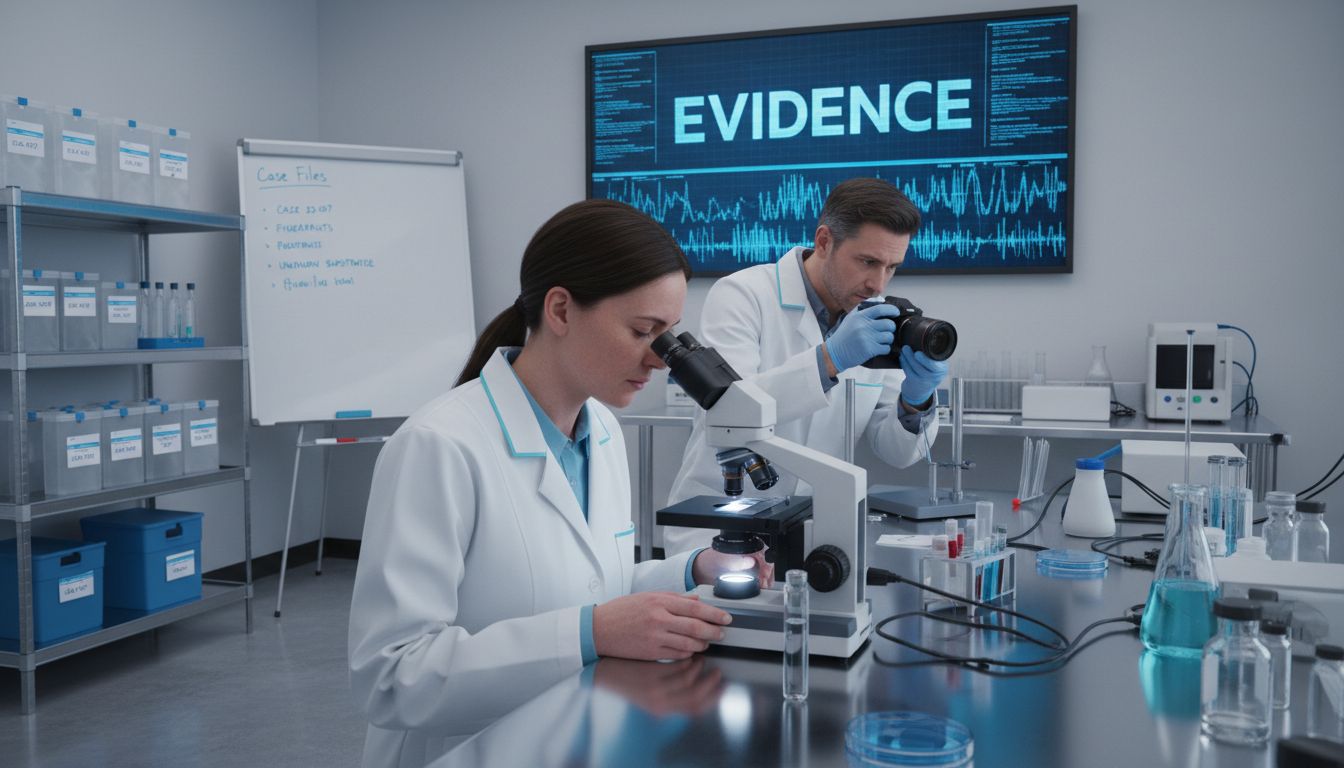
Forensic science stands at the centre of modern british law enforcement, driving investigations with methods that blend biology, chemistry, physics, and technology. Over 90 percent of criminal cases now depend on forensic evidence to uncover vital links and clarify complex events. Understanding how these scientific breakthroughs shape policing gives anyone interested in justice or safety a deeper look into the accuracy and impact of today’s legal investigations.
Table of Contents
- Defining Forensics In Law Enforcement Today
- Types Of Forensics Used By Police Agencies
- How Forensic Evidence Supports Investigations
- Legal Standards And Chain Of Custody Essentials
- Challenges, Risks, And Ethical Considerations In Forensics
Key Takeaways
| Point | Details |
|---|---|
| Forensic Science Multidisciplinary Approach | Forensic science combines biology, chemistry, and technology to analyse evidence with high precision, transforming criminal investigations. |
| Importance of Chain of Custody | Maintaining a strict chain of custody is essential for ensuring the integrity and legal admissibility of forensic evidence throughout investigations. |
| Advancement of Forensic Techniques | Modern forensic methods, including digital and trace evidence analysis, provide law enforcement with enhanced tools for solving crimes. |
| Ethical and Technological Challenges | Forensic professionals must navigate evolving challenges related to technology, ethics, and potential biases while upholding scientific integrity. |
Defining Forensics in Law Enforcement Today
Forensic science represents a sophisticated, multidisciplinary approach that transforms criminal investigations through rigorous scientific methodologies. Law enforcement agencies increasingly rely on forensic techniques to uncover critical evidence, decode complex crime scenes, and establish definitive links between suspects and criminal activities.
At its core, forensic science integrates multiple disciplines such as biology, chemistry, physics, and technology to analyse physical evidence with unprecedented precision. Forensic analysis processes enable investigators to reconstruct events, identify perpetrators, and provide objective scientific testimony that can withstand intense legal scrutiny. Modern forensic techniques range from DNA profiling and fingerprint analysis to digital forensics and trace evidence examination.
The evolution of forensic science has dramatically transformed criminal investigations, shifting investigative paradigms from purely observational approaches to data-driven, scientifically validated methodologies. Forensic experts now utilise advanced technologies like spectrometry, electron microscopy, and computational analysis to extract minute details that traditional investigative techniques would have overlooked. By systematically collecting, preserving, and analysing physical evidence, forensic scientists provide law enforcement with critical insights that can conclusively solve complex criminal cases and support judicial processes.
Critical to understanding forensic science is recognising its fundamental purpose: converting physical evidence into legally admissible, scientifically robust information. Essential forensic analysis techniques allow investigators to bridge the gap between physical crime scenes and courtroom narratives, transforming raw scientific data into compelling legal arguments that can determine guilt or innocence with unprecedented accuracy.
Types of Forensics Used by Police Agencies
Forensic science encompasses a wide range of specialised investigative techniques that enable law enforcement agencies to collect, analyse, and interpret critical evidence across multiple domains. The complexity of modern criminal investigations demands a diverse toolkit of forensic disciplines, each designed to uncover specific types of scientific insights.
Traditional forensic disciplines include ballistics, which examines firearm-related evidence, and trace evidence analysis, which scrutinises microscopic materials like fibres, hair, and soil. Top digital forensics techniques have emerged as particularly crucial in contemporary investigations, allowing police to extract and analyse digital evidence from computers, smartphones, and network systems. These techniques enable investigators to reconstruct digital activities, track communication patterns, and uncover electronic trails that might otherwise remain hidden.
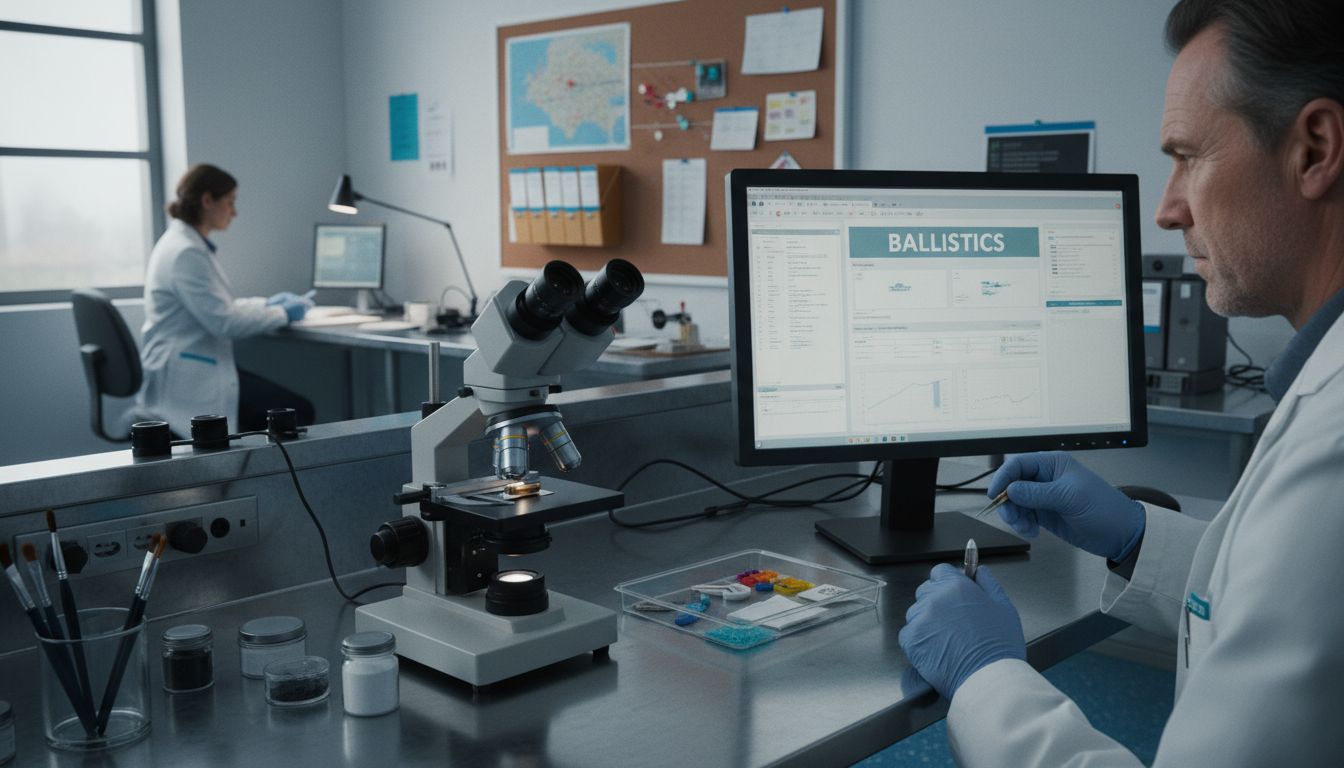
Modern police agencies utilise sophisticated forensic methods that span physical and digital realms. Chemical testing, toxicology, DNA profiling, and fingerprint analysis provide foundational investigative capabilities, while advanced network forensic tools allow for comprehensive digital crime scene reconstruction. Forensic experts can now analyse complex network traffic, identify potential cybercrime indicators, and trace digital interactions with unprecedented precision.
The breadth of forensic disciplines reflects the increasing complexity of criminal investigations in the digital age. From traditional physical evidence examination to cutting-edge digital forensics, these scientific techniques transform raw data into compelling legal evidence. By systematically collecting, preserving, and analysing information across multiple forensic domains, law enforcement agencies can develop comprehensive investigative strategies that enhance their ability to solve crimes and deliver justice.
How Forensic Evidence Supports Investigations
Forensic evidence represents a critical bridge between physical crime scenes and legal proceedings, transforming raw investigative data into scientifically validated insights that can conclusively resolve complex criminal cases. This sophisticated approach enables investigators to reconstruct events, establish precise connections between suspects and criminal activities, and provide objective testimony that withstands rigorous legal scrutiny.
Role of forensic labs demonstrates how systematic evidence collection and analysis can prevent wrongful convictions by meticulously examining physical and digital traces. Advanced forensic techniques allow investigators to extract microscopic details, trace communication patterns, and develop comprehensive narratives that reveal the intricate circumstances surrounding criminal incidents. DNA profiling, ballistics analysis, digital forensics, and trace evidence examination provide law enforcement with powerful tools to corroborate witness statements and challenge potentially unreliable testimony.
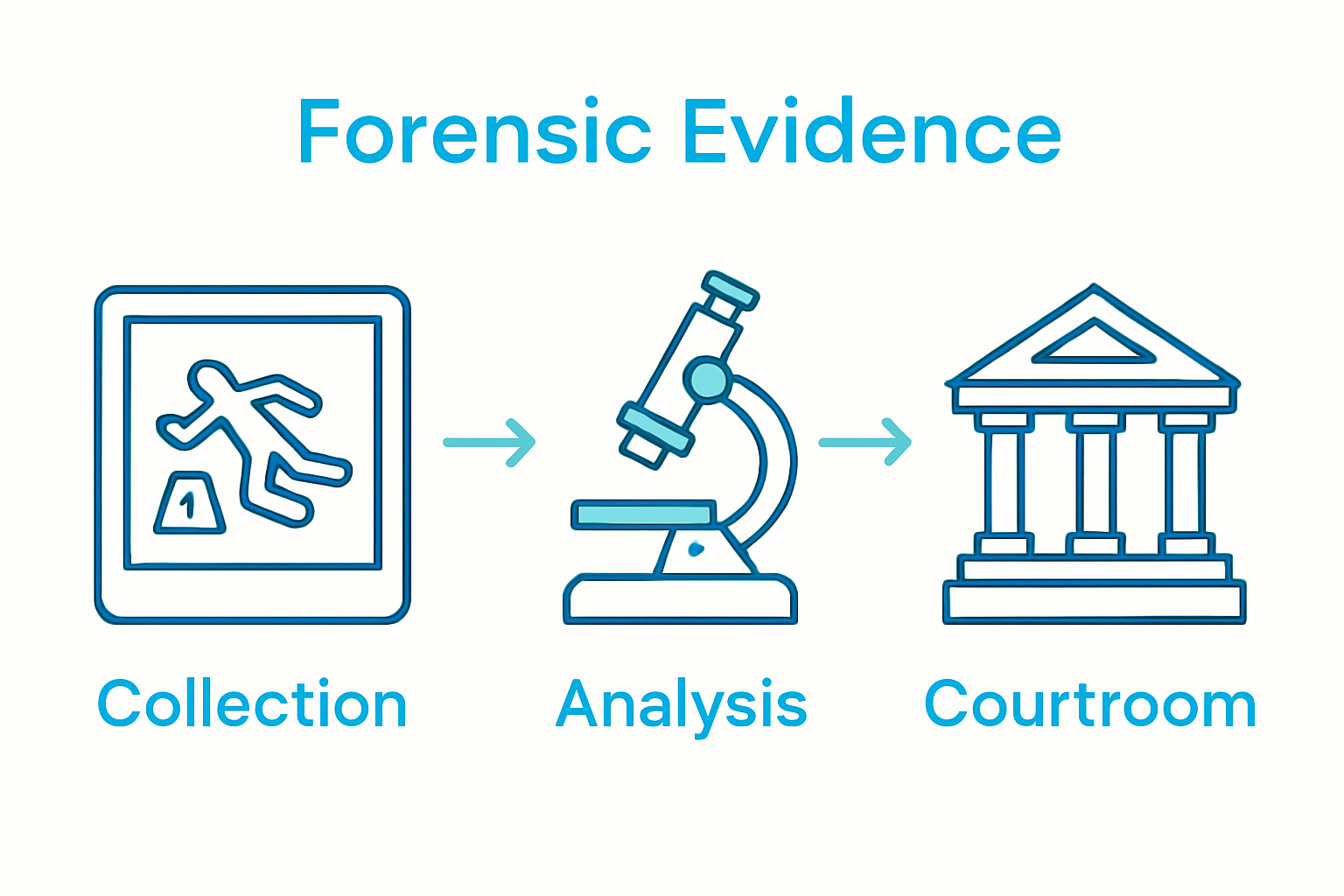

The scientific methodology underlying forensic investigations ensures that evidence meets stringent legal standards, offering courts objective, verifiable information. By applying rigorous analytical protocols, forensic experts can authenticate, preserve, and interpret complex evidence that might otherwise be overlooked or misunderstood. This approach transforms seemingly insignificant physical traces into compelling legal arguments, enabling judicial systems to make informed decisions based on empirical scientific findings.
Ultimately, forensic evidence serves as a cornerstone of modern investigative practices, bridging the gap between scientific analysis and legal reasoning. Through meticulous documentation, preservation of chain of custody, and advanced technological capabilities, forensic experts provide law enforcement and judicial systems with the most reliable mechanism for uncovering truth and delivering justice.
Legal Standards and Chain of Custody Essentials
Chain of custody represents a fundamental legal framework that ensures the integrity, reliability, and admissibility of forensic evidence throughout the entire investigative and judicial process. This critical procedural mechanism tracks the movement, handling, and preservation of physical and digital evidence from the moment of collection through to potential court presentation, maintaining a comprehensive documentary trail that validates the evidence’s authenticity.
Digital forensics chain of custody procedures mandate meticulous documentation of every interaction with potential evidence, requiring forensic experts to record precise details including who collected the evidence, when and where it was collected, how it was transported, and the specific conditions of its storage and analysis. These rigorous protocols prevent potential contamination, tampering, or compromise of evidence, ensuring that scientific findings can withstand intense legal scrutiny and meet the stringent standards required in criminal and civil proceedings.
Legal standards governing forensic evidence demand exceptional precision and transparency. Forensic experts must demonstrate an unbroken chain of custody that proves the evidence has been handled professionally, with each transfer and interaction meticulously documented and verified. This process involves creating detailed logs, using secure evidence packaging, maintaining controlled storage environments, and implementing strict access protocols that limit potential manipulation or accidental contamination.
The ultimate goal of chain of custody protocols extends beyond mere procedural compliance. By establishing a comprehensive, transparent record of evidence handling, forensic professionals provide judicial systems with a reliable mechanism for distinguishing between genuine scientific findings and potentially compromised or unreliable information. These standards protect the integrity of investigations, safeguard individual rights, and ensure that legal decisions are founded on the most credible and scientifically validated evidence possible.
Challenges, Risks, and Ethical Considerations in Forensics
Forensic science confronts increasingly complex challenges that test the boundaries of technological capabilities, ethical standards, and legal frameworks. The rapid evolution of digital technologies and scientific methodologies creates a dynamic landscape where forensic professionals must continuously adapt to emerging risks and potential vulnerabilities in evidence collection and analysis.
Essential forensic analysis tools highlight the technological sophistication required to address contemporary forensic challenges, particularly in digital domains. The proliferation of advanced machine learning techniques introduces significant risks, including potential manipulation of forensic evidence through sophisticated adversarial techniques that can compromise the reliability of scientific investigations. These technological vulnerabilities demand rigorous validation processes and continuous technological innovation to maintain forensic integrity.
Ethical considerations in forensic science extend far beyond technical competence, encompassing fundamental principles of professional conduct, individual privacy, and judicial fairness. Forensic experts must navigate complex ethical terrains, balancing the imperative to uncover truth with respect for individual rights and potential biases inherent in scientific methodologies. The emerging challenges include managing public expectations shaped by media representations, addressing potential confirmation biases, and ensuring transparent, reproducible scientific processes that withstand intense legal and professional scrutiny.
Ultimately, forensic professionals bear a profound responsibility to maintain the highest standards of scientific and ethical conduct. This requires ongoing professional development, critical self-reflection, and a commitment to transparency that transcends technological capabilities. By consistently challenging existing methodologies, embracing technological innovations, and maintaining unwavering ethical standards, forensic experts can continue to provide crucial scientific insights that serve the fundamental goals of justice and societal protection.
Unlock the Full Potential of Forensic Science in Your Investigations
For law enforcement professionals grappling with the complexities of modern crime scenes, forensic science offers the vital edge needed to transform raw evidence into undeniable proof. Challenges such as preserving the integrity of digital evidence and maintaining an unbroken chain of custody require expert handling and advanced techniques. At Computer Forensics Lab, we understand the critical role forensic science plays in delivering legally sound, scientifically validated results that withstand the most rigorous scrutiny.
Harness the power of specialised digital forensics and reliable evidence tracking with our comprehensive services including digital evidence collection, detailed data recovery, and meticulous chain of custody tracking. Discover how our expertise complements law enforcement investigations and supports justice with precision and professionalism. Explore our full range of forensic science solutions today and take the decisive step towards enhancing your investigative capabilities.
Visit Computer Forensics Lab now to connect with specialised digital forensic experts committed to advancing your case outcomes with integrity and expert insight.
Frequently Asked Questions
What is forensic science in law enforcement?
Forensic science is a multidisciplinary approach that employs scientific methodologies to analyse physical evidence in criminal investigations, helping law enforcement link suspects to crimes and reconstruct events with precision.
How does forensic evidence support criminal investigations?
Forensic evidence bridges the gap between crime scenes and courtrooms by transforming raw data into scientifically validated insights, establishing connections between suspects and criminal activities, and providing objective testimony that complies with legal standards.
What are the different types of forensics used by police?
Law enforcement agencies utilise various forensic disciplines, including traditional methods like ballistics and fingerprint analysis, as well as modern techniques such as digital forensics, DNA profiling, and trace evidence analysis.
Why is the chain of custody important in forensics?
The chain of custody ensures the integrity and admissibility of forensic evidence by meticulously documenting its handling. It prevents contamination or tampering, ensuring that the evidence meets legal standards and can withstand scrutiny in court.