

Most organisations do not realise that even a single digital misstep can compromise critical legal evidence. With more than 90 percent of court cases now involving some form of electronic data, the demand for skilled computer forensics experts continues to rise. Understanding this specialised field sheds light on how digital investigators uncover, analyse, and protect information, offering vital support in everything from criminal proceedings to corporate disputes.
Table of Contents
- Defining Computer Forensics Expertise and Services
- Types of Digital Investigations Explained
- How Computer Forensics Experts Assist Cases
- Legal Responsibilities and Chain of Custody
- Risks, Pitfalls and Common Mistakes to Avoid
Key Takeaways
| Point | Details |
|---|---|
| Computer forensics is a specialised field | It involves comprehensive digital investigations to collect, analyse, and preserve electronic evidence for legal and corporate purposes. |
| Key services of forensics experts include data recovery and preservation | These methods ensure the integrity and admissibility of evidence in various legal contexts while supporting investigative needs. |
| Digital investigations cover multiple domains | Specialised techniques are applied in areas such as network forensics, email forensics, and mobile device forensics to uncover critical information. |
| Maintaining the chain of custody is vital | Forensic experts must meticulously document every interaction with digital evidence to ensure legal credibility and avoid contamination. |
Defining Computer Forensics Expertise and Services
Computer forensics represents a sophisticated digital investigation discipline designed to uncover, analyse, and preserve electronic evidence across various technological platforms. Digital forensic specialists meticulously examine electronic devices, networks, and data storage systems to extract critical information for legal, corporate, and investigative purposes.
At its core, computer forensics involves the systematic retrieval and comprehensive analysis of digital information from computers, mobile devices, cloud storage, and network infrastructures. Professionals in this field employ advanced technological techniques to investigate digital evidence that can be crucial in criminal prosecutions, civil litigation, internal corporate investigations, and cybersecurity incident response. The process demands rigorous methodological precision to ensure the admissibility and integrity of electronic evidence in legal proceedings.
The primary services offered by computer forensics experts typically encompass several key domains:
- Data Recovery: Retrieving deleted, damaged, or hidden digital files from various electronic storage media
- Digital Evidence Preservation: Maintaining forensic disk images and ensuring chain of custody for legal requirements
- Comprehensive Device Examination: Investigating computers, smartphones, tablets, servers, and cloud platforms
- Malware and Cybercrime Analysis: Identifying digital threats, tracing their origins, and understanding their operational mechanisms
- Expert Witness Testimony: Providing authoritative technical explanations of digital evidence in courtroom settings
These professionals operate at the intersection of technology, law enforcement, and judicial processes, wielding specialised knowledge to decode complex digital landscapes. Whether supporting criminal investigations, resolving corporate disputes, or protecting organisational cybersecurity, computer forensics experts play a critical role in transforming raw digital data into meaningful, legally admissible insights.
Types of Digital Investigations Explained
Digital forensic investigations encompass a sophisticated spectrum of specialised techniques designed to uncover, analyse, and interpret electronic evidence across multiple technological domains. Forensic experts methodically apply scientific principles to extract critical digital information that can support legal proceedings, corporate investigations, and cybersecurity interventions.
The landscape of digital investigations is remarkably diverse, with multiple forensic branches targeting specific technological environments and evidence types. Professionals in this field employ advanced methodologies to conduct in-depth examinations across various digital platforms, ensuring comprehensive and legally admissible evidence collection.
Key types of digital forensic investigations include:
- Network Forensics: Analysing network traffic, connection logs, and digital communication patterns
- Database Forensics: Examining database structures, uncovering manipulated or deleted records
- Email Forensics: Investigating electronic communications, recovering deleted messages and analysing metadata
- Mobile Device Forensics: Extracting and analysing data from smartphones, tablets, and portable electronic devices
- Malware Forensics: Identifying, analysing, and understanding malicious software and its operational mechanisms
- Memory Forensics: Investigating volatile computer memory to uncover running processes and hidden digital artifacts
- Wireless Forensics: Examining wireless network communications and potential security breaches
Each investigative approach requires specialised knowledge, sophisticated technological tools, and a meticulous understanding of digital evidence preservation. Forensic experts in litigation must maintain rigorous standards to ensure the integrity and admissibility of digital evidence across various legal contexts, making their role critical in modern investigative and judicial processes.

How Computer Forensics Experts Assist Cases
Digital forensics experts play a pivotal role in modern legal and investigative processes, providing critical technological insights that can make or break complex cases. Computer forensic specialists possess unique capabilities to uncover and analyse digital evidence that traditional investigative methods might overlook, transforming seemingly opaque digital landscapes into clear, admissible evidence.
In criminal and civil proceedings, these professionals employ sophisticated techniques to preserve digital evidence with meticulous precision. Their core assistance spans multiple critical domains:
- Data Recovery: Retrieving deleted, encrypted, or corrupted digital information from various electronic devices
- Metadata Analysis: Examining hidden file attributes, timestamps, and digital communication logs
- Network Forensics: Tracing digital communication patterns and identifying potential security breaches
- Device Examination: Investigating smartphones, computers, tablets, and other electronic storage media
- Forensic Reporting: Creating comprehensive, legally admissible documentation of digital evidence
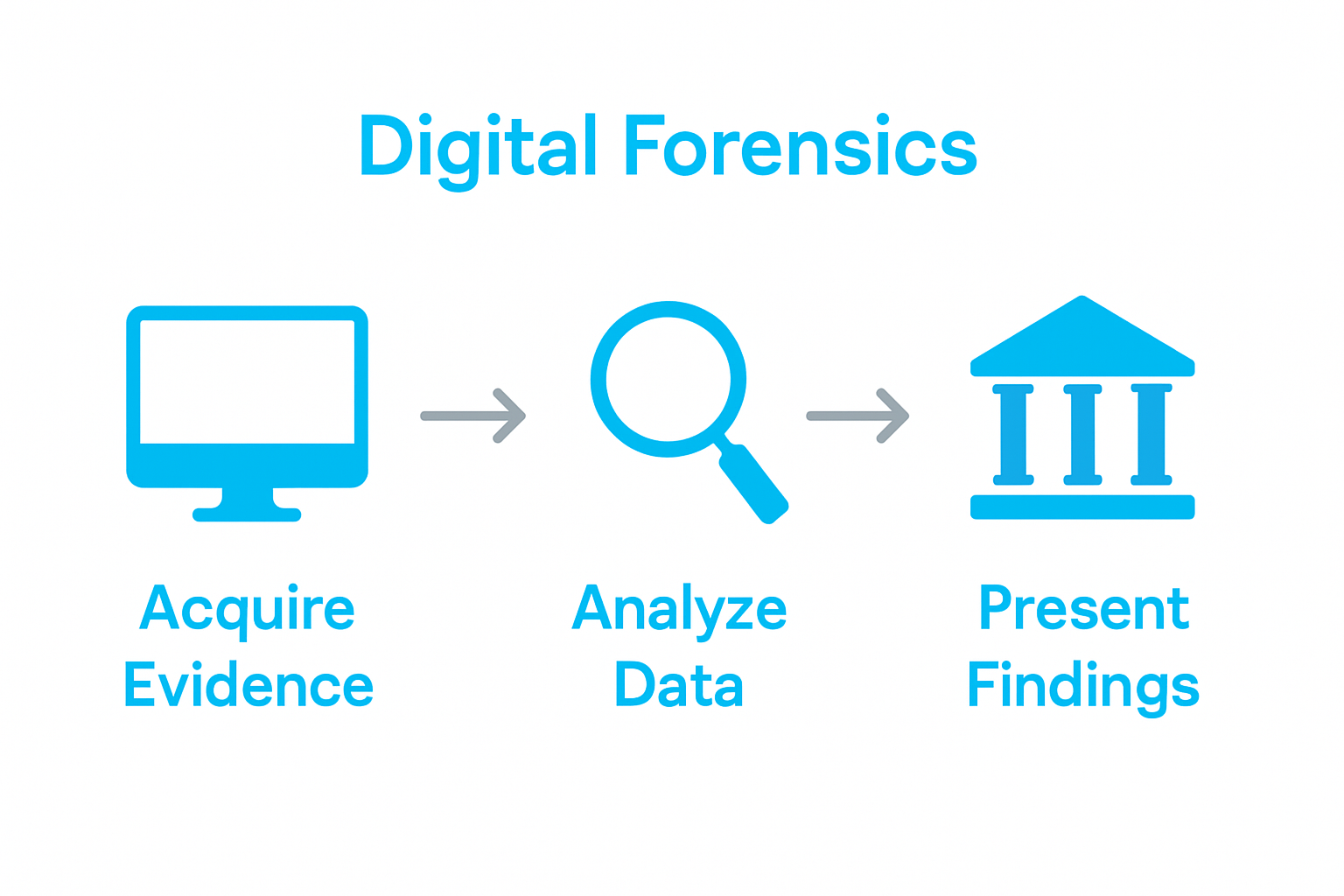
Computer forensics experts bridge technological complexity and legal requirements, transforming raw digital data into structured, compelling evidence. Their methodical approach ensures that digital artefacts are collected, preserved, and presented with unimpeachable scientific rigour, making them indispensable in modern investigative and judicial processes.

Legal Responsibilities and Chain of Custody
Digital forensic evidence represents a critically sensitive area of legal investigation, where precision and methodological integrity are paramount. Chain of custody procedures are fundamental in ensuring that digital evidence remains legally admissible, uncontaminated, and credible throughout investigative and judicial processes.
Forensic experts must navigate complex legal landscapes, meticulously documenting every interaction with digital evidence to maintain its legal integrity. The core responsibilities encompass several critical domains:
- Evidence Identification: Precisely locating and documenting digital artifacts
- Evidence Preservation: Protecting original data from potential contamination or modification
- Detailed Documentation: Recording each step of evidence handling, including time, date, and personnel involved
- Forensic Imaging: Creating exact, verifiable copies of digital storage media
- Secure Storage: Maintaining controlled access to original and forensic evidence
- Comprehensive Reporting: Generating detailed, legally defensible documentation of investigative processes
The legal framework surrounding digital evidence demands an unbroken chain of custody, where every interaction must be traceable, transparent, and scientifically rigorous. Computer forensics experts serve as critical guardians of digital evidence, ensuring that technological artifacts can withstand the most stringent legal scrutiny and serve justice with unimpeachable precision.
Risks, Pitfalls and Common Mistakes to Avoid
Digital forensic investigations demand extraordinary precision, with even minor errors potentially rendering critical evidence inadmissible. Forensic professionals must navigate a minefield of potential risks that could compromise entire investigative processes.
The landscape of digital forensics is fraught with technical and procedural challenges that can undermine investigation integrity. Common pitfalls emerge across multiple critical domains:
- Evidence Contamination: Inadvertently modifying original digital artifacts
- Improper Evidence Handling: Failing to maintain strict chain of custody protocols
- Technical Incompetence: Using outdated or inappropriate forensic tools
- Insufficient Documentation: Incomplete or inconsistent investigative records
- Legal Non-Compliance: Overlooking jurisdiction-specific digital evidence requirements
- Inadequate Technical Expertise: Misinterpreting complex digital forensic data
- Rushed Investigations: Sacrificing methodological rigour for speed
Successful digital forensic investigations require meticulous attention to scientific and legal standards. Experts must consistently balance technological sophistication with procedural discipline, ensuring that every digital artifact is treated with the same forensic precision demanded in traditional criminal investigations.
Ensure Success by Hiring a Skilled Computer Forensics Expert
When facing complex digital investigations it is vital to overcome challenges such as preserving chain of custody maintaining evidence integrity and analysing intricate data delays or mistakes risk losing crucial insights or legal credibility. The guide highlights how a professional can assist with data recovery forensic imaging and expert witness testimony turning digital evidence into compelling case assets. Don’t let the critical role of digital forensics become a source of frustration or risk in your legal or corporate matters.
Discover how our Forensic Computing Expert services at Computer Forensics Lab provide cutting-edge solutions from thorough device examination to detailed forensic reporting. Benefit from our expertise that supports litigation and cybersecurity needs with scientifically rigorous processes that safeguard your case. Ready for reliable expert assistance? Visit Computer Forensics Lab today and explore how our Expert Witness specialists ensure your digital evidence stands strong in court.
Frequently Asked Questions
What is computer forensics?
Computer forensics is a digital investigation discipline focused on uncovering, analysing, and preserving electronic evidence from devices, networks, and data storage systems for legal and investigative purposes.
Why should I hire a computer forensics expert?
Hiring a computer forensics expert is essential for retrieving and analysing critical digital evidence that could be pivotal in legal cases, corporate investigations, or cybersecurity incidents, ensuring the integrity and admissibility of the evidence.
What services do computer forensics experts provide?
Computer forensics experts offer services such as data recovery, digital evidence preservation, device examinations, malware analysis, and expert witness testimony, all aimed at transforming raw digital data into structured, legally admissible insights.
How does the chain of custody work in computer forensics?
The chain of custody in computer forensics involves meticulously documenting every interaction with digital evidence to ensure its integrity. This includes identifying, preserving, and securely storing the evidence while generating comprehensive reports to maintain legal compliance.