
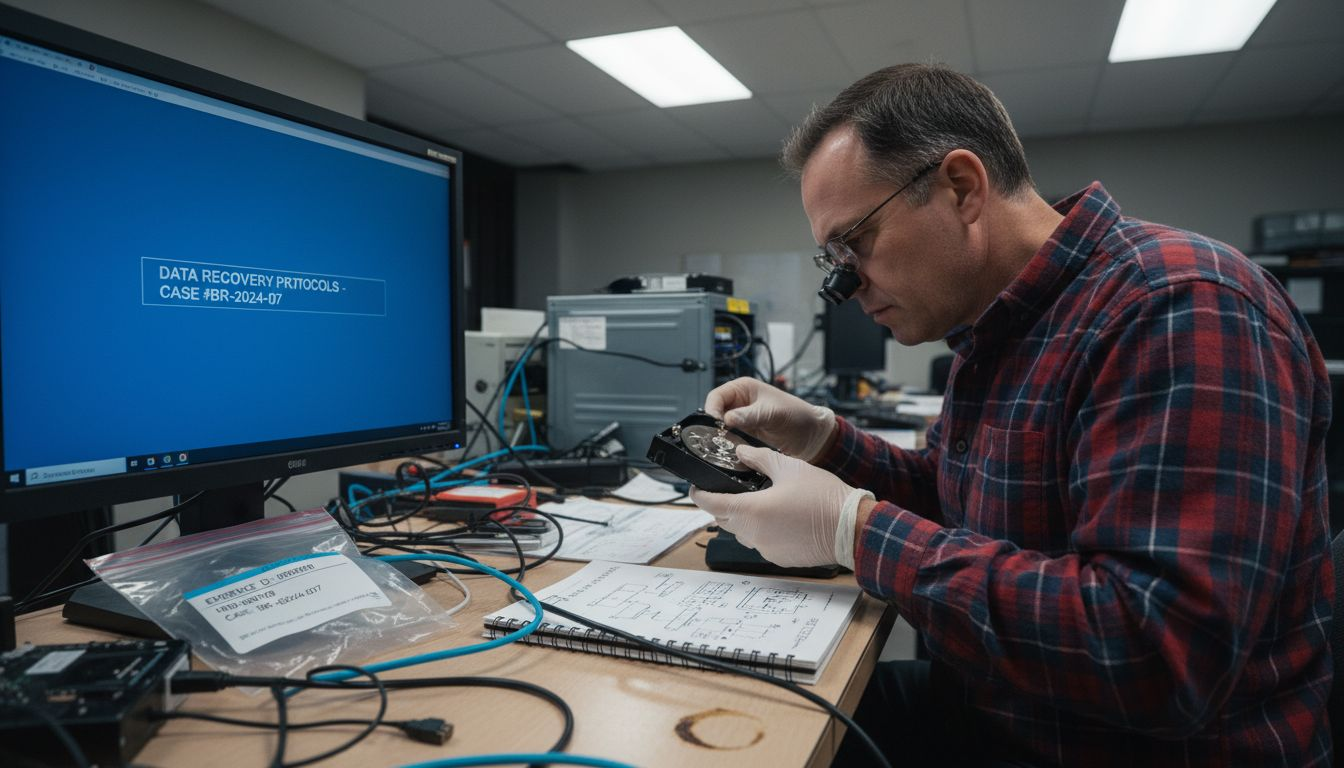
Most british criminal cases now involve at least one form of digital evidence, with courts increasingly relying on data from mobile devices, computers, and social media. For defence attorneys in London, understanding digital forensic analysis is crucial when contesting or validating electronic evidence in court. This overview sheds light on proven forensic methods, the chain of custody, and expert witness standards so you can better challenge the prosecution and protect your clients’ rights.
Table of Contents
- What Digital Forensic Analysis Is
- Types Of Digital Evidence In Court
- How Forensic Analysis Supports Admissibility
- Ensuring Integrity With Chain Of Custody
- Expert Witness Obligations And Standards
- Risks To Forensic Evidence Reliability
Key Takeaways
| Point | Details |
|---|---|
| Importance of Digital Forensic Analysis | Digital forensic analysis is essential for uncovering and preserving electronic evidence that can be crucial in legal cases. Engaging experts early ensures a comprehensive understanding of digital environments. |
| Types of Digital Evidence | Understanding various types of digital evidence is vital for developing effective legal strategies. Categories include electronic documents, communication records, images, and metadata. |
| Admissibility of Evidence | Forensic analysis is critical for establishing the admissibility of digital evidence, hinging on principles like chain of custody and scientific methodology. |
| Expert Witness Standards | Digital forensic experts must adhere to rigorous guidelines, demonstrating technical competence and objectivity to enhance the credibility of evidence in court. |
What digital forensic analysis is
Digital forensic analysis is a specialised investigative process designed to uncover, preserve, and examine electronic evidence in legal proceedings. Digital forensics involves uncovering and interpreting electronic data for legal use, providing criminal defence lawyers with critical insights into complex digital environments.
At its core, digital forensic analysis encompasses a systematic approach to collecting, identifying, and validating digital information from various electronic devices. This includes examining computers, mobile phones, cloud storage, social media accounts, and other digital platforms. Forensic experts meticulously extract data while maintaining strict chain of custody protocols, ensuring the evidence remains admissible in court.
The process typically involves several key stages: evidence identification, collection, preservation, analysis, and reporting. Investigators use sophisticated tools and techniques to recover deleted files, trace digital communications, analyse metadata, and reconstruct digital activities. The digital forensics process supports or refutes legal hypotheses through comprehensive data examination, making it an invaluable resource for criminal defence strategies.
Pro Tip for Defence Lawyers: Always engage digital forensic experts early in your case preparation to ensure comprehensive evidence analysis and develop robust defence strategies based on detailed digital insights.
Types of digital evidence in court
Digital evidence represents information stored or transmitted in binary form, encompassing a wide range of electronic sources that can provide critical insights in legal proceedings. Criminal defence lawyers must understand the various types of digital evidence that might be presented in court, as these can significantly impact case strategies and outcomes.
The primary categories of digital evidence include:
- Electronic documents: Emails, word processing files, spreadsheets, and PDFs
- Communication records: Text messages, instant messaging logs, social media conversations
- Digital images and videos: Photographs, surveillance footage, screenshots
- Device metadata: Information about device usage, location tracking, and user interactions
Digital evidence presented in court can include social media posts, electronic documents, and data retrieved through computer forensics, each playing a crucial role in establishing facts. Forensic experts carefully analyse these digital artifacts, ensuring they meet legal standards of authenticity, integrity, and relevance. Electronic evidence can corroborate witness statements, reveal communication patterns, or provide a timeline of events that might be pivotal in criminal defence strategies.
Here is a summary table highlighting the primary differences between types of digital evidence and their common legal uses:
| Evidence Type | Typical Source | Common Legal Use |
|---|---|---|
| Electronic documents | Emails, office files | Proving intent or communication record |
| Communication records | Texts, social platforms | Establishing contact or timelines |
| Images and videos | Devices, surveillance | Corroborating witness statements |
| Device metadata | Laptops, mobiles | Verifying location and activity |
Pro Tip for Defence Lawyers: Always request comprehensive forensic analysis reports that detail the exact methodology used to collect and authenticate digital evidence, ensuring you can challenge any potential inconsistencies or methodological flaws.
How forensic analysis supports admissibility
Forensic analysis ensures the integrity and authenticity of digital evidence through systematic processes, which are critical for establishing admissibility in legal proceedings. Defence lawyers must understand how forensic experts transform raw digital data into legally acceptable evidence that can withstand judicial scrutiny.
The admissibility of digital evidence hinges on several key forensic principles:
- Chain of custody: Documenting every step of evidence collection and handling
- Preservation of original data: Maintaining the integrity of digital files without alteration
- Reproducibility: Ensuring forensic procedures can be independently verified
- Scientific methodology: Applying standardised, repeatable forensic techniques
Forensic analysis aids admissibility by verifying the relevance, authenticity, and reliability of digital evidence, addressing potential challenges such as unauthorized acquisition and potential data manipulation. Forensic experts employ sophisticated techniques like hash value verification, metadata analysis, and forensic imaging to create a comprehensive and legally defensible record of digital evidence. These methodical approaches transform raw digital information into credible court-admissible documentation that can substantiate or challenge legal arguments.

Pro Tip for Defence Lawyers: Consult with forensic experts early in your case preparation to understand the specific methodologies used in evidence collection and potential vulnerabilities that could impact the evidence’s admissibility.
Ensuring integrity with chain of custody
Maintaining a strict chain of custody involves identifying digital devices and creating forensic duplicates to preserve the critical integrity of digital evidence throughout legal proceedings. This meticulous process is fundamental for defence lawyers to ensure that digital evidence remains admissible and credible in court.
The chain of custody documentation typically requires forensic experts to record:
- Device identification: Precise details about the source of digital evidence
- Evidence collection timestamp: Exact date and time of acquisition
- Handling protocols: Detailed log of every individual who accessed the evidence
- Storage conditions: Secure environment and transfer mechanisms
- Forensic imaging: Creating exact, unaltered digital copies of original data
Adhering to guidelines from professional forensic associations ensures that actions taken during investigations do not alter digital data, maintaining its legal integrity. Forensic experts must implement rigorous protocols that document every interaction with digital evidence, creating a transparent and verifiable record that can withstand intense judicial scrutiny. Each step must be carefully logged, demonstrating that the evidence has been handled with scientific precision and legal accountability.
Pro Tip for Defence Lawyers: Always request comprehensive chain of custody documentation, including detailed forensic logs and expert witness statements that explicitly outline the preservation and handling procedures used during evidence collection.
Expert witness obligations and standards
The Scientific Working Group on Digital Evidence develops critical guidelines for digital forensic practitioners, establishing a comprehensive framework of professional standards that expert witnesses must rigorously follow. These standards are paramount in ensuring the credibility and reliability of digital evidence presented in legal proceedings.
Key obligations for digital forensic expert witnesses include:
- Technical competence: Demonstrating advanced knowledge and proficiency in digital forensic methodologies
- Objectivity: Maintaining impartiality and presenting unbiased scientific analysis
- Transparency: Clearly explaining forensic methods, tools, and reasoning
- Documentation: Providing comprehensive, detailed reports of investigative processes
- Ethical conduct: Adhering to professional codes of ethics and legal requirements
Digital forensic practitioners are required to follow established guidelines to ensure evidence admissibility, which demands meticulous attention to scientific standards and legal protocols. Expert witnesses must be prepared to withstand rigorous cross-examination, explaining their methodologies with precision and defending the integrity of their forensic analysis. This involves not just technical expertise, but also the ability to communicate complex technical findings in a clear, comprehensible manner for legal professionals and juries.
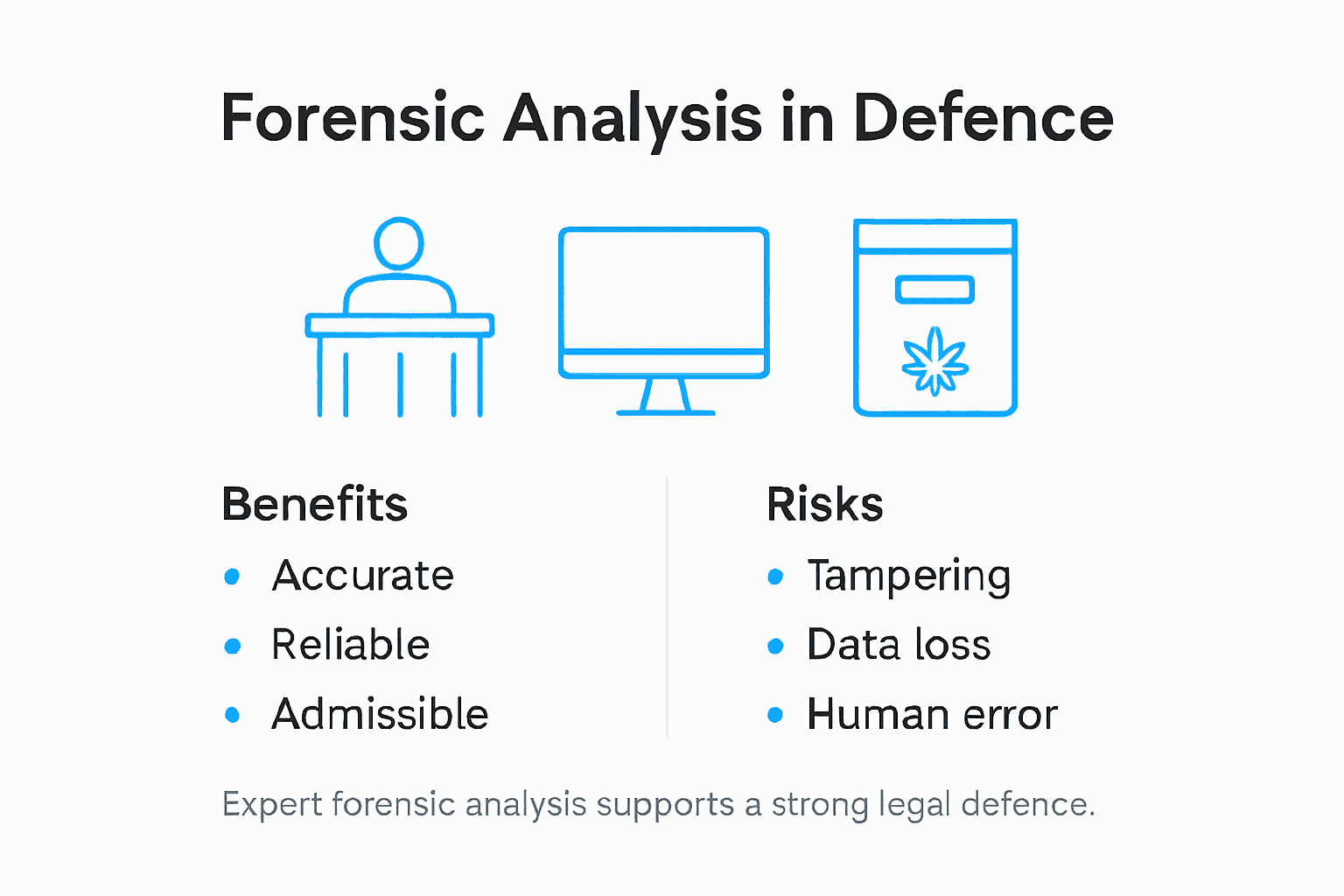

This table outlines key responsibilities of digital forensic expert witnesses and their significance in court:
| Responsibility | Why It Matters in Court |
|---|---|
| Technical competence | Ensures accurate analysis |
| Objectivity | Builds trust with court and jury |
| Transparency | Enables cross-examination |
| Documentation | Validates evidence handling process |
| Ethical conduct | Supports credibility and fairness |
Pro Tip for Forensic Experts: Continuously update your professional credentials, participate in ongoing training, and maintain detailed documentation of your investigative methods to enhance your credibility as an expert witness.
Risks to forensic evidence reliability
Digital forensic evidence presents unique challenges that can potentially compromise its reliability and admissibility in legal proceedings. Challenges include potential unauthorized acquisition and risks of data manipulation, which demand rigorous scrutiny from defence lawyers and forensic experts.
Key risks to forensic evidence reliability encompass:
- Data tampering: Potential unintentional or intentional modifications during evidence collection
- Technical limitations: Software or hardware constraints affecting evidence extraction
- Metadata inconsistencies: Discrepancies in digital file timestamps or system logs
- Complex digital environments: Challenges in reconstructing precise digital interactions
- Authentication difficulties: Verifying the genuine origin of digital artifacts
Forensic experts must navigate these risks through meticulous documentation, transparent methodologies, and comprehensive analysis techniques. Defence lawyers should critically examine the forensic investigation process, challenging potential vulnerabilities in digital evidence collection, preservation, and interpretation. This requires a sophisticated understanding of technological complexities and potential sources of error that could undermine the credibility of digital forensic findings.
Pro Tip for Defence Lawyers: Always engage independent forensic experts to conduct secondary analysis and verification of digital evidence, ensuring a comprehensive and unbiased assessment of potential reliability risks.
Strengthen Your Defence with Expert Digital Forensic Analysis
Navigating the complexities of digital evidence and ensuring its admissibility in court can be daunting. This article highlights key challenges such as maintaining strict chain of custody and demonstrating the integrity of digital forensic procedures — issues that every defence lawyer must address to protect their client’s rights. Whether it is recovering deleted data or authenticating electronic documents, understanding these forensic principles is vital for crafting a robust defence strategy.
At Computer Forensics Lab, we specialise in delivering precise and legally sound digital investigations. Our Computer Forensics experts uphold rigorous standards that align with the article’s emphasis on chain of custody and forensic analysis. By partnering with us, you gain access to detailed forensic reports and expert witness services that help validate your case. Do not leave your defence to chance. Discover how our comprehensive Chain of Custody Tracking solutions ensure the integrity your case demands.
Take the next step now and visit Computer Forensics Lab to safeguard your defence with professional digital forensic support.
Frequently Asked Questions
What is digital forensic analysis and why is it important?
Digital forensic analysis is a specialised investigative process that uncovers, preserves, and examines electronic evidence for legal proceedings. It is crucial for defence lawyers as it provides insights into complex digital environments and helps in forming robust defence strategies.
How does forensic analysis support the admissibility of digital evidence in court?
Forensic analysis ensures the integrity and authenticity of digital evidence by following strict procedures, such as documenting the chain of custody, preserving original data, and employing scientific methodology. These practices are vital for establishing the evidence’s admissibility in legal proceedings.
What are the key types of digital evidence that can be used in court?
Key types of digital evidence include electronic documents (like emails and PDFs), communication records (such as text messages and social media conversations), digital images and videos, and device metadata. Each type plays a significant role in corroborating facts in a legal case.
What risks can compromise the reliability of forensic evidence?
Risks to forensic evidence reliability include data tampering, technical limitations during evidence collection, inconsistencies in metadata, complexities of digital environments, and difficulties in authenticating digital artifacts. Such risks necessitate thorough scrutiny during the forensic investigation process.