

The hunt for reliable digital evidence is becoming more complex as new technologies reshape investigations in London. Legal professionals and corporate security officers now face rising demands to extract and authenticate data from personal devices, social media, and interconnected platforms. This article offers practical guidance on emerging forensic strategies, helping you adapt to evolving standards and tackle verification challenges with confidence in 2025. Digital forensics is no longer just a technical discipline—it is now at the core of legal compliance and proactive cybersecurity.
Table of Contents
- Defining Digital Forensics In 2025
- Emerging Types Of Digital Evidence Sources
- Essential Techniques And Technologies Used
- Legal Standards And Evidence Admissibility
- Risks, Challenges, And Ethical Considerations
Key Takeaways
| Point | Details |
|---|---|
| Transformation of Digital Forensics | Digital forensics has evolved into a comprehensive, interdisciplinary investigative methodology that integrates technology, law, and cybersecurity. |
| Emerging Evidence Sources | The range of digital evidence sources has expanded, necessitating advanced authentication techniques and diverse investigation protocols. |
| Technological Integration | Advanced AI and machine learning tools are crucial for contemporary digital forensic investigations, enhancing data analysis and threat detection capabilities. |
| Legal and Ethical Considerations | Investigators must navigate stringent legal standards while maintaining ethical integrity and protecting individual privacy rights in their practices. |
Defining Digital Forensics in 2025
Digital forensics represents a sophisticated technological discipline focused on extracting, analysing, and preserving digital evidence across complex technological ecosystems. In 2025, the field has transformed from a narrow technical practice into a comprehensive investigative methodology that spans legal, corporate, and cybersecurity domains.
At its core, digital forensics involves identifying and processing electronically stored data with precision and legal integrity. The discipline now encompasses several critical dimensions:
- Evidence Collection: Systematic retrieval of digital artifacts from computing devices, cloud platforms, and network infrastructure
- Data Analysis: Advanced algorithmic techniques for reconstructing digital events and interactions
- Legal Compliance: Maintaining forensic chain of custody and ensuring court-admissible evidence standards
- Cybersecurity Integration: Proactive threat detection and incident response capabilities
The methodology has become increasingly complex, requiring practitioners to navigate intricate technological landscapes while maintaining forensic soundness. Modern digital forensics professionals must blend technical expertise with legal understanding, working seamlessly across multiple domains.
Understanding these nuanced requirements demands a multidisciplinary approach. Digital forensics experts now require comprehensive skills including:
- Advanced computing knowledge
- Legal and regulatory awareness
- Sophisticated data analysis techniques
- Ethical investigative practices
- Technological trend comprehension
Digital forensics is no longer just a technical discipline – it has become a critical intersection of technology, law, and investigative science. Professionals in this field must continuously adapt to emerging technological challenges while maintaining rigorous standards of evidence collection and analysis.
Pro tip: Always maintain meticulous documentation during digital forensic investigations to ensure the integrity and admissibility of collected evidence.
Emerging Types of Digital Evidence Sources
The landscape of digital evidence has dramatically transformed in 2025, expanding far beyond traditional computing devices to encompass a complex ecosystem of interconnected technological platforms. Digital evidence sources now include user-generated data from diverse technological interfaces, presenting both unprecedented investigative opportunities and significant authentication challenges.
Modern digital forensics professionals must now navigate an intricate landscape of potential evidence sources, which include:
- Personal Mobile Devices: Smartphones, tablets, and wearable technologies
- Social Media Platforms: User-generated content, interaction logs, and metadata
- Internet of Things (IoT) Sensors: Smart home devices, industrial sensors, and connected infrastructure
- Cloud Storage Systems: Distributed data repositories across multiple geographic locations
- Vehicular Telematic Systems: Navigation logs, vehicle performance data, and communication records
These emerging evidence sources introduce complex verification challenges. Synthetic media technologies like deepfakes have further complicated the authentication process, requiring sophisticated forensic techniques to distinguish between genuine and manipulated digital artifacts.
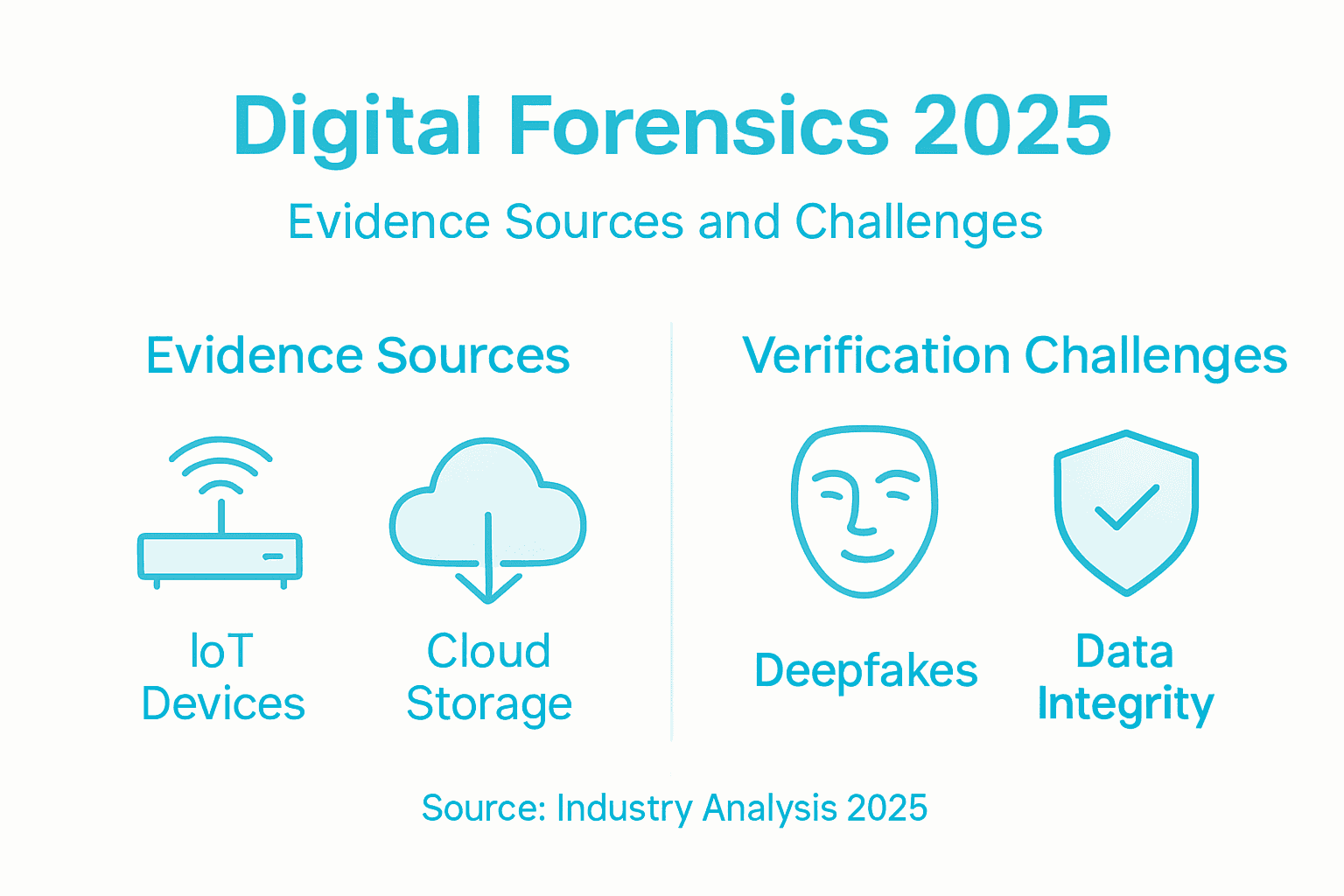

Here’s a summary of how key digital evidence sources differ in their forensic complexity and authentication needs:
| Evidence Source | Authentication Complexity | Typical Verification Tools |
|---|---|---|
| Mobile Devices | Moderate | Device logs, encryption analysis |
| Social Media Platforms | High | Metadata validation, content provenance |
| IoT Sensors | Very High | Sensor data reconciliation, firmware checks |
| Cloud Storage | High | Geolocation, access logs, blockchain trails |
| Vehicular Telematics | Moderate | Telematic logs, GPS data cross-checks |
The evolution of digital evidence collection demands a multifaceted approach that integrates technological expertise with rigorous legal and ethical standards. Forensic professionals must now possess:
- Advanced technological literacy
- Complex data analysis capabilities
- Understanding of synthetic media detection techniques
- Legal knowledge surrounding digital evidence admissibility
- Ethical frameworks for responsible digital investigation
Technological convergence has fundamentally redefined the scope of digital forensics. What was once a narrow technical discipline has transformed into a sophisticated interdisciplinary practice that bridges technology, law, and investigative science.
Pro tip: Develop robust verification protocols that systematically authenticate digital evidence across multiple technological platforms and metadata sources.
Essential Techniques and Technologies Used
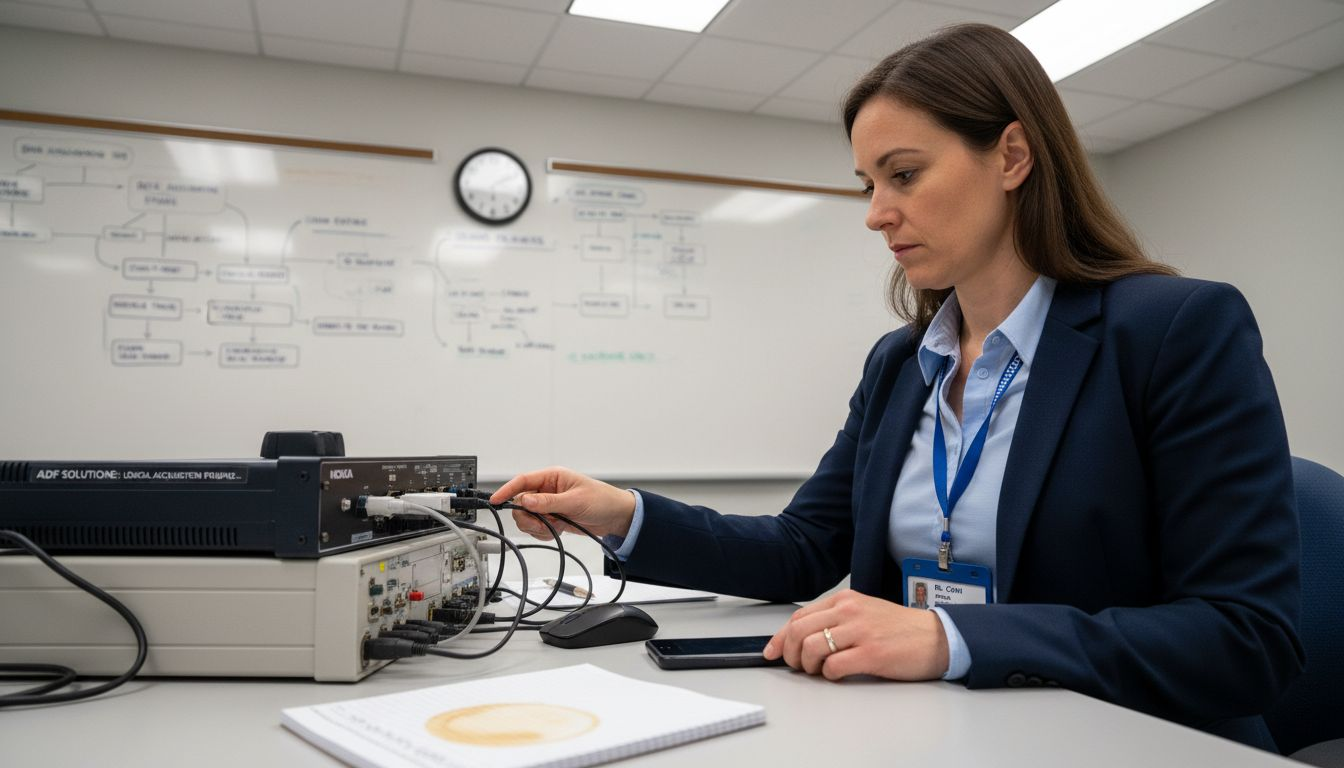
Digital forensic investigations in 2025 have been revolutionised by transformative technological capabilities, with advanced AI and machine learning techniques driving sophisticated data analysis across multiple digital platforms. These technologies have fundamentally reshaped how investigators extract, process, and interpret digital evidence.
The core technologies powering modern digital forensic investigations include:
- Artificial Intelligence (AI) Analysis: Automated pattern recognition and anomaly detection
- Machine Learning Algorithms: Dynamic data interpretation and predictive threat modelling
- Advanced Cryptographic Decryption: Complex encryption key recovery techniques
- Real-time Network Forensic Tools: Comprehensive digital traffic monitoring systems
- Quantum Computing Forensics: High-speed computational evidence processing
These technological approaches enable investigators to navigate increasingly complex digital ecosystems with unprecedented precision. Sophisticated techniques now allow for rapid extraction and analysis of intricate digital footprints across diverse technological platforms.
Modern digital forensic professionals must master a sophisticated skill set that integrates technological expertise with analytical capabilities:
- Advanced algorithmic data interpretation
- Complex machine learning model development
- Cybersecurity threat detection strategies
- Multi-platform digital evidence correlation
- Ethical data investigation protocols
Technological convergence has transformed digital forensics from a reactive to a proactive investigative discipline. Investigators can now anticipate and interpret digital threats with remarkable accuracy and speed.
Pro tip: Continuously update your technological skills and maintain a comprehensive understanding of emerging AI and machine learning forensic methodologies.
Legal Standards and Evidence Admissibility
The legal landscape for digital evidence has undergone substantial transformation, with carefully validated forensic frameworks ensuring evidence admissibility across increasingly complex technological environments. Digital forensic professionals must now navigate intricate legal standards that demand rigorous scientific validation and methodological precision.
Key legal considerations for digital evidence admissibility in 2025 include:
- Relevance: Direct connection to the legal case or investigation
- Authenticity: Verifiable origin and chain of custody
- Integrity: Proof of evidence preservation and non-manipulation
- Reliability: Consistent and reproducible forensic methodologies
- Scientific Validity: Adherence to established forensic standards
The European legal framework has progressively developed comprehensive guidelines to address the unique challenges of digital evidence. These standards emphasise a holistic approach that balances technological innovation with legal reliability, ensuring that digital forensic practices meet stringent judicial requirements.
Forensic professionals must demonstrate compliance with multiple critical standards:
- Adherence to Daubert criteria for scientific evidence
- Maintenance of comprehensive documentation
- Transparent evidence collection methodologies
- Utilisation of validated forensic tools
- Preservation of original digital artifacts
Digital evidence has transcended traditional legal boundaries, becoming a sophisticated intersection of technological expertise and judicial requirements. Investigators must now possess both technical proficiency and legal acumen to successfully navigate this complex landscape.
Pro tip: Develop meticulous documentation protocols that comprehensively record every step of digital evidence collection and analysis.
Risks, Challenges, and Ethical Considerations
Digital forensics in 2025 confronts increasingly complex ethical landscapes, with emerging challenges balancing technological capabilities against individual privacy rights. Investigators must navigate intricate legal and moral terrains that demand unprecedented levels of professional integrity and nuanced understanding.
Critical ethical challenges in digital forensics include:
- Privacy Protection: Maintaining individual data confidentiality
- Evidence Integrity: Preventing data manipulation or contamination
- Consent and Transparency: Ensuring informed investigative processes
- Cross-Border Jurisdictional Complexities: Managing international legal variations
- Algorithmic Bias: Mitigating potential discriminatory investigative practices
The fundamental ethical dilemma revolves around balancing robust investigative techniques with fundamental human rights. Digital forensic professionals must consistently demonstrate a commitment to principled, transparent methodologies that respect individual autonomy while serving broader societal interests.
Key considerations for maintaining ethical standards involve:
- Implementing rigorous data minimisation protocols
- Establishing clear consent mechanisms
- Developing transparent investigative documentation
- Creating independent oversight frameworks
- Continuously updating ethical guidelines
Technological capabilities must always be balanced against fundamental human rights principles. The most advanced forensic tools are worthless if they compromise individual dignity and legal protections.
The following table highlights major legal and ethical risks in digital forensics and their potential impacts:
| Risk Area | Example Challenge | Impact on Investigations |
|---|---|---|
| Privacy | Data overreach | Evidence may be inadmissible |
| Cross-border Issues | Varying laws by country | Delay or legal conflicts |
| Algorithmic Bias | Biased AI analysis | Inaccurate or unfair conclusions |
| Consent | Lack of informed disclosure | Legal liabilities |
| Evidence Integrity | Data tampering | Case undermined, loss of trust |
Pro tip: Develop comprehensive ethical training programmes that integrate legal, technological, and human rights perspectives into digital forensic practices.
Protect Your Legal and Corporate Interests with Expert Digital Forensics in 2025
In a world where digital evidence sources have become increasingly complex and legal standards more demanding, safeguarding your case or business requires more than basic technical knowledge. The challenges of maintaining evidence integrity, navigating legal admissibility, and combating advanced cyber threats demand specialised expertise. At Computer Forensics Lab, we understand the critical importance of meticulous Digital Evidence Preservation and rigorous Digital Forensics Examination to help legal professionals and corporations stay ahead. Our comprehensive forensic computing investigations ensure every piece of digital evidence withstands scrutiny across diverse platforms.
Take control of your digital investigations today with a trusted partner who blends advanced technology and legal acumen. Visit Computer Forensics Lab now and secure expert support that empowers your legal strategies and corporate security. Dont let critical digital evidence slip through the cracks when timely, precise forensic assistance can make all the difference.
Frequently Asked Questions
What is digital forensics?
Digital forensics is a discipline focused on extracting, analysing, and preserving digital evidence from electronic devices and systems to support investigations in legal, corporate, and cybersecurity contexts.
What are the key responsibilities of a digital forensics professional in 2025?
In 2025, digital forensics professionals are responsible for evidence collection, data analysis, maintaining legal compliance, and integrating cybersecurity measures into their investigations, requiring a blend of technical and legal expertise.
How has the landscape of digital evidence sources changed in 2025?
The landscape has expanded to include personal mobile devices, social media content, IoT sensors, cloud storage, and vehicular telematics, introducing new authentication challenges and verification complexities.
What are the legal standards for digital evidence in 2025?
Legal standards for digital evidence focus on relevance, authenticity, integrity, reliability, and scientific validity, ensuring that digital evidence meets strict judicial requirements for admissibility.