
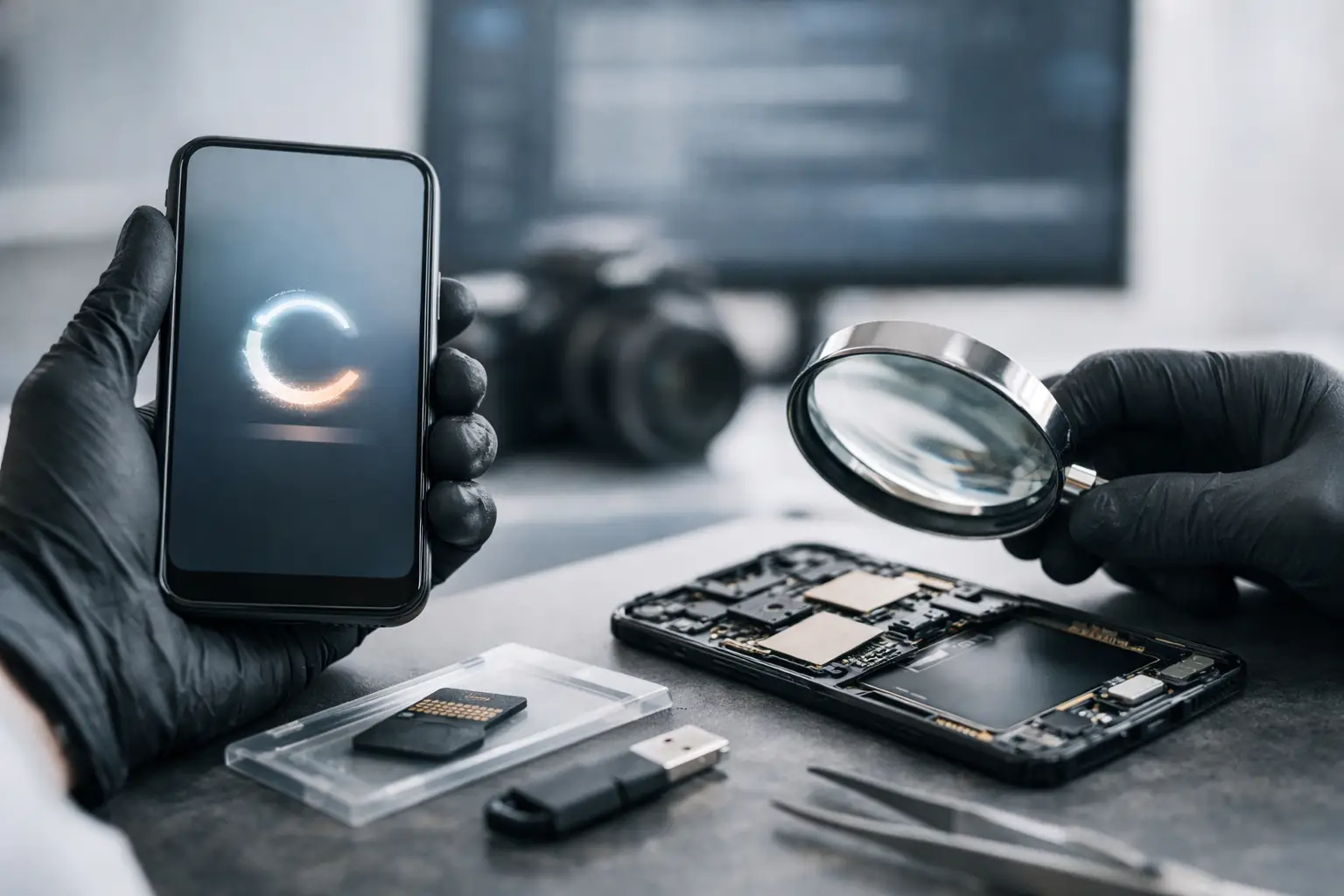
A factory reset is often treated as the digital equivalent of wiping a slate clean. In an investigation, that assumption can be costly. Does factory reset erase evidence? Sometimes it removes accessible user data, but it does not automatically remove every evidential trace, nor does it prevent a properly conducted forensic examination from establishing what happened.
For solicitors, businesses and private clients, the more urgent point is procedural: a reset changes the device. It may destroy material that could have supported or challenged a case, alter application artefacts, sever access to cloud-linked data and complicate the account of how a device was used. Where a phone, computer or tablet may be relevant to proceedings, preservation should come before investigation.
Does a Factory Reset Erase Evidence?
A factory reset restores a device to a state intended for a new user. On many modern devices, particularly smartphones using full-device encryption, it can make locally stored user data inaccessible by removing or replacing the encryption keys needed to read it. In practical terms, this may mean that photographs, messages, application data and documents previously held on the device cannot be recovered from its internal storage.
That is not the same as proving that the evidence has ceased to exist in every form. The answer depends on the device, operating system, storage technology, encryption status, the reset method, subsequent use and the wider digital environment around the device.
A reset may leave relevant evidence in backups, synchronised cloud accounts, linked computers, removable media, network logs, email accounts, messaging services, mobile network records or third-party platforms. It may also leave evidence about the reset itself, including account activity, activation information, timestamps, system records and indications of later use.
Forensic questions are rarely limited to whether a deleted file can be restored. An investigation may need to establish who used a device, which accounts were connected, when a reset occurred, whether data was synchronised elsewhere, or whether activity is consistent with an account given by a witness. Those questions can remain answerable even where local content is no longer available.
Why Modern Devices Change the Recovery Position
Older storage media often allowed deleted material to remain physically present until overwritten. The device merely marked the space as available for reuse. Forensic recovery could sometimes identify remnants of deleted files, messages or photographs from unallocated space.
Modern phones and computers are different. Encryption, solid-state storage and system functions such as TRIM can substantially reduce the prospect of recovering deleted local data. A factory reset on an encrypted iPhone or Android device may effectively render previous user data unreadable because the encryption keys have been removed. Continued use after the reset can further overwrite potentially recoverable material.
This does not justify a general statement that recovery is impossible. Device models, operating-system versions, security settings and the facts of the case matter. A forensic examiner will assess the specific device rather than relying on a generic promise of recovery. Any expert who guarantees that a reset device can be fully restored without first examining it is not offering a defensible forensic opinion.
Computers present a similarly variable picture. A reset or operating-system reinstallation may preserve some partitions, create recovery folders, retain cloud synchronisation settings or leave external drives untouched. Conversely, a secure erase process, encryption key destruction or replacement of storage media may materially limit recovery. The technical position must be documented and tested, not assumed.
Evidence May Exist Beyond the Reset Device
A device is usually one point within a broader evidence landscape. This is particularly relevant in civil disputes, criminal matters, employee investigations and cyber incidents, where the strongest evidence may be found by correlating several sources.
For example, messages removed from a handset may have been received by another participant and retained on their device. Photographs may have synchronised to a cloud account. A laptop may contain cached material, downloads or backups from the phone. Corporate systems may hold authentication logs, email records, endpoint telemetry, file-access records or security alerts. In a cybercrime investigation, router logs, firewall data and service-provider records may help establish a sequence of events even where a suspect device has been reset.
The evidential value lies in the relationship between those records. An isolated timestamp can be ambiguous. Consistent records from a handset, cloud account and workplace system may provide a far clearer and more reliable account. This is why digital forensic work should be scoped around the issues in dispute, not simply around a request to recover deleted data.
A Reset Can Become Evidence in Its Own Right
The fact that a factory reset took place may be relevant. It is not, by itself, proof of wrongdoing. Devices are routinely reset before sale, after technical faults, during upgrades or when a user forgets a passcode. A forensic report must remain impartial and distinguish technical findings from speculation about motive.
However, timing and context can matter. If a device was reset after notice of a dispute, after an employee was placed under investigation, or shortly after alleged communications took place, the reset may require careful examination. The issue is whether the available evidence supports a reliable chronology and whether potentially relevant data was altered or lost.
For legal proceedings, unsupported allegations that someone “wiped” a phone are unlikely to assist. A court-ready approach records what can be established: the condition of the device when received, its identifiers, the acquisition method, artefacts identified, limitations encountered and the basis for each conclusion. This provides the court or tribunal with evidence rather than advocacy disguised as technical opinion.
Preserve First, Then Investigate
When a potentially relevant device is identified, avoid treating it as an ordinary IT problem. Do not reset it, update it, install recovery software, repeatedly attempt passcodes or allow staff to continue using it. Each action can alter data, generate new records or reduce the prospect of recovery.
The appropriate response will depend on the circumstances, but immediate preservation generally means securing the device, recording its condition and preventing unnecessary interaction. Where possible, note the date, time, person in possession, visible state, accessories and any urgent concerns such as remote-wipe capability or active network connections. Do not attempt improvised isolation if doing so risks changing the device state.
For organisations, preservation should also extend beyond the handset or computer. Relevant accounts, cloud repositories, email systems, security logs and employee-issued equipment may require prompt legal hold and proportionate collection. Delays can matter because retention periods vary and synchronised services may continue to change.
A clear chain of custody is central to this process. It shows who held the item, when it was transferred, how it was stored and what examination steps were performed. Without it, even useful digital material may face avoidable challenge over integrity, contamination or provenance.
What a Defensible Forensic Examination Looks Like
A forensic examination is not simply an attempt to find deleted files. It begins with preservation and a defined scope. The examiner identifies the relevant questions, documents the device and uses methods designed to minimise alteration while obtaining the best available evidence.
The examination may involve a forensic acquisition of accessible data, analysis of device and application artefacts, review of account information and consideration of associated sources such as backups or computers. Where recovery is technically limited, that limitation is recorded plainly. Negative findings are not filled with assumptions.
The result should be a transparent report that explains the material examined, methodology used, findings, limitations and significance. For legal teams, this enables informed decisions about disclosure, case theory, further enquiries and the need for expert evidence. For businesses, it can establish the factual basis for disciplinary action, incident response or civil recovery.
Computer Forensics Lab approaches reset-device matters with that evidential discipline: protecting the original material, testing the realistic recovery options and presenting conclusions that can withstand scrutiny.
The Practical Question Is Not Only Whether Data Was Erased
A factory reset may make some local data unrecoverable, especially on modern encrypted devices. But it does not automatically erase the digital trail, resolve the issues in dispute or prevent an investigator from reconstructing relevant events from other evidence sources.
If a device has been reset and may be connected to a legal dispute, internal investigation or alleged cyber incident, act promptly and avoid further use. The next useful step is a professional assessment of what has been preserved, what may still be available and how the evidence can be handled fairly and defensibly.