

Cybercrime cases now make up over thirty percent of all reported criminal offenses across British courts, placing unprecedented pressure on London defence teams. The rapid expansion of digital evidence means criminal defense attorneys must adapt quickly to protect their clients’ interests. By understanding how forensic data analysis uncovers hidden digital narratives and challenges prosecution claims, you can dramatically strengthen your strategy in this fast-evolving field.
Table of Contents
- Defining Forensic Data Analysis In Legal Contexts
- Key Types Of Forensic Data Analysis Methods
- How Forensic Analysis Strengthens Defence Strategy
- Legal Standards And Admissibility Of Digital Evidence
- Minimising Risks And Compliance Challenges
Key Takeaways
| Point | Details |
|---|---|
| Forensic Data Analysis Transform Process | It converts raw digital data into legally admissible evidence essential for court proceedings. |
| Methodological Approaches | Includes disk forensics, network forensics, mobile device forensics, and cloud forensics, each targeting specific types of digital evidence. |
| Legal Standards for Admissibility | Digital evidence must meet standards of data integrity, chain of custody, tool validation, and expert qualifications to be considered admissible in court. |
| Risk Management Importance | Developing rigorous protocols and risk mitigation strategies is crucial to maintain the integrity of digital evidence throughout forensic investigations. |
Defining Forensic Data Analysis in Legal Contexts
Forensic data analysis represents a sophisticated investigative methodology that transforms raw digital information into legally admissible evidence for court proceedings. This specialised discipline involves systematically examining electronic data sources to uncover critical insights that can substantiate or challenge legal arguments in criminal and civil cases.
At its core, forensic data analysis integrates advanced technological techniques with rigorous analytical processes to extract meaningful information from complex digital environments. Digital evidence extraction methods now enable legal professionals to reconstruct digital narratives with unprecedented precision, revealing hidden connections and patterns that traditional investigative approaches might overlook.
In the context of London’s legal landscape, forensic data analysis serves multiple crucial functions. Investigators can recover deleted files, trace digital communications, analyse metadata, and reconstruct digital timelines that provide objective insights into complex legal scenarios. These techniques are particularly valuable in cases involving cybercrime, intellectual property disputes, corporate fraud investigations, and digital evidence collection.
Pro tip: Always maintain strict chain of custody protocols when handling digital evidence to ensure its legal admissibility in court proceedings.
Key Types of Forensic Data Analysis Methods
Forensic data analysis encompasses several sophisticated methodological approaches designed to extract, process, and interpret digital evidence with precision and legal integrity. These methods are critical for transforming complex electronic data into meaningful investigative insights that can withstand rigorous judicial scrutiny.
One primary approach involves digital evidence preprocessing techniques, which include advanced data filtering, machine learning algorithms, and natural language processing strategies. These techniques enable forensic experts to systematically manage large volumes of electronic information, identifying critical patterns, anomalies, and potential legal evidence that might otherwise remain concealed.
The primary categories of forensic data analysis methods include disk forensics, network forensics, mobile device forensics, and cloud forensics. Each specialisation focuses on extracting evidence from specific digital environments: disk forensics examines hard drive contents, network forensics tracks digital communications, mobile device forensics recovers data from smartphones and tablets, and cloud forensics investigates distributed digital storage systems. These approaches require specialised tools and deep technical expertise to navigate the complex landscape of digital information retrieval.
Here is a summary of key forensic data analysis methods and their main applications:
| Method | Primary Focus | Common Legal Applications |
|---|---|---|
| Disk Forensics | Hard drive content analysis | Fraud, data theft, deleted files |
| Network Forensics | Digital communication tracing | Cybercrime, breaches, IP theft |
| Mobile Device Forensics | Data from phones/tablets | Harassment, theft, alibi validation |
| Cloud Forensics | Distributed storage evidence | Corporate espionage, GDPR cases |
Pro tip: Invest in continuous professional training to stay updated on emerging digital forensics technologies and legal evidence extraction methodologies.
How Forensic Analysis Strengthens Defence Strategy
Forensic analysis has emerged as a critical tool for defence lawyers seeking to challenge prosecution evidence and uncover alternative narratives in complex legal proceedings. By systematically examining digital traces, forensic experts can reveal nuanced insights that potentially challenge or invalidate seemingly straightforward accusations.
Forensic evidence reliability plays a pivotal role in preventing wrongful convictions by ensuring that digital evidence meets stringent scientific and legal standards. Defence strategies can leverage forensic analysis to demonstrate inconsistencies, expose potential evidence tampering, or provide alternative interpretations of digital records that might exonerate the defendant.

The strategic application of forensic data analysis allows defence counsel to deconstruct complex digital narratives with scientific precision. By employing advanced techniques such as metadata analysis, communication pattern reconstruction, and digital timeline verification, lawyers can challenge prosecution claims, expose potential investigative biases, and introduce reasonable doubt. This approach transforms raw digital data into a powerful defensive tool that can critically examine the prosecution’s evidentiary foundation.
Pro tip: Collaborate closely with forensic experts early in case preparation to develop a comprehensive strategy for digital evidence interpretation and challenge.
Legal Standards and Admissibility of Digital Evidence
The landscape of digital evidence admissibility represents a complex intersection of technological advancement and legal procedural requirements. Courts across the United Kingdom increasingly recognise the critical role of digital forensic evidence while simultaneously maintaining stringent standards to ensure its reliability, authenticity, and legal validity.
Legal frameworks governing digital evidence have evolved to address the unique challenges posed by modern digital technologies. These frameworks establish comprehensive criteria that forensic experts must meet, including demonstrating precise data collection methods, maintaining unbroken chain of custody, and providing transparent documentation of forensic analysis processes that can withstand rigorous judicial scrutiny.
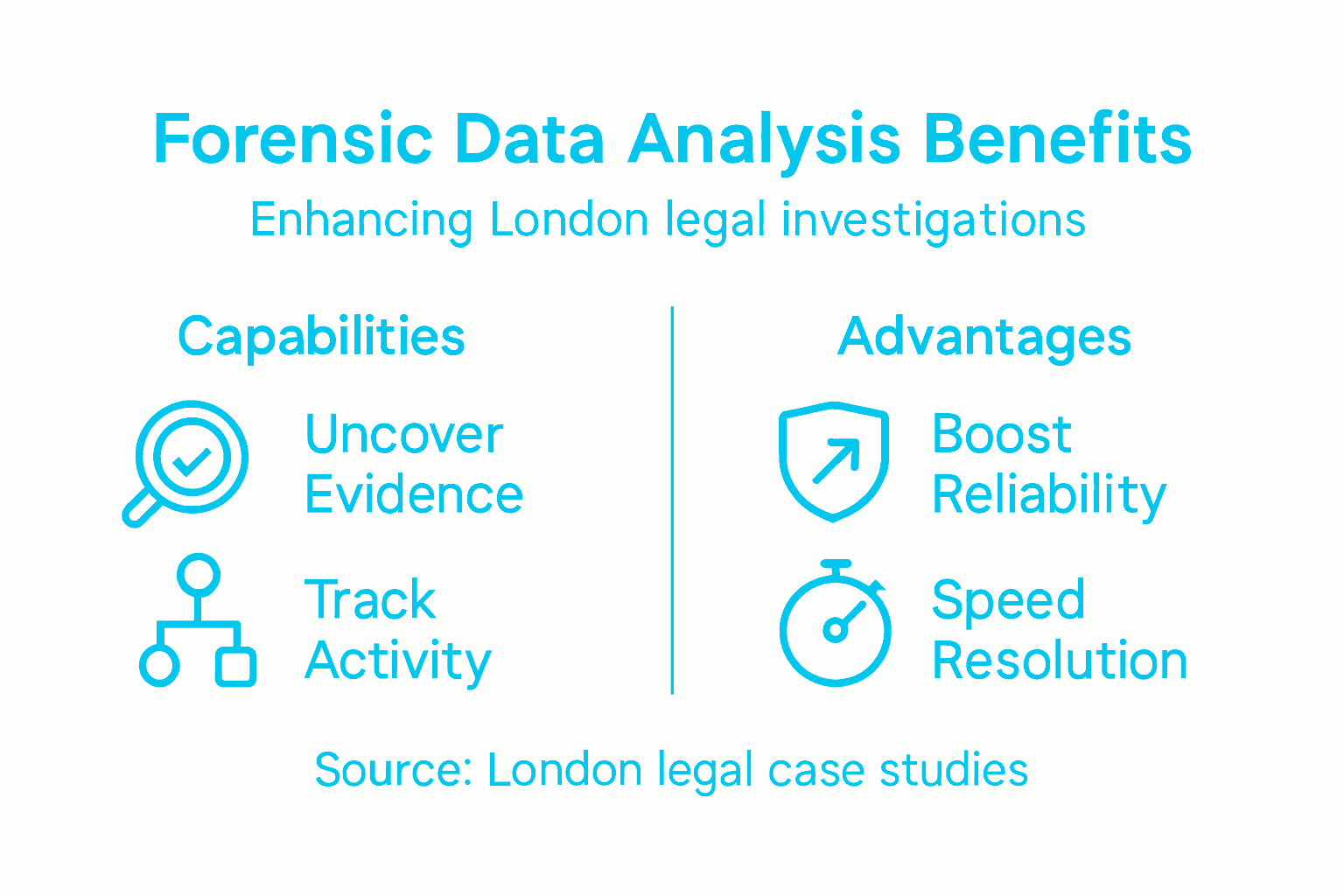

To be considered admissible, digital evidence must satisfy several critical standards. These include proving the integrity of the digital artifacts, verifying the forensic tools and methodologies used, establishing the expert’s qualifications, and demonstrating that the evidence has not been altered or compromised during collection and analysis. Forensic professionals must provide comprehensive documentation that allows independent verification of their investigative techniques, ensuring that the digital evidence meets the highest levels of scientific and legal credibility.
The following table compares essential standards for digital evidence admissibility:
| Standard | Why It Matters | Example in Legal Context |
|---|---|---|
| Data Integrity | Prevents tampering or alteration | Verifying no edits post-collection |
| Chain of Custody | Confirms unbroken record of handling | Signed log by each handler |
| Tool Validation | Ensures forensic tools are reliable | Approved software use only |
| Expert Qualification | Establishes investigator credibility | Certified examiner testifies |
Pro tip: Document every step of digital evidence collection meticulously, maintaining comprehensive logs that demonstrate unimpeachable forensic methodology and professional integrity.
Minimising Risks and Compliance Challenges
Forensic data analysis demands a meticulous approach to risk management, particularly when handling sensitive digital evidence that could significantly impact legal proceedings. Legal professionals must navigate a complex landscape of technological vulnerabilities and regulatory requirements to ensure the integrity and admissibility of digital forensic investigations.
Multi-approach data protection systems have become critical in addressing the escalating challenges of digital evidence collection. These comprehensive frameworks are designed to mitigate risks such as evidence tampering, unauthorized access, and potential data corruption, which could compromise the entire forensic investigation process.
Comprehensive risk mitigation strategies involve implementing rigorous protocols that address multiple dimensions of digital forensic work. This includes establishing strict chain of custody procedures, utilising forensically-validated tools, maintaining detailed audit trails, ensuring secure evidence storage, and developing robust authentication mechanisms. Forensic experts must also continuously update their methodologies to address emerging technological threats and evolving legal standards, creating a dynamic and adaptive approach to digital evidence management.
Pro tip: Develop a standardised risk assessment checklist that comprehensively evaluates potential vulnerabilities in your digital forensic investigation workflow before commencing evidence collection.
Unlock the Full Potential of Forensic Data Analysis for Your London Case
Facing complex legal challenges involving digital evidence requires precision and expert handling. This article highlights critical pain points such as maintaining chain of custody, ensuring data integrity, and leveraging advanced forensic techniques to construct a strong defence or prosecution strategy. Whether dealing with cybercrime, fraudulent activity, or intellectual property disputes, understanding forensic data analysis terminology and best practices is vital.
At Computer Forensics Lab, we specialise in providing comprehensive Digital Forensics solutions tailored to legal professionals in London. Our expert team ensures rigorous adherence to legal standards and meticulous handling of your digital evidence through trusted Chain of Custody Tracking protocols. Do not let uncertainties around digital evidence slow your case. Visit our main site at Computer Forensics Lab today to discover how we can strengthen your investigation with professional forensic expertise. Act now to safeguard the integrity and reliability of your digital evidence before crucial deadlines arrive.
Frequently Asked Questions
What is forensic data analysis?
Forensic data analysis is a method used to examine electronic data to extract meaningful information that can be used as evidence in legal cases. It involves transforming raw data into information that can support or challenge legal arguments.
How does forensic data analysis benefit legal cases?
Forensic data analysis helps uncover crucial insights such as deleted files, digital communications, and metadata. These elements can substantiate claims, reveal inconsistencies, and strengthen defence strategies in both criminal and civil cases.
What are the main types of forensic data analysis techniques?
The primary types include disk forensics, network forensics, mobile device forensics, and cloud forensics. Each method targets specific digital environments to extract relevant evidence depending on the case requirements.
Why is maintaining the chain of custody important in forensic data analysis?
Maintaining a strict chain of custody is crucial to ensure that digital evidence remains legally admissible. It helps confirm that the evidence has not been tampered with or altered during the collection and analysis process.