
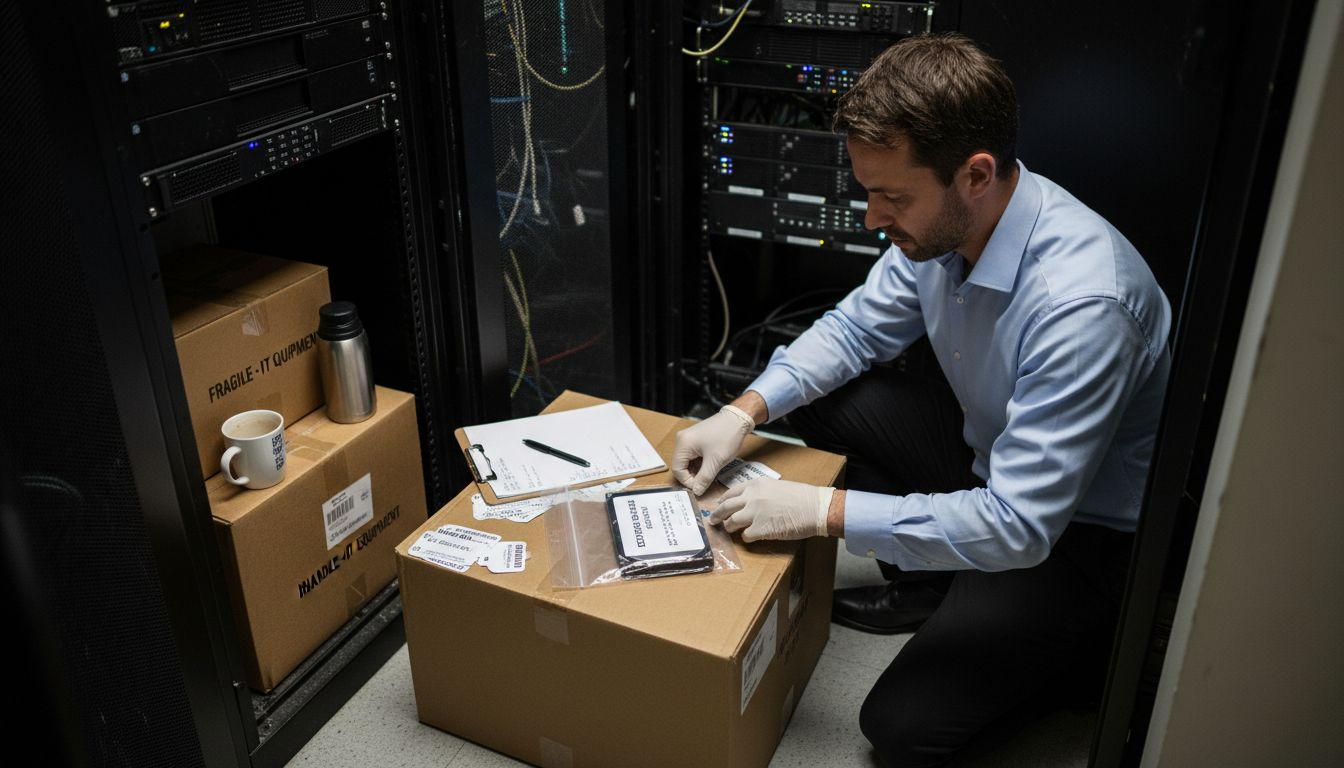
Facing digital evidence in a London courtroom often means navigating complex layers of technical procedure and legal standards. For criminal defence attorneys, mastering forensic imaging offers a powerful advantage when confronting cybercrime allegations. This guide presents step-by-step strategies—like securing digital crime scenes and validating forensic images—that help build a robust defence by ensuring every piece of digital evidence is reliably preserved, documented, and admissible.
Table of Contents
- Step 1: Establish Forensic Readiness And Secure The Scene
- Step 2: Select And Configure Imaging Hardware And Software
- Step 3: Create A Forensic Image With Verified Methods
- Step 4: Document Chain Of Custody For All Actions
- Step 5: Validate Image Integrity And Evidence Admissibility
Quick Summary
| Essential Insight | Clarification |
|---|---|
| 1. Ensure forensic readiness | Establish clear protocols and secure the scene to protect digital evidence from contamination and facilitate reliable investigations. |
| 2. Select proper imaging tools | Use compatible hardware and software that maintain data integrity and adhere to standardised forensic protocols for effective evidence collection. |
| 3. Create verified forensic images | Produce exact duplicates of digital media using rigorous methods, ensuring each image is properly documented and hash-verified for legal admissibility. |
| 4. Document chain of custody | Maintain meticulous records of all interactions with evidence to ensure transparency and uphold the legal integrity of the digital artifacts. |
| 5. Validate integrity of evidence | Employ cryptographic techniques to verify that digital evidence remains unchanged throughout the investigation, reinforcing its reliability in court. |
Step 1: Establish forensic readiness and secure the scene
Establishing forensic readiness is a critical initial phase in preserving digital evidence for potential legal proceedings. This foundational step involves strategic preparation to ensure maximum potential for successful digital investigations while minimising potential contamination risks.
To effectively secure a digital forensic scene, investigators must implement systematic protocols that protect and document potential evidence. Forensic readiness fundamentals require comprehensive preparation across multiple dimensions:
- Establish physical and digital perimeters
- Restrict unqualified personnel access
- Document initial scene conditions
- Prevent potential evidence degradation
The process begins with creating a comprehensive scene containment strategy. This involves immediately isolating the digital environment, whether it’s a computer network, individual workstation, or mobile device. Key actions include disconnecting network connections, preventing potential remote access, and ensuring no unauthorised personnel can interact with the systems.
Documentation becomes paramount during this initial phase. Investigators must meticulously record the exact state of digital systems, capturing screenshots, network configurations, and device statuses before any interventive actions. This creates an unassailable forensic trail that can withstand legal scrutiny.
Critical forensic readiness demands proactive preparation and methodical evidence preservation techniques.
Top Expert Tip: Always assume every digital scene is potentially part of a critical legal investigation and treat it with corresponding professional rigour.
Step 2: Select and configure imaging hardware and software
Selecting appropriate imaging hardware and software represents a critical foundation for conducting reliable digital forensic investigations. This crucial step determines the effectiveness of evidence collection and analysis methodologies.
Forensic technology evaluation requires careful consideration of multiple technical and operational parameters. Investigators must prioritise systems that balance technical capabilities with practical usability:
- Compatibility with multiple device types
- Robust data preservation mechanisms
- Standardised forensic imaging protocols
- Comprehensive metadata capture
- Verification and validation features
When configuring forensic imaging systems, professionals need to assess hardware specifications meticulously. This involves selecting write-blockers, forensic workstations, and specialised acquisition tools that prevent unintended data modifications during evidence collection. Enterprise-grade forensic workstations should feature high-performance processors, substantial RAM, and multiple secure storage options to handle complex digital investigations.
Software selection demands equally rigorous scrutiny. Preferred forensic imaging applications must provide comprehensive chain of custody documentation, support multiple file system formats, and generate verifiable forensic images that maintain absolute data integrity. Investigators should prioritise solutions offering detailed logging, hash verification, and court-admissible reporting capabilities.
Effective forensic imaging transcends technological selection – it requires a strategic approach balancing scientific precision with judicial standards.
Top Expert Tip: Always validate your forensic imaging tools against recognised industry standards and maintain meticulous documentation of every technical configuration and acquisition process.
Step 3: Create a forensic image with verified methods
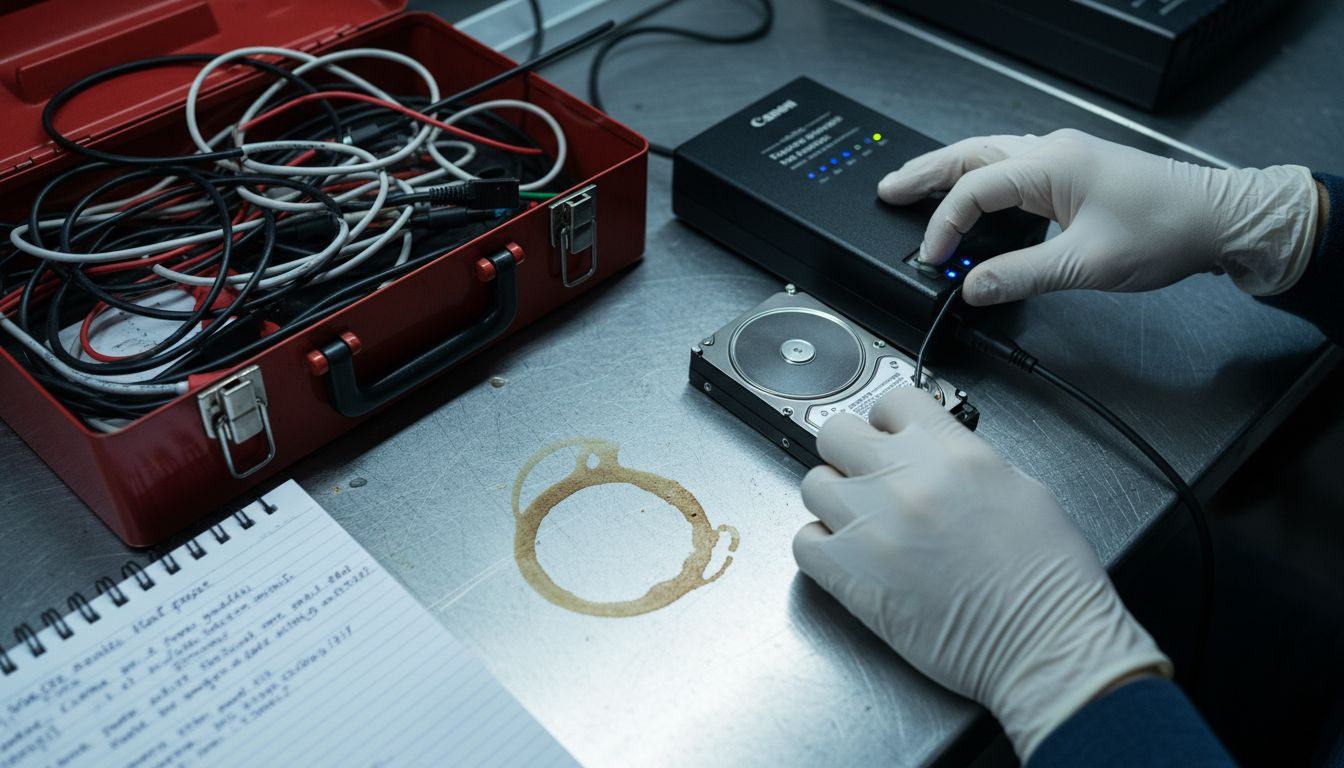
Creating a forensic image represents the most critical phase of digital evidence preservation, transforming raw data into a legally admissible investigative resource. Your goal is to generate an exact, unaltered duplicate of digital media that can withstand intense judicial scrutiny.
Digital forensic imaging standards demand meticulous attention to preservation protocols. Investigators must follow rigorous procedures to ensure maximum data integrity:
- Use specialised write-blocking hardware
- Select validated forensic imaging tools
- Perform comprehensive hash verification
- Document acquisition methodology
- Generate multiple evidence copies
The imaging process requires strategic decision-making regarding acquisition techniques. Static acquisition works best for powered-off devices, while live forensic imaging becomes necessary for volatile systems containing active memory or running processes. Professionals must choose between bit-stream imaging and logical acquisition based on specific investigation requirements.

The following table compares static and live forensic imaging approaches:
| Criteria | Static Acquisition | Live Forensic Imaging |
|---|---|---|
| Device State | Powered off | Device remains powered on |
| Evidence Types Captured | Entire disk, unmounted media | Memory, active processes, volatile data |
| Chance of Data Change | Minimal once powered down | Higher risk due to live system |
| Ideal Use Case | Traditional storage investigations | Critical for volatile evidence |
Verification represents the cornerstone of forensic imaging. Cryptographic hash calculations using algorithms like MD5 or SHA-256 provide mathematical proof of data integrity. Investigators should generate hash values before and after imaging, ensuring absolute bit-for-bit reproduction of the original digital evidence.
Forensic imaging transcends mere data copying – it is a scientifically rigorous process that preserves digital evidence’s legal authenticity.
Top Expert Tip: Always create redundant forensic images stored on separate, write-protected media to mitigate potential single-point-of-failure risks during digital investigations.
Step 4: Document chain of custody for all actions
Documenting the chain of custody represents the legal backbone of digital forensic investigations, ensuring every action taken with potential evidence can be transparently tracked and verified. Your meticulous record-keeping will ultimately determine the admissibility of digital evidence in court proceedings.
Digital evidence handling protocols demand comprehensive documentation that captures every interaction with potential legal materials. Investigators must create an unbroken, chronological narrative that demonstrates absolute control and integrity:
- Record precise timestamp of every action
- Identify all personnel handling evidence
- Document transfer and storage conditions
- Use standardised forensic logging templates
- Generate cryptographically signed evidence logs
The documentation process requires systematic and detailed tracking. Forensic log entries must include critical metadata such as examiner names, specific actions performed, equipment used, environmental conditions, and hash verification results. Each log entry should provide a clear, unambiguous account that could withstand rigorous cross-examination.
Physical and digital evidence require identical custody tracking approaches. Investigators should implement multi-layered verification systems that combine written logs, digital signatures, video recordings, and forensic tool metadata to create multiple independent verification streams.
Chain of custody documentation is not merely administrative – it is the legal lifeline that transforms digital artifacts into admissible court evidence.
Top Expert Tip: Treat every document, log entry, and metadata record as if it will be scrutinised by a hostile legal counsel – absolute precision is your best defence.
Step 5: Validate image integrity and evidence admissibility
Validating forensic image integrity represents the critical final checkpoint in ensuring digital evidence will withstand intense judicial scrutiny. Your goal is to demonstrate beyond doubt that the digital evidence remains pristine and unaltered throughout the investigation process.
Digital evidence verification techniques provide robust mechanisms for confirming data authenticity. Investigators must implement comprehensive validation strategies that go far beyond simple file comparisons:
- Generate cryptographic hash values
- Compare pre and post-imaging hash signatures
- Use multiple hash algorithms
- Document verification procedures
- Preserve original evidence metadata
The validation process centres on cryptographic techniques that create mathematical fingerprints of digital evidence. Forensic hash verification involves generating unique cryptographic signatures using algorithms like SHA-256 or MD5, which produce distinctive digital representations that change dramatically with even microscopic data modifications.
Here is a summary of popular cryptographic hash algorithms commonly used in forensic practice:
| Algorithm | Output Length | Collision Resistance | Typical Use in Forensics |
|---|---|---|---|
| MD5 | 128 bits | Moderate | Quick checks, legacy systems |
| SHA-1 | 160 bits | Moderate | Transitional, some compatibility |
| SHA-256 | 256 bits | Strong | Preferred for court evidence |
| SHA-512 | 512 bits | Very strong | High-assurance environments |
Evidence admissibility hinges on demonstrating unbroken forensic protocols. This means maintaining meticulous documentation that illustrates every step taken during evidence acquisition, preservation, and analysis. Each action must be traceable, reproducible, and aligned with recognised legal and scientific standards.
Forensic image validation transcends technical procedure – it is the scientific bridge that transforms raw digital data into credible legal evidence.
Top Expert Tip: Always generate and store hash values using at least two different cryptographic algorithms to provide redundant verification and enhance evidential reliability.
Secure Reliable Digital Evidence with Expert Forensic Imaging
The forensic imaging process described emphasises the critical need for precise, verified methods that guarantee evidence integrity and legal admissibility. If you face challenges such as maintaining an unbroken chain of custody or ensuring your digital evidence withstands rigorous judicial scrutiny the pain of uncertain or compromised data can put your entire case at risk. Key concepts like cryptographic hash verification and documented acquisition protocols are more than technical jargon they are the very foundation for trustworthy digital investigations.
Trusting professional experts makes all the difference. At Computer Forensics Lab, we specialise in advanced Digital Forensics techniques tailored to preserve evidence authenticity. Our meticulous approach to Chain of Custody Tracking guarantees transparent handling of every digital artefact from seizure through to expert witness reporting. Don’t leave the reliability of your digital evidence to chance act now to safeguard your legal process with proven forensic imaging services designed for complete confidence. Visit us today at https://computerforensicslab.co.uk to learn how we can assist you.
Frequently Asked Questions
What is the forensic imaging process for preserving digital evidence?
The forensic imaging process involves creating an exact, unaltered duplicate of digital media to ensure the integrity of evidence. Start by selecting certified imaging hardware and software, then follow verified methods to document and validate the imaging process to maintain the chain of custody.
How can I ensure the integrity of forensic images during the imaging process?
To ensure integrity, use specialised write-blocking hardware and validated imaging tools, and perform hash verifications before and after imaging. Record all steps meticulously to create a credible chain of custody documentation that verifies data authenticity.
What steps should I take to document the chain of custody for digital evidence?
Begin by recording the precise timestamp of every action related to the evidence, including who handled it and how it was transferred or stored. Use standardised forensic logging templates to maintain a clear, chronological record that can withstand legal scrutiny.
How do I validate that the forensic image is admissible in court?
To validate admissibility, generate cryptographic hash values for the evidence and compare them before and after imaging. Document your verification procedures meticulously to demonstrate that all protocols were followed consistently.
What type of hardware should I use for forensic imaging?
Utilise enterprise-grade forensic workstations with high-performance processors and ample RAM, alongside write-blockers and specialised acquisition tools. This setup will ensure optimal performance and data preservation during the imaging of various devices.
Why is documentation so critical in the forensic imaging process?
Documentation is crucial as it provides a transparent, traceable account of all actions taken with the evidence. Maintain detailed logs to illustrate adherence to forensic protocols, which are vital for the evidence to be considered credible in legal settings.
Recommended
- 7 Essential Forensic Analysis Tools List for Legal Teams
- 7 Top Digital Forensics Techniques Every Legal Team Must Know
- Master the Data Recovery Workflow for Legal Evidence
- Master the Network Forensics Workflow for Effective Investigations
- Employment Lawsuit Process Overview for California Workers – Los Angeles Employment Lawyers | California United Law Group, P.C.