
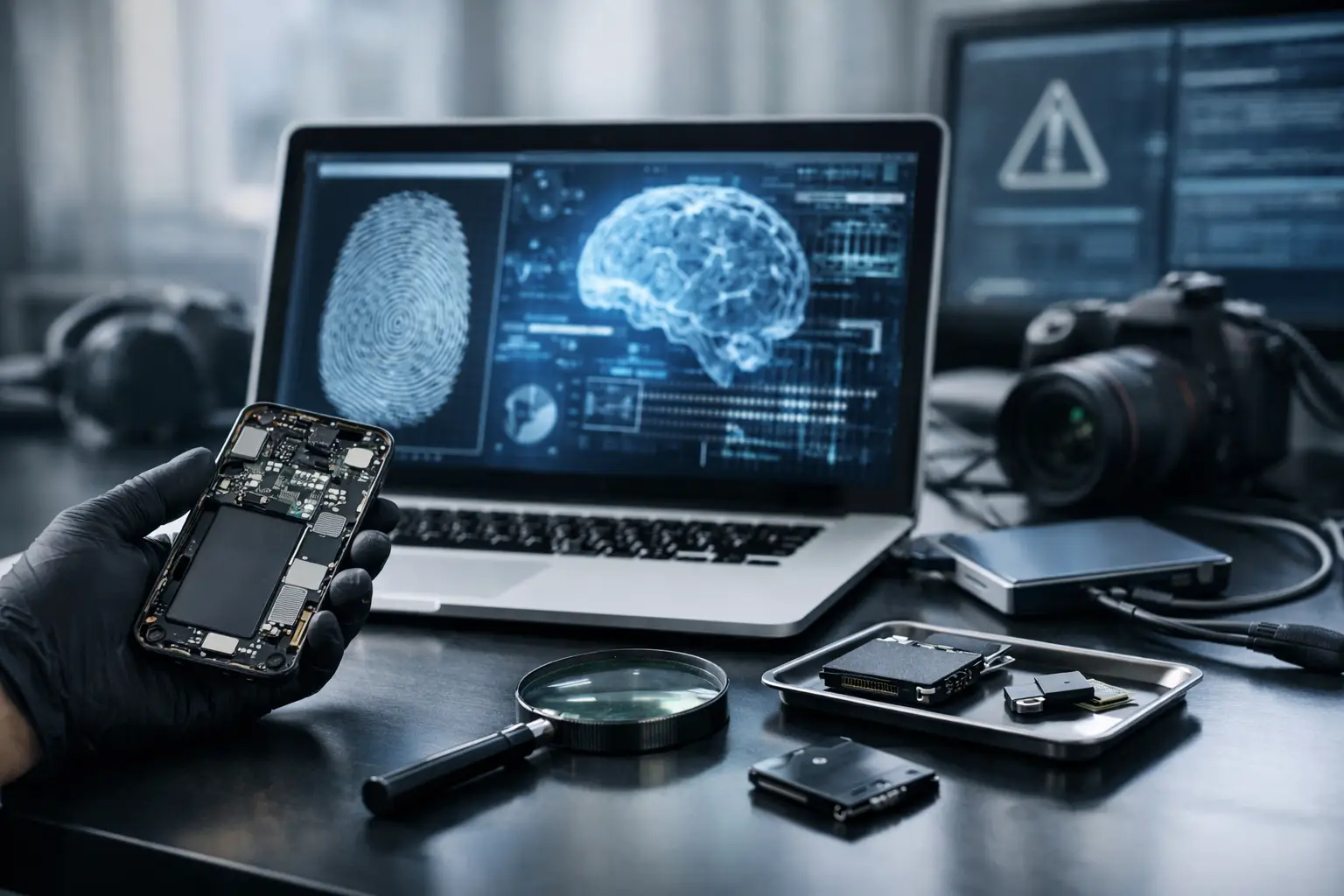
A phone with deleted messages. A laptop suspected of data theft. A server touched during a ransomware incident. In each case, the question is not simply what happened, but what can be proved. That is where digital forensics matters. If you are asking what is digital forensics, the short answer is this: it is the disciplined process of identifying, preserving, examining and presenting digital evidence so that findings can withstand legal, regulatory and investigative scrutiny.
That definition sounds straightforward until the stakes rise. In litigation, criminal proceedings, internal misconduct matters or cyber incidents, digital evidence is only as useful as the way it has been handled. A screenshot, an informal device check or a hurried export from an app may point investigators in a direction, but it will not always satisfy a court or survive challenge from the other side. Digital forensics exists to bridge that gap between suspicion and defensible proof.
What is digital forensics in practice?
In practice, digital forensics is a specialist investigative discipline. It deals with data held on computers, mobile phones, tablets, storage media, cloud-linked accounts, email systems, messaging platforms, networks and other electronic sources. The aim is not merely to find information, but to recover and interpret it in a way that preserves evidential integrity.
That distinction matters. A standard IT review may focus on restoring access or troubleshooting a device. A forensic examination is different. It follows a controlled methodology, records every significant step, preserves the original evidence, and works from forensic copies or approved extraction methods wherever possible. The examiner must be able to explain what was done, why it was done, what was found, and what the limits of those findings are.
For solicitors and corporate investigators, this is often the point that determines whether digital material becomes useful evidence or remains vulnerable to challenge. The issue is not only whether a message, file or login record exists. It is whether the route taken to obtain and analyse it is transparent, proportionate and capable of independent review.
The core stages of a digital forensic investigation
Most digital forensic work follows four connected stages: identification, preservation, analysis and reporting. The order sounds neat on paper, but real cases are rarely neat.
Identification means establishing what devices, accounts and data sources may hold relevant evidence. That could include a handset, a work laptop, removable media, company email, cloud storage, CCTV exports or app-based communications. At this stage, scope is crucial. Too narrow, and relevant evidence is missed. Too broad, and cost, delay and privacy risk increase.
Preservation is where evidential discipline becomes visible. Devices may need to be isolated, secured and documented. Data can change quickly, particularly on live systems or cloud-based platforms. If a device is powered on, connected to a network or accessed by a well-meaning colleague, metadata may be altered and evidence may be lost. Proper preservation protects both the data and the credibility of the investigation.
Analysis is the technical and interpretive stage. This may involve recovering deleted files, extracting messages, reconstructing user activity, examining internet history, identifying file transfers, reviewing timestamps, tracing external media use or assessing indicators of compromise after unauthorised access. It can also involve excluding possibilities. Sometimes the most valuable forensic finding is that the available data does not support the allegation being made.
Reporting turns technical work into evidence that lawyers, clients and courts can use. A proper forensic report should set out the instructions received, the material examined, the methods used, the findings made and any relevant limitations. It should be clear enough for non-technical readers, but precise enough to withstand scrutiny from another expert.
Why chain of custody is central
A digital forensic examination is not persuasive simply because specialist software was used. It is persuasive because the handling of the evidence can be accounted for from the point of collection through to reporting.
This is the role of chain of custody. It records who had the evidence, when they had it, what was done to it and how it was stored or transferred. If there are gaps, the other side may argue that the evidence was altered, contaminated or mishandled. In a contested matter, that challenge can be as damaging as the absence of evidence itself.
For legal professionals, chain of custody is not an administrative extra. It is part of the foundation on which admissibility, weight and credibility rest. The same applies in internal investigations. If disciplinary action or civil claims may follow, the process used to obtain digital evidence can become as important as the evidence recovered.
What digital forensics can reveal
Digital forensics can answer a wide range of factual questions, but only within the limits of the available material. It may show when a document was created, modified or transferred. It may recover deleted WhatsApp messages or identify whether USB devices were connected to a machine. It may reveal web activity, geolocation records, call data, email exchanges or evidence of remote access.
In cyber matters, forensic analysis may help determine how an attacker gained entry, what systems were accessed, whether data was exfiltrated, and whether malicious tools remain present. In employment and commercial disputes, it can help establish whether confidential information was copied, whether company systems were misused, or whether stated timelines fit the digital record.
In criminal and family matters, the questions can be equally direct. Was a device in use at a key time? Were images or messages actually stored on the handset? Is there evidence of contact, harassment, concealment or account compromise? The strength of forensic work lies in its ability to move beyond allegation and test the digital footprint against the case theory.
What digital forensics is not
It is equally important to understand what digital forensics is not. It is not a licence to speculate. It is not a search for convenient material while ignoring inconvenient material. And it is not the same as general IT support, data recovery in isolation, or a quick review by someone without forensic training.
A proper examiner must remain impartial. That is especially important when instructed by one party to a dispute. The expert’s role is to assist the court or the investigation by presenting findings objectively, not by acting as an advocate in technical clothing. If the evidence does not support the client’s preferred narrative, that must be said plainly.
This is one reason serious forensic providers place such emphasis on methodology, validation, peer review and transparent reporting. In high-stakes cases, confidence comes from process, not assertion.
The limits and trade-offs in forensic work
Digital forensics is powerful, but it is not magic. Some data cannot be recovered. Devices may be damaged, encrypted or overwritten. Cloud platforms may retain little historic information. Apps change, operating systems update, and user behaviour can obscure context. Timing matters as well. Delay can narrow what is recoverable.
There are also proportionality questions. A full device examination is not always necessary or appropriate. In some matters, a targeted extraction focused on key date ranges, custodians or communication types is the better course. That may reduce cost, speed up review and limit unnecessary intrusion into private or irrelevant material.
Privacy, privilege and data protection cannot be treated as afterthoughts. In corporate and legal matters, forensic scope often has to be carefully designed to avoid over-collection and to protect legally privileged or sensitive personal information. A disciplined investigation balances evidential need with legal and procedural restraint.
When to involve a digital forensics specialist
The earlier a specialist is involved, the better the chance of preserving meaningful evidence. That is particularly true where devices are still live, staff departures are recent, cyber incidents are unfolding, or allegations are likely to lead to litigation.
Waiting can create avoidable problems. Devices may be reset, accounts changed, backups rotated or users given opportunities to alter records. Even when evidence still exists, late instruction can increase cost because the examiner must first deal with the consequences of poor preservation.
For solicitors, early expert input can also sharpen case strategy. It helps identify what data is likely to exist, what recovery is realistic, whether the evidence supports urgent applications, and how best to frame disclosure or preservation requests. For businesses and private clients, it can mean the difference between a controlled investigation and a reactive scramble.
At firms such as Computer Forensics Lab, the work is not simply about extracting data. It is about producing evidence that is court-ready, properly preserved and presented in a form that stands up when challenged.
Why the question matters
Asking what is digital forensics is really asking something larger: how do you turn digital material into credible evidence? In modern disputes and investigations, that question appears again and again because so much of human behaviour now leaves an electronic trace.
The sensible approach is not to assume every device holds a decisive answer, nor to treat every recovered message as conclusive. It is to handle the evidence with precision, test it carefully, and let the findings speak within their proper limits. When the facts matter and the process will be examined, that discipline is what gives digital evidence its value.