A cyberthreat is any circumstance or event with the potential to cause harm through an information system, such as theft of data, disruption of services or damage to a device. The critical distinction is that a threat describes a possibility, whilst an attack is the act itself once that possibility becomes reality, a difference the NIST Cybersecurity Glossary sets out formally.
TL;DR:
- Europol’s IOCTA 2024 flags ransomware, data theft, and business email compromise as persistent high impact threats, with stolen data feeding further cybercrime.
- Patch known flaws, enable multifactor authentication, and disable unused services; prioritize weaknesses by likelihood and impact, especially on critical systems.
- Maintain backups and test restores, filter suspicious email, limit account privileges, and segment critical systems to contain damage if an account is compromised.
- For confirmed breaches, ransomware, suspected insider theft, or potential legal action, contact a specialist and preserve affected devices, logs, and a written timeline.
Table of Contents
- Defining a cyberthreat and clearing up the confusion with an attack
- The common types of cyberthreats you are likely to encounter
- How threats exploit vulnerabilities to create real risk
- Practical prevention steps for people and small organisations
- How digital forensics sees cyberthreats in practice
- A forensic perspective on when threats become incidents
- FAQ
- Sources
Defining a cyberthreat and clearing up the confusion with an attack
The NIST Cybersecurity Glossary defines a cyberthreat as any circumstance or event with the potential to adversely impact organisational operations, assets or individuals through an information system. This definition matters because it separates potential from action: a threat exists the moment a weakness or opportunity for harm exists, regardless of whether anyone has exploited it yet.
A threat source, sometimes called a threat actor, is the entity or circumstance behind that potential, whether a criminal group, a disgruntled employee or an unpatched piece of software waiting to be exploited. An attack, by contrast, is what happens when a threat source acts on that potential. A phishing email sitting unopened in an inbox represents a threat. The moment someone clicks the link and enters their credentials, it becomes an attack with a measurable outcome.
A few short examples make the distinction concrete. An exposed cloud storage bucket is a threat until someone downloads the data inside it. A weak password policy is a threat until a brute-force attempt actually succeeds. A known software flaw is a threat until malicious code is written to exploit it.
Several terms recur throughout this field and are worth holding in mind as you read further:
- Threat: the potential for harm, not yet realised.
- Threat actor: the individual, group or automated system capable of causing that harm.
- Attack: the realised act that exploits a threat.
- Vulnerability: the weakness that makes an attack possible.
- Risk: the likely impact if a threat exploits a vulnerability.
The common types of cyberthreats you are likely to encounter
Cyberthreats take several recognisable forms, each with its own mechanics and typical targets.
- Malware: software designed to damage, disrupt or gain unauthorised access to a system, including ransomware that encrypts files for extortion, trojans that disguise themselves as legitimate programs and worms that self-replicate across networks.
- Phishing and business email compromise: social engineering that tricks a person into revealing credentials or authorising a fraudulent payment, often by impersonating a trusted contact or supplier.
- Botnets and distributed denial-of-service attacks: networks of compromised devices assembled without their owners’ knowledge, then directed to flood a target system with traffic until it becomes unavailable.
- Advanced persistent threats: long-term, carefully targeted campaigns typically run by well-resourced groups, including nation-state actors, who prioritise stealth and sustained access over quick disruption.
- Insider threats: harm caused by someone with legitimate access, whether through negligence, such as mishandling sensitive files, or malicious intent, such as deliberately exfiltrating company data before resigning.
- Supply-chain and web-skimming attacks: compromise introduced through third-party code or vendors, where malicious scripts inserted into a website or software update quietly harvest payment details or credentials from unsuspecting users.
Europol’s IOCTA 2024 identifies ransomware, data theft and business email compromise as persistent high-impact threats, noting that stolen data continues to fuel a wide range of downstream cybercrime. A recent CISA advisory documenting government-linked actors describes large-scale scanning combined with hands-on credential harvesting, illustrating how automated and manual techniques now work together within a single campaign.
How threats exploit vulnerabilities to create real risk
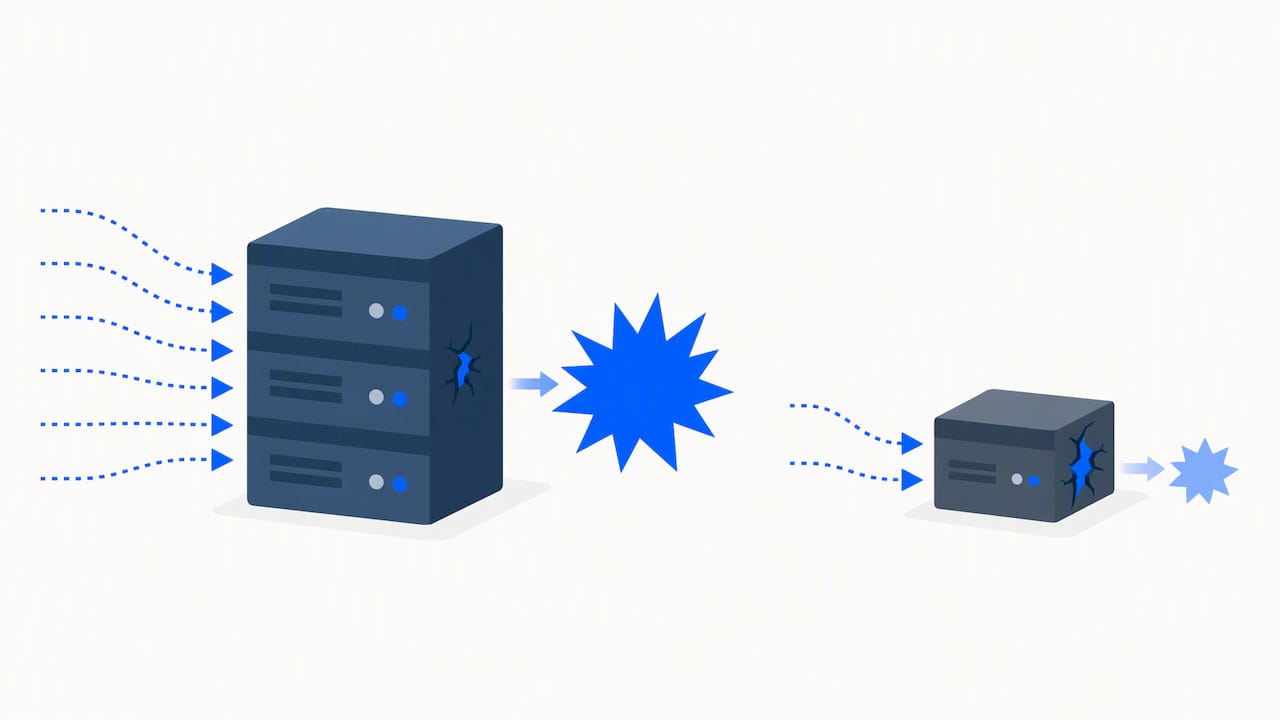
A threat only becomes dangerous when it meets a vulnerability it can exploit, and the resulting exposure is what practitioners call risk. NIST defines vulnerability as a known weakness that a threat source can exploit, and reducing that weakness is the most direct way to reduce the risk attached to any given threat.
Three everyday examples show how this plays out:
- An unpatched remote desktop service left open to the internet gives a threat actor a direct route into a network.
- An exposed cloud storage container with no access controls turns a routine misconfiguration into a data exposure risk.
- Reused passwords across multiple accounts mean a single breach elsewhere can unlock systems that were never directly attacked.
CISA guidance consistently recommends regular vulnerability management and penetration testing as the practical mechanism for closing these gaps before a threat actor finds them. Patching known flaws, disabling unused services and enforcing multi-factor authentication each remove a specific exploitation path, which is why they appear repeatedly across security advisories.
Pro Tip: Prioritise fixes by weighing both likelihood and impact, since a minor flaw on a critical system often deserves attention before a serious flaw on something peripheral.

Practical prevention steps for people and small organisations
Reducing exposure to cyberthreats does not require a large security team, but it does require consistency. The following sequence reflects where the return on effort is highest.
- Enable multi-factor authentication on every account that supports it, starting with email and financial services.
- Apply critical patches promptly rather than deferring updates for convenience.
- Maintain backups and test restores, since a backup you have never tried to recover from is not a reliable safeguard.
- Filter suspicious email and train staff to recognise manipulative language, unexpected attachments and requests to change payment details.
- Remove or block unused ports and services, and apply least-privilege access so that one compromised account cannot reach everything.
- Segment critical systems so that a breach in one area does not automatically expose the rest of the network.
Knowing when to escalate matters as much as the hygiene steps themselves. Signs that point towards professional digital forensics investigations rather than internal remediation include unexplained data loss, evidence of unauthorised access, ransomware notes, or any incident likely to involve legal proceedings or regulatory reporting.
| Timing | Action |
|---|---|
| Do this now | Enable MFA, apply outstanding critical patches, confirm backups exist |
| Do this soon | Review account privileges, segment sensitive systems, train staff on phishing |
| When to call a specialist | Confirmed breach, ransomware, suspected insider theft, or evidence needed for legal action |
How digital forensics sees cyberthreats in practice
Our investigations consistently surface a recognisable set of traces once a threat has become a realised attack: credential theft indicators such as logins at unusual hours, malware artefacts left on compromised endpoints, and evidence of lateral movement as an intruder moves between systems. These patterns are rarely visible to the people affected until the damage is already done.
Early evidence capture shapes everything that follows. Preserving volatile data, system images and logs before they are overwritten protects the chain of custody that expert witness testimony later depends on. If you are preparing to bring in specialists, it helps to preserve:
- Affected devices in their current state, powered on where safe to do so.
- Relevant logs, including email headers and access records.
- A written timeline of what was noticed and when.
A forensic perspective on when threats become incidents
Across the cases we handle, from suspected data theft to compromised email accounts, the pattern is consistent: organisations that preserve evidence early and seek specialist input quickly recover more, and more usable, information than those who wait. Recognising a threat before it escalates into an attack, and knowing when a situation calls for a forensic investigation, often makes the difference in what can later be proven.
— Computer
FAQ
What are botnets?
A botnet is a network of devices that have been compromised, usually by malware, and then controlled remotely without their owners’ knowledge. Botnets are commonly used to launch distributed denial-of-service attacks, send spam at scale or harvest data across many machines at once.
What is the difference between risk, threat, and vulnerability?
A threat is the potential for harm, a vulnerability is the specific weakness that makes harm possible, and risk is the likely impact if the two combine. NIST’s glossary frames vulnerability as the exploitable gap that turns a threat from a possibility into a genuine concern.
What are the main categories of cyber security controls?
Cyber security is commonly organised around protecting networks, applications, data, endpoints, identity and access, cloud environments, and operational or physical infrastructure. Organisations typically combine controls across these areas rather than relying on a single layer of defence.
What are common types of cybercrime, with examples?
Common categories include ransomware, phishing and business email compromise, data theft, and fraud enabled by stolen credentials. Europol’s IOCTA 2024 notes that stolen data continues to underpin many of these offences, with phishing remaining a leading entry point.
How can I tell if I have been targeted by a cyberthreat?
Warning signs include unexpected password reset emails, unfamiliar logins, unusually slow systems, or files that become encrypted or inaccessible without explanation. If you notice several of these signs together, preserving the affected device and seeking a forensic data recovery assessment before taking further action protects any evidence that might later be needed.
Sources
- Cyber Threat – Glossary | CSRC (NIST)
- IOCTA 2024 – Internet Organised Crime Threat Assessment (Europol)
- Chinese government-linked cyber threat actors combine automated and hands-on hacking tools (CISA)